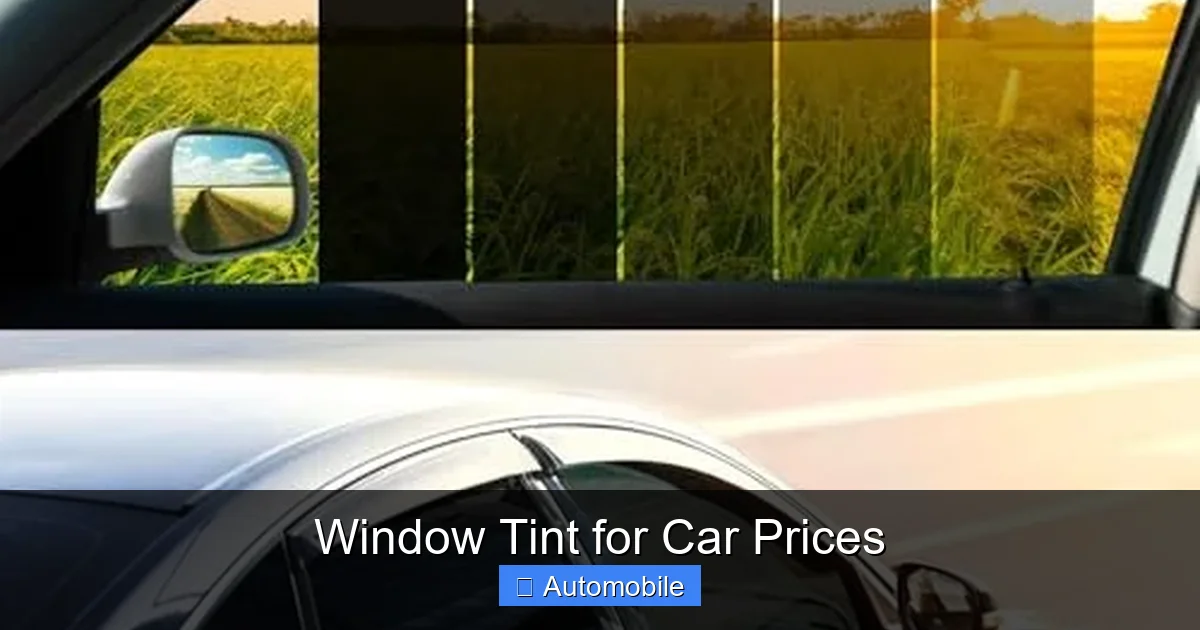
Getting your car windows tinted offers numerous benefits, from enhanced privacy and UV protection to a cooler interior and stylish appearance. Understanding window tint for car prices involves considering various factors like film type, the number of windows, vehicle size, and whether you opt for DIY or professional installation. While costs can vary widely, knowing these elements empowers you to make an informed decision and find the perfect tint solution for your budget.
Window Tint for Car Prices
Ever found yourself squinting through your car windows on a sunny day, wishing for a bit more shade? Or perhaps you’ve longed for a little extra privacy while stuck in traffic? Car window tinting isn’t just about making your vehicle look sleek and cool; it offers a whole host of practical benefits, from reducing glare and blocking harmful UV rays to keeping your car’s interior cooler and more private. It’s an upgrade that many car owners consider, but often, the first question that pops into mind is: “How much does it cost?”
Navigating the world of window tint for car prices can feel a bit like sifting through a maze. There isn’t a single, straightforward answer because the cost can vary wildly depending on several key factors. From the type of film you choose to where you live and who installs it, everything plays a role in the final bill. But don’t worry, we’re here to break it all down for you, making the pricing structure as clear as a perfectly tinted window.
In this comprehensive guide, we’ll dive deep into everything you need to know about window tint for car prices. We’ll explore the different types of tint films available, discuss the pros and cons of DIY versus professional installation, outline the various factors that influence the final cost, and even provide some practical tips to help you get the best value for your money. By the end of this article, you’ll be well-equipped to make an informed decision and confidently choose the right window tint for your beloved ride.
Key Takeaways
- Factors Affecting Price: Window tint for car prices are primarily influenced by the type of film chosen (e.g., dyed, carbon, ceramic), the number and size of windows being tinted, the vehicle’s make and model, and the installer’s reputation and location.
- Film Types and Costs: Basic dyed films are the most affordable, while advanced ceramic and crystalline tints offer superior heat rejection and UV protection at a higher price point, significantly impacting the overall cost.
- DIY vs. Professional: Doing it yourself can save on labor costs, but professional installation offers precision, warranty, and quality, often justifying the higher price due to expertise and specialized tools.
- Average Price Range: A full car tint typically ranges from $150 for basic dyed film up to $600-$800+ for premium ceramic tints, with individual window costs being lower.
- Value Beyond Price: Beyond the initial cost, consider the long-term benefits like interior protection, fuel efficiency due to reduced AC use, increased comfort, and resale value when evaluating window tint for car prices.
- Legal Compliance: Always check local Vehicle Light Transmission (VLT) laws before tinting, as non-compliance can lead to fines and the need for re-tinting, adding unexpected costs.
Quick Answers to Common Questions
How much does it cost to tint car windows typically?
The cost to tint car windows typically ranges from $150 for basic dyed film on a full car to $600-$800+ for premium ceramic or crystalline film, depending on the vehicle size and installer.
What is the cheapest type of window tint?
Dyed film is the cheapest type of window tint. It provides basic privacy and glare reduction but offers minimal heat rejection and can fade over time.
Why are ceramic tints more expensive?
Ceramic tints are more expensive because they use advanced technology with ceramic particles to block a high percentage of UV and infrared (heat) rays without interfering with electronic signals, offering superior performance and durability.
Does tinting all windows cost more than just the sides and back?
Yes, tinting all windows, especially including the windshield (even with a light, clear film), will typically cost more than just tinting the side and rear windows due to increased material and labor.
How long does professional window tinting take?
Professional window tinting for a full car usually takes between 2 to 4 hours, though more complex vehicles or specific film types might require a bit more time.
📑 Table of Contents
What Influences Window Tint for Car Prices?
When you start looking into getting your car windows tinted, you’ll quickly realize that the price isn’t fixed. Instead, it’s a dynamic figure shaped by several important variables. Understanding these factors is the first step to accurately estimating the window tint for car prices you can expect.
Type of Window Tint Film
This is arguably the biggest determinant of cost. Window tint films come in various materials and technologies, each offering different levels of performance, durability, and, of course, price.
- Dyed Film: This is the most basic and affordable option. Dyed films are made by adding dye to a layer of polyester. They provide privacy and some glare reduction but offer minimal heat rejection and can fade over time, sometimes turning purple.
- Metallized Film: These films incorporate tiny metal particles to reflect heat and UV rays. They offer better performance than dyed films in terms of heat rejection and durability but can interfere with GPS, radio, and cell phone signals.
- Carbon Film: Carbon films use carbon particles embedded in the film. They offer a non-reflective, matte finish, excellent heat rejection, and don’t interfere with electronics. They also resist fading better than dyed films.
- Ceramic Film: Considered a premium option, ceramic films contain microscopic ceramic particles that are non-metallic and non-conductive. They block up to 99% of UV rays and reject a significant amount of infrared (IR) heat without interfering with electronic signals. They are highly durable, resistant to fading, and offer superior clarity. This is where you’ll see a jump in window tint for car prices.
- Crystalline (IR) Film: Often a sub-category of ceramic, these films are designed to be nearly invisible while offering maximum heat rejection and UV protection. They are perfect for those who want the benefits of tint without the dark look, often used on windshields where very light VLT is required. These are typically the most expensive.
Number and Size of Windows
It’s logical that tinting more windows will cost more. A two-door coupe with smaller windows will generally be cheaper to tint than a large SUV with many expansive windows. The windshield is often an add-on and can be more expensive due to its size and the precision required for installation. Some installers might offer a flat rate for a full car (excluding the windshield), while others price per window.
Vehicle Make and Model
The complexity of your car’s windows plays a significant role. Some vehicles have curved windows, tricky seals, or embedded antennas that make installation more challenging and time-consuming. Luxury cars or vehicles with unique window shapes might incur higher labor costs. For example, a Tesla Model 3’s large, complex rear window often requires a specialized and more expensive installation process.
Installer’s Experience and Location
A highly reputable shop with experienced technicians will generally charge more than a new or less established business. You’re paying for their expertise, precision, warranty, and quality of work. Similarly, window tint for car prices can vary geographically. Shops in major metropolitan areas or regions with a higher cost of living typically charge more than those in smaller towns.
Comparing DIY vs. Professional Window Tinting Costs
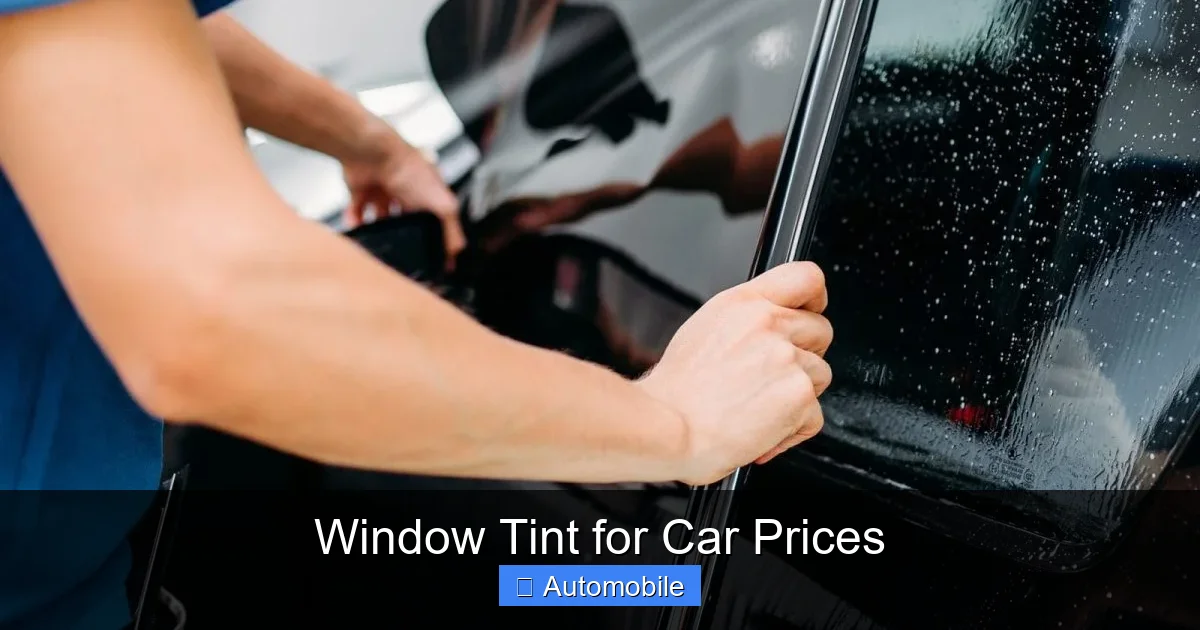
Visual guide about Window Tint for Car Prices
Image source: abodewindowfilms.co.uk
When faced with the prospect of window tint for car prices, many wonder if they can save money by doing it themselves. It’s a valid question, but the answer isn’t always straightforward.
DIY Window Tinting
Opting for a DIY tint job can drastically reduce your initial outlay. Tint film kits are readily available online or at auto parts stores, with prices ranging from as little as $30 to $100 for a full car kit, depending on the film quality and number of windows. You’ll also need some basic tools like a utility knife, squeegee, spray bottle, and heat gun, which might add another $20-$50 if you don’t already own them.
However, the cost savings often come with significant trade-offs:
- Skill Required: Applying tint film smoothly, without bubbles, creases, or dust trapped underneath, requires considerable skill and patience. Achieving a professional finish is challenging for beginners.
- Time Investment: A DIY tint job can take several hours, sometimes an entire weekend, especially if you’re aiming for perfection or need to re-do a window.
- Risk of Mistakes: Bubbles, peeling, misaligned film, or even damaging your window seals are common DIY pitfalls. A botched job might lead to needing professional correction or re-tinting, negating any initial savings.
- Lack of Warranty: Most DIY films come with limited or no warranty, whereas professional installations often include a lifetime warranty on both the film and labor.
- Quality of Film: DIY kits often use lower-quality dyed films that may fade, bubble, or peel faster than professional-grade films.
Professional Window Tinting
While professional installation will always be more expensive upfront, it comes with a wealth of benefits that often justify the higher window tint for car prices.
Benefits of Professional Installation:
- Expertise and Precision: Trained technicians have the experience, tools, and controlled environment (dust-free bays) to apply tint flawlessly.
- High-Quality Film: Professionals use high-grade, durable films from reputable manufacturers that aren’t typically available to consumers.
- Warranty: Most professional shops offer a warranty on both the film and the installation, covering bubbling, peeling, or fading for many years, often for the lifetime of the vehicle.
- Time-Saving: A full car tint by professionals can often be completed in 2-4 hours, allowing you to get on with your day.
- Legal Compliance: Reputable installers are knowledgeable about local tint laws (VLT percentages) and can ensure your vehicle complies, preventing future fines.
Considering the potential for errors, the superior quality of film, and the peace of mind offered by a warranty, professional installation is often the recommended route for most car owners, despite the higher initial window tint for car prices.
Average Window Tint for Car Prices Breakdown
Let’s talk numbers. While exact costs will vary, here’s a general breakdown of what you can expect when looking at window tint for car prices, based on film type and the extent of the job.
Price Ranges by Film Type (Full Car – Sedan/Coupe)
- Dyed Film: Expect to pay anywhere from $150 to $250 for a full car. This is your most budget-friendly option.
- Metallized Film: Prices typically range from $200 to $350 for a full car. It’s a good step up from dyed film in terms of performance.
- Carbon Film: For carbon tint, you’re usually looking at $300 to $500 for a full car. This offers a great balance of performance and aesthetics.
- Ceramic Film: This is where the window tint for car prices starts to climb. A full ceramic tint can cost between $400 and $700, sometimes more for larger vehicles or premium brands.
- Crystalline (IR) Film: The top-tier option, crystalline tint often starts around $600 and can go upwards of $800 to $1000 for a full car, especially if including the windshield.
Individual Window Costs
Some shops might charge per window, which can be useful if you only need a specific window replaced or tinted.
- Side Windows (Dyed/Metallized): $30-$70 per window.
- Side Windows (Carbon/Ceramic): $70-$120 per window.
- Rear Window (Dyed/Metallized): $50-$100.
- Rear Window (Carbon/Ceramic): $100-$200+.
- Windshield Strip: Often $30-$50.
- Full Windshield (Light Ceramic/Crystalline): Can range from $150 to $300+ due to its size, curvature, and the high-performance film typically used.
Remember, these are average estimates. Factors like your geographic location, the specific vehicle, and the installer’s reputation can push these numbers higher or lower. Always get a detailed quote from a few different reputable shops.
Additional Factors and Tips for Saving Money
Beyond the core elements, a few other things can influence your final window tint for car prices or help you save a few bucks.
Geographic Location and Competition
As mentioned, major cities generally have higher labor costs, which translates to higher tinting prices. However, a highly competitive market with many tint shops might lead to more aggressive pricing. It’s always a good idea to research and get quotes from a few different installers in your area.
Vehicle Size and Complexity
Tinting a compact car like a Honda Civic will almost always be cheaper than tinting a large SUV like a Chevrolet Suburban or a minivan. More glass surface area and more complex curves mean more material and more labor. Similarly, vehicles with many small, intricate windows can sometimes be more challenging (and thus pricier) than those with fewer, larger windows.
Preparation and Cleaning
While most professional shops include basic cleaning as part of the service, if your car’s windows are exceptionally dirty, or if you have old, peeling tint that needs to be removed first, expect an additional charge. Removing old tint can be a tedious process and might cost $50-$150 or more depending on the condition and adhesive residue.
Warranties and After-Sales Service
A good warranty might seem like an added cost, but it’s invaluable. A lifetime warranty against bubbling, peeling, and fading on both film and labor is a strong indicator of a quality installer and high-grade film. Don’t just look at the upfront window tint for car prices; consider the long-term value and protection.
Tips for Saving Money (Smartly):
- Shop Around: Get at least 3-5 quotes from different reputable shops. Compare not just prices but also film types offered, warranty details, and reviews.
- Consider a Mid-Range Film: If ceramic is out of budget, carbon film often provides excellent heat rejection and durability at a more affordable price point.
- Limit Tinted Windows: If budget is very tight, consider only tinting the side and rear windows initially, or focus on the most exposed windows.
- Ask for Specials: Some shops offer seasonal discounts or package deals. It never hurts to ask!
- Maintain Your Tint: Proper cleaning and care of your tinted windows (using ammonia-free cleaners and soft cloths) will extend their life and prevent premature wear, saving you money on future replacements.
Legal Considerations and VLT Laws
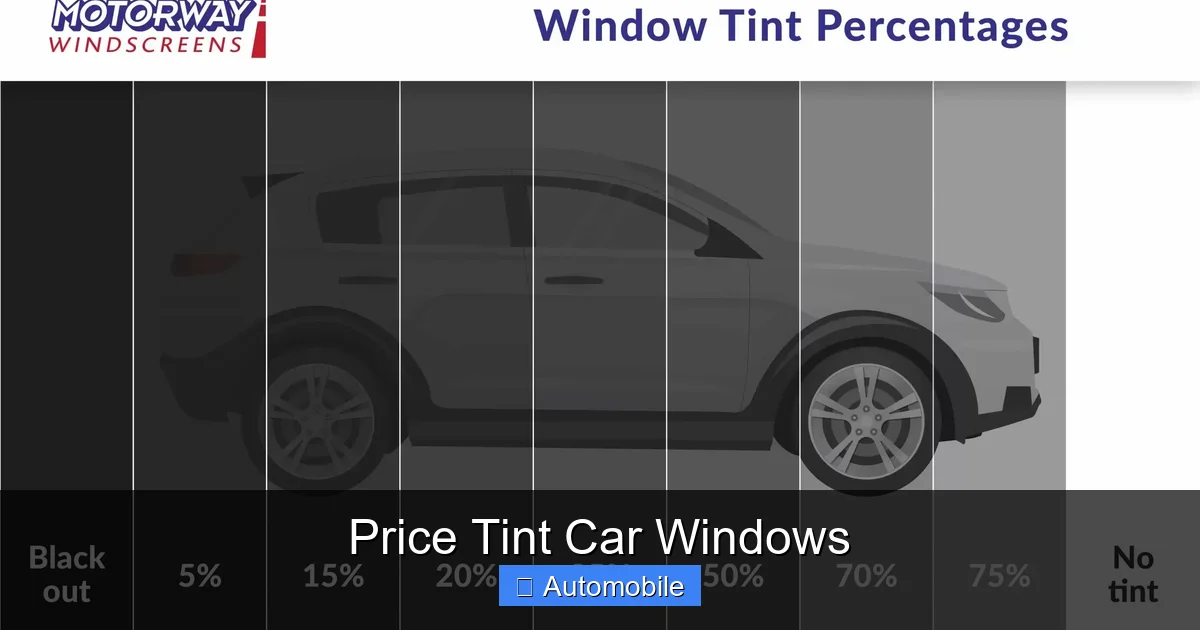
Before you even start thinking about window tint for car prices, you absolutely must check your local and state laws regarding Vehicle Light Transmission (VLT). VLT refers to the percentage of visible light that passes through your car’s window. A lower VLT percentage means a darker tint.
Why VLT Matters:
- Safety: Laws are in place for safety reasons, ensuring drivers have adequate visibility and law enforcement can see into vehicles.
- Fines and Removal: Non-compliant tint can lead to hefty fines, points on your license, and the requirement to remove the tint, which means additional costs for removal and potential re-tinting.
- Insurance Implications: In some cases, illegal modifications could potentially affect insurance claims, although this is less common for tint.
VLT laws vary significantly by state and even by window. For example, some states allow very dark tint on rear windows but require much lighter tint (e.g., 50% or 70% VLT) on front side windows, and often no tint on the windshield (except for a top strip). Always confirm the specific VLT limits for your vehicle type and all windows in your region. A reputable professional installer will be familiar with these laws and guide you, helping you avoid legal troubles and wasted money.
Is Window Tinting Worth the Price?
After exploring all the nuances of window tint for car prices, the big question remains: Is it a worthwhile investment? For many, the answer is a resounding yes.
Benefits that Justify the Cost:
- Enhanced Comfort: Reduced heat buildup means a cooler interior, especially on scorching summer days. Less glare makes driving more comfortable and safer.
- UV Protection: High-quality tints block up to 99% of harmful UV-A and UV-B rays, protecting your skin from sun damage and preventing your car’s interior (dash, seats, carpets) from fading, cracking, and deteriorating. This extends the life and maintains the resale value of your vehicle.
- Privacy and Security: Tinted windows deter smash-and-grab thieves by making it harder to see valuables inside your car. They also provide personal privacy for you and your passengers.
- Improved Aesthetics: Let’s be honest, a good tint just looks good. It gives your car a more refined, custom, and often sportier appearance.
- Energy Efficiency: By reducing solar heat gain, your car’s air conditioning system doesn’t have to work as hard, potentially leading to slight improvements in fuel efficiency.
- Shatter Resistance: In the event of an accident, window film can help hold shattered glass together, preventing dangerous shards from flying into the cabin.
When you weigh these long-term benefits against the initial window tint for car prices, the investment often makes sense. It’s not just about spending money; it’s about upgrading your driving experience, protecting your health, preserving your car’s interior, and adding a touch of personal style.
In conclusion, understanding window tint for car prices involves recognizing the interplay of film types, installation complexities, and professional expertise. While the upfront cost for a professional job might seem significant, the lasting benefits of comfort, protection, and aesthetics often far outweigh the initial investment. Do your research, get multiple quotes, and choose wisely to enjoy all the advantages of beautifully tinted windows for years to come.
🎥 Related Video: 20% window tint too dark or not dark enough? Installing nano ceramic window tints all around!
📺 Tint God
Frequently Asked Questions
What factors primarily affect window tint for car prices?
The main factors influencing window tint for car prices are the type of film used (e.g., dyed, carbon, ceramic), the number and size of windows being tinted, the specific make and model of the vehicle, and the labor rates of the installer, which can vary by location and reputation.
Is it worth paying more for ceramic window tint?
Many car owners find ceramic window tint worth the higher price because it offers superior heat rejection, excellent UV protection (blocking up to 99% of UV rays), does not interfere with electronics, and provides long-lasting durability and color stability compared to other film types.
Can I get my car windows tinted legally everywhere?
No, window tinting laws, particularly regarding the visible light transmission (VLT) percentage, vary significantly by state and even by window in the United States. Always check your local and state regulations to ensure your tint complies with the law and avoid potential fines or the need for re-tinting.
What are the benefits of getting car window tint?
Car window tint offers numerous benefits, including reducing interior heat, blocking harmful UV rays that protect your skin and car’s interior, increasing privacy and security by deterring theft, reducing glare for safer driving, and enhancing the overall aesthetic appeal of your vehicle.
Does removing old window tint add to the overall cost?
Yes, if your car currently has old, peeling, or damaged window tint that needs to be removed before new film can be applied, most shops will charge an additional fee for this service. The cost depends on the condition of the old tint and the difficulty of removal.
How can I ensure I get a good deal on window tint for car prices?
To ensure you get a good deal, it’s recommended to obtain quotes from at least 3-5 different reputable tint shops in your area, compare the types of film they offer and their warranties, and inquire about any current promotions or package deals. Focusing on value and quality over just the lowest price is key.