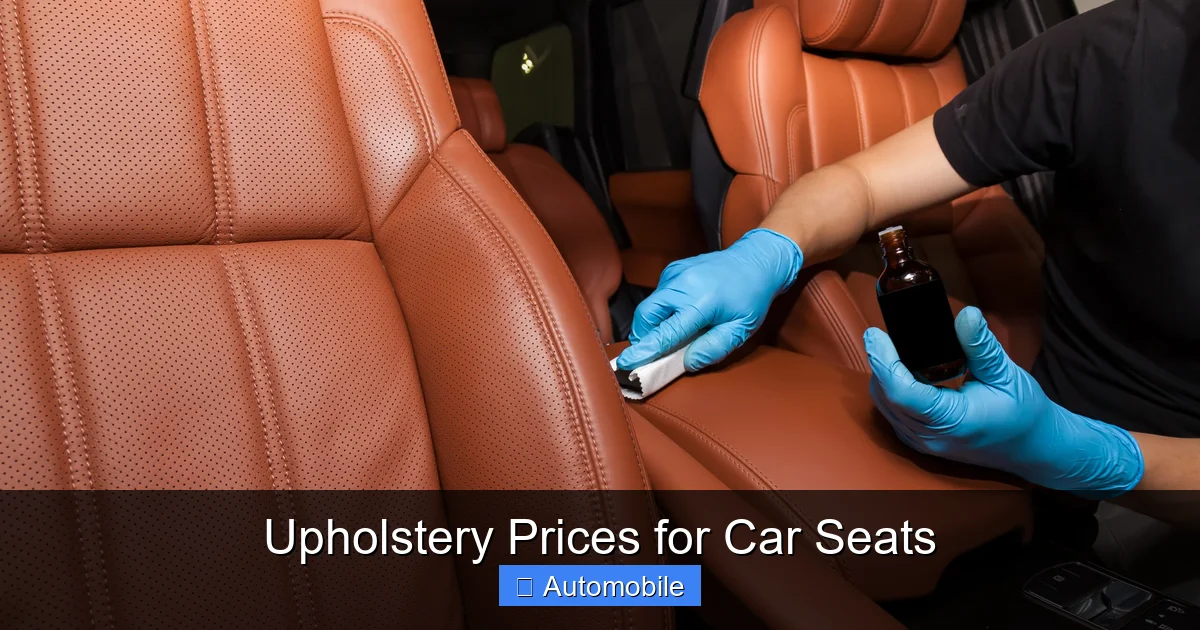
Understanding upholstery prices for car seats can feel like a maze, but it’s crucial for budgeting your car’s interior refresh. Costs vary widely based on material choice, vehicle type, labor complexity, and customization. This guide breaks down all the factors, helping you make informed decisions whether you’re fixing a small tear or completely revamping your ride.
Ever slide into your car only to notice that familiar tear in the seat, or perhaps the once-vibrant fabric now looks faded and worn? Our car seats take a lot of abuse over the years, enduring countless commutes, spilled coffees, pet adventures, and the relentless sun. Eventually, even the toughest upholstery gives way, leaving you with a decision: live with it, buy new seat covers, or invest in professional re-upholstery?
If you’re leaning towards bringing your car’s interior back to life, understanding upholstery prices for car seats is your first crucial step. It’s not always a straightforward answer because costs can swing wildly. Factors like the type of material, the extent of the damage, the complexity of your car’s seats, and even where you live all play a significant role. But don’t worry, we’re here to demystify the process and help you navigate the world of car seat upholstery, ensuring you get the best value for your money.
This comprehensive guide will walk you through everything you need to know about upholstery prices for car seats. We’ll break down the elements that influence cost, explore different material options, discuss what goes into the labor, and offer practical tips for getting accurate quotes and making smart choices. By the end, you’ll feel confident in tackling your car seat renovation project, ready to enjoy a refreshed and comfortable ride once again.
Key Takeaways
- Cost Variability: Upholstery prices for car seats are highly variable, ranging from a few hundred to several thousand dollars, depending on numerous factors.
- Material is King: The choice of material (fabric, vinyl, synthetic leather, genuine leather, Alcantara) is the most significant driver of cost, with genuine leather and exotic materials being the priciest.
- Labor and Complexity: The extent of damage, the design of the seat, and the difficulty of installation directly impact labor costs, which form a substantial part of the total price.
- Vehicle Type Matters: Larger vehicles with more complex seats (e.g., heated, ventilated, power-adjustable) or luxury/classic cars often incur higher upholstery prices for car seats.
- DIY vs. Professional: While DIY can save money, professional services offer superior quality, durability, and a warranty, often justifying the higher initial outlay for significant repairs or full overhauls.
- Getting Quotes is Crucial: Always obtain multiple detailed quotes from reputable shops, clarifying what’s included and asking about material options to ensure transparency and find the best value.
Quick Answers to Common Questions
How long does car seat re-upholstery usually take?
The time frame can vary significantly based on the scope of work. A single panel repair might take a few hours to a day, while a full set of seats could take 3-5 business days or even longer for complex custom jobs.
Can I choose any color or pattern for my car seats?
Absolutely! Professional upholsterers offer a wide range of colors, patterns, and stitching options. You can often customize your car seats to perfectly match your personal style or vehicle’s interior.
Is it worth re-upholstering old car seats?
Yes, especially if your car is mechanically sound and you plan to keep it for a long time. Re-upholstery significantly enhances comfort, aesthetics, and can boost the car’s resale value, making it a worthwhile investment.
Do upholstery prices for car seats include foam repair?
Often, basic foam inspection and minor repairs are included in a full re-upholstery quote. However, significant foam replacement or custom contouring might be an additional cost, so always clarify this when getting your quote.
How can I protect my new car seat upholstery?
Regular cleaning, using appropriate protectants (especially for leather), and avoiding prolonged exposure to direct sunlight (e.g., using sunshades) are excellent ways to extend the life and look of your new car seat upholstery.
📑 Table of Contents
What Factors Influence Upholstery Prices for Car Seats?
When you start researching upholstery prices for car seats, you’ll quickly discover there’s no single price tag. Several key factors converge to determine the final cost. Think of it like building a custom outfit; the fabric, the intricacy of the design, and the tailor’s expertise all contribute to the price. Car seat upholstery is much the same.
Material Choice: The Biggest Cost Driver
This is arguably the most significant factor. The material you choose for your car seats will have the most substantial impact on upholstery prices for car seats. You have a spectrum of options, each with its own price point, durability, and aesthetic appeal.
- Fabric/Cloth: Generally the most affordable option. It’s comfortable, breathable, and comes in a wide range of colors and patterns. However, it can stain more easily and may not be as durable as other materials.
- Vinyl: A popular choice for its durability and ease of cleaning. It’s waterproof and highly resistant to wear and tear. Vinyl sits in the mid-range for upholstery prices for car seats, offering a good balance of cost and longevity.
- Synthetic Leather (e.g., Pleather, Leatherette): Offers the look and feel of genuine leather without the high price tag. It’s often more durable and easier to maintain than real leather, making it a fantastic value option.
- Genuine Leather: The premium choice. Leather is luxurious, durable, and develops a beautiful patina over time. It’s the most expensive option, significantly driving up upholstery prices for car seats, but it also adds considerable value and elegance to your car’s interior.
- Alcantara/Suede: A high-end synthetic material with a soft, suede-like feel. It’s often found in luxury and performance vehicles. Alcantara is durable and resistant to wear but can be challenging to clean and comes with a higher price point, similar to or even exceeding some genuine leathers.
Vehicle Make, Model, and Year
The type of car you drive also influences upholstery prices for car seats. A small two-door coupe with simple bucket seats will generally be less expensive to re-upholster than a large SUV with multiple rows of complex, power-adjustable seats.
- Complexity of Seats: Seats with integrated airbags, heating elements, ventilation systems, power adjustments, or intricate stitching patterns require more time and specialized skill to disassemble, re-upholster, and reassemble correctly. This directly translates to higher labor costs.
- Luxury vs. Economy: Luxury vehicles often have more complex seat designs and may require higher-grade materials to match the car’s original aesthetic, leading to higher upholstery prices for car seats. Classic cars might also require custom fabrication or period-correct materials, adding to the expense.
Extent of Damage and Scope of Work
Are you fixing a small tear, replacing a single seat panel, or completely re-doing all the seats in your vehicle? The scope of work is a major factor.
- Minor Repair: A small tear or burn hole might be patched or repaired without needing a full panel replacement, keeping costs low.
- Panel Replacement: If a specific section of a seat is heavily damaged, a skilled upholsterer can often replace just that section, matching the existing material.
- Full Seat Re-upholstery: This involves stripping down the entire seat to its frame, inspecting and repairing foam padding and springs, and then applying all-new material. This is the most labor-intensive and expensive option, naturally leading to the highest upholstery prices for car seats.
- Complete Interior Overhaul: If you’re doing all seats, door panels, headliner, and other interior trim, the cost will be significantly higher due to the sheer volume of work and materials.
Labor Costs and Customization
The skill and time an upholsterer dedicates to your project are significant components of the overall cost. Experienced professionals command higher rates, but their quality of work often justifies the expense.
- Standard vs. Custom Design: A standard factory-matching re-upholstery will be less expensive than a custom design involving unique stitching patterns, multi-color panels, embroidery, or special foam contours. Custom work is highly specialized and will push upholstery prices for car seats upward.
- Geographic Location: Labor rates vary by region. Shops in major metropolitan areas or areas with a higher cost of living generally charge more than those in rural areas.
Breaking Down the Upholstery Process: What You’re Paying For
Understanding the steps involved in re-upholstering a car seat can help you appreciate why upholstery prices for car seats are what they are. It’s a meticulous craft that requires precision and expertise.
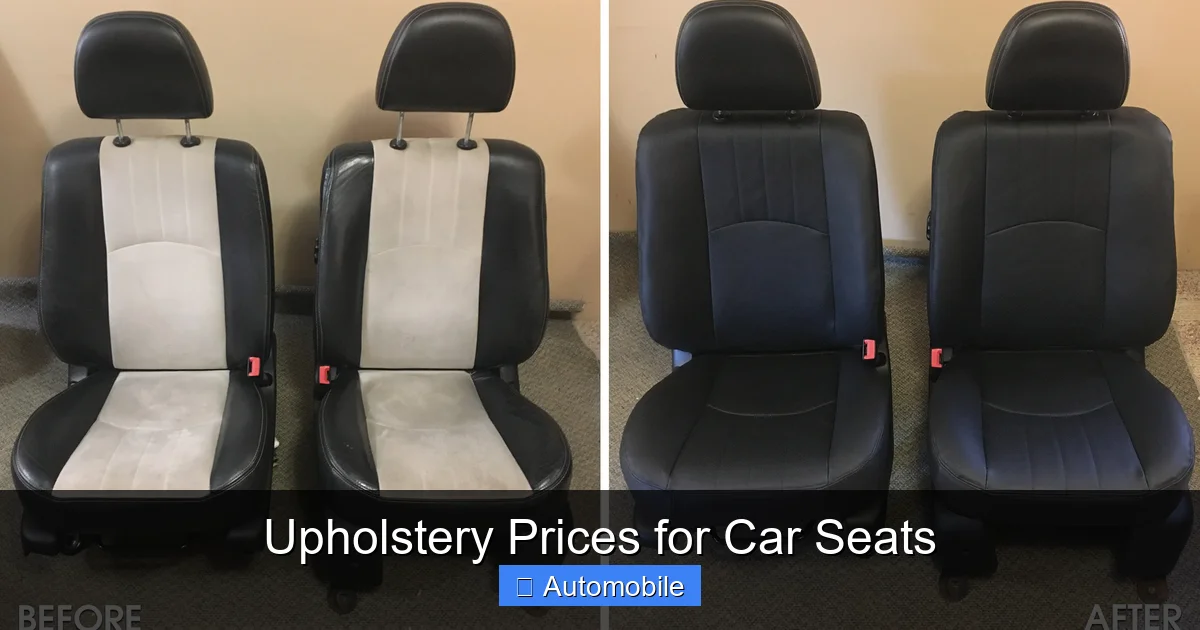
Visual guide about Upholstery Prices for Car Seats
Image source: stevescustomupholstery.com
Disassembly and Inspection
The process begins with carefully removing the seats from the vehicle and then disassembling them. This often involves intricate clips, fasteners, and sometimes electrical connections for features like airbags, heaters, and power adjustments. The old upholstery is stripped away, and the underlying foam, springs, and frame are inspected for damage. Any necessary repairs to these components are crucial for the longevity and comfort of the new upholstery.
Pattern Making and Cutting
If the original pattern is too damaged or if a custom design is requested, the upholsterer will carefully create new patterns. These patterns are then used to precisely cut the new chosen material. This step is critical; even a slight miscalculation can lead to ill-fitting upholstery or wasted material.
Sewing and Assembly
The cut pieces of new material are then expertly sewn together. This requires specialized industrial sewing machines and a high level of skill to ensure strong, even seams and a professional finish. If there are custom elements like piping, topstitching, or embroidered logos, these are integrated at this stage. Once the cover is sewn, it’s meticulously stretched and fitted over the seat foam and frame, often with the use of steam and specialized tools to ensure a tight, wrinkle-free finish. This is where the artistry of car seat upholstery truly shines, and it directly influences the final look and feel.
Reinstallation and Detailing
Finally, the re-upholstered seats are carefully reinstalled into your vehicle, ensuring all electrical connections and safety features are properly reconnected. A final detailing ensures the seats look pristine, ready for you to enjoy. All these steps contribute to the overall upholstery prices for car seats, reflecting the labor, skill, and materials involved.
Typical Upholstery Prices for Car Seats by Material and Scope
While exact figures can vary, here’s a general range to give you an idea of upholstery prices for car seats based on common scenarios:
Single Seat Repair/Panel Replacement
- Fabric/Vinyl: $150 – $400 per seat. This usually covers a small tear repair or replacing a single worn section.
- Synthetic Leather: $200 – $500 per seat. Similar to vinyl, but slightly higher for the material cost.
- Genuine Leather: $300 – $800+ per seat. Leather repairs are more complex and require specific dyes and techniques to blend seamlessly.
Full Re-upholstery for Two Front Seats
This involves stripping down both front seats and replacing all the material. These upholstery prices for car seats reflect both material and significant labor.
- Fabric/Vinyl: $500 – $1,200. A popular choice for restoring comfort and aesthetics without breaking the bank.
- Synthetic Leather: $800 – $1,800. Offers a premium look and feel at a more accessible price point than real leather.
- Genuine Leather: $1,500 – $3,500+. The top-tier option, known for its durability, luxury, and lasting value. Prices can go even higher for exotic leathers or custom designs.
- Alcantara/Suede: $1,800 – $4,000+. Often seen in performance cars, these materials come with a premium cost due to material expense and specialized handling.
Full Interior Re-upholstery (All Seats, Door Panels, Headliner)
This is the most comprehensive and expensive option, transforming your entire car interior. These upholstery prices for car seats (and other elements) are for a complete overhaul.
- Fabric/Vinyl: $1,500 – $3,500+. A great way to completely refresh an older vehicle.
- Synthetic Leather: $2,500 – $5,000+. Provides a significant upgrade in feel and appearance.
- Genuine Leather: $4,000 – $10,000+. This range varies massively depending on the type of leather, the number of seats, vehicle size, and level of customization. For high-end luxury vehicles or very intricate custom work, it can exceed $10,000.
Remember, these are rough estimates. Always get detailed quotes from several reputable shops in your area to understand the exact upholstery prices for car seats for your specific vehicle and desired materials.
DIY vs. Professional Upholstery: Weighing Your Options
When considering upholstery prices for car seats, you might be tempted to try a DIY approach. It can indeed save you money on labor, but it comes with its own set of challenges and potential pitfalls.
The DIY Route
If you’re handy, have access to upholstery tools (sewing machine, hog ring pliers, staples guns, etc.), and are willing to invest a significant amount of time, tackling car seat upholstery yourself can be rewarding. You’ll primarily pay for materials, which can be significantly less than professional services. However, be aware of:
- Skill Requirement: Upholstery is a learned skill. Getting tight, wrinkle-free results, especially on complex contoured seats, is challenging.
- Time Commitment: This is not a quick weekend project. Disassembly, pattern making, cutting, sewing, and reassembly can take many hours, if not days, for even one seat.
- Specialized Tools: You’ll need specific tools that might be an initial investment if you don’t already own them.
- Quality and Durability: DIY results may not match the durability or aesthetic quality of professional work, potentially leading to quicker wear or an unsatisfactory finish.
Hiring a Professional
For most people, especially for full seat re-upholstery or if you want a guaranteed high-quality finish, hiring a professional is the way to go. While the upholstery prices for car seats will be higher, you benefit from:
- Expertise and Experience: Professionals have the skills, tools, and experience to handle complex seat designs and materials.
- Guaranteed Quality: Reputable shops stand behind their work with warranties on both labor and materials.
- Time Savings: You save yourself the immense time and effort involved in a DIY project.
- Material Sourcing: Professionals often have access to a wider range of high-quality automotive-grade materials at better prices than individuals might.
For minor, simple repairs like patching a small tear on a flat surface, DIY might be feasible. But for anything more extensive, especially involving complex stitching, curved surfaces, or safety features, professional assistance is highly recommended to ensure proper function and a lasting, beautiful result.
Tips for Getting Accurate Quotes and Saving Money
Navigating upholstery prices for car seats can be daunting, but with a few smart strategies, you can get the best value.
1. Get Multiple Detailed Quotes
Don’t settle for the first quote you receive. Contact at least 3-5 reputable upholstery shops. Be sure to provide them with clear, consistent information:
- Your car’s make, model, and year.
- Which seats you want re-upholstered (e.g., driver’s only, front two, all seats).
- The exact material type you’re interested in (e.g., “black synthetic leather,” “light grey fabric”).
- Any specific damage to the current seats (e.g., “tear on driver’s bolster,” “sun damage on rear bench”).
Ask for a written quote that clearly itemizes material costs, labor, and any additional fees. This helps you compare “apples to apples” when looking at upholstery prices for car seats.
2. Be Specific About Materials
If you’re flexible on materials, ask for quotes on a few different options (e.g., vinyl vs. synthetic leather). Sometimes, the cost difference isn’t as huge as you might think, and a slight upgrade could be worth it for durability or aesthetics. Discuss the pros and cons of each material with the upholsterer.
3. Consider the Extent of Repair
Do all your seats truly need a full re-upholstery? Sometimes, just replacing a single worn panel, especially on the driver’s seat, can significantly improve the look and comfort of your car for a fraction of the cost. Discuss partial repair options with your upholsterer to manage upholstery prices for car seats effectively.
4. Ask About Any Hidden Costs
Ensure the quote includes everything: removal, foam repair (if needed), material, labor, and reinstallation. Ask about potential extra charges for unexpected issues found during disassembly, though reputable shops usually give you a heads-up if this might occur.
5. Look for Shops Specializing in Automotive Upholstery
While a general upholsterer might offer car seat services, shops that specialize in automotive work are often better equipped and more experienced with the specific challenges of car seats, including safety features and contoured designs. Their expertise can lead to better results and, sometimes, more efficient work, impacting the overall upholstery prices for car seats favorably.
6. Don’t Always Go for the Absolute Cheapest
While saving money is good, be wary of quotes that seem significantly lower than others. This could indicate lower quality materials, less experienced labor, or hidden costs. Remember, good car seat upholstery is an investment in your car’s comfort, value, and appearance. Balancing cost with quality is key.
7. Maintain Your New Upholstery
Once you’ve invested in new upholstery, proper care is essential to prolong its life. Regularly vacuum fabric seats, and clean leather/vinyl with appropriate cleaners and conditioners. Protecting your seats from direct sunlight with window tint or sunshades can also prevent premature fading and cracking, saving you from future upholstery prices for car seats.
Conclusion
Understanding upholstery prices for car seats doesn’t have to be a mystery. By recognizing the key factors like material choice, vehicle complexity, and the scope of work, you can approach the process with confidence. Whether you’re looking for a simple repair or a full interior transformation, investing in quality upholstery not only enhances the comfort and aesthetics of your vehicle but can also significantly increase its resale value.
Remember to gather multiple detailed quotes, be clear about your expectations, and don’t shy away from asking questions. A refreshed car interior can make every drive feel like a new experience, and with the right information, you can achieve that perfect look and feel without any unpleasant surprises regarding upholstery prices for car seats. Drive comfortably, drive in style!
🎥 Related Video: INNOVA LEATHER SEATS INSTALLATION
📺 NW Upholstery
New Wineskin Upholstery caters all interior upholstery needs like leather seatscover, seat customization, ceiling and carpet …
Frequently Asked Questions
How much does it cost to re-upholster just one car seat?
Re-upholstering a single car seat can range from $150 for a minor fabric patch to $800 or more for a full leather replacement, depending on the material, complexity, and specific damage. It’s usually more cost-effective to repair a single damaged panel rather than a complete overhaul unless the entire seat is severely worn.
Are leather car seats always more expensive to re-upholster than fabric?
Generally, yes. Genuine leather is a premium material, and its acquisition cost, along with the specialized skills and tools required for working with it, makes upholstery prices for car seats significantly higher than for fabric or vinyl. However, synthetic leather can offer a good middle-ground in terms of cost and aesthetics.
What’s the difference between automotive upholstery and general upholstery?
Automotive upholstery specializes in vehicle interiors, dealing with specific challenges like seat ergonomics, safety features (airbags), precise fitment, and the use of automotive-grade materials designed for durability and resistance to temperature extremes and UV light. General upholsterers might handle furniture, which has different requirements.
Can I get heated or cooled seats added during re-upholstery?
Yes, many professional automotive upholstery shops can integrate heating and even cooling elements into your seats during the re-upholstery process. This will add to the overall upholstery prices for car seats but can significantly enhance your comfort and the value of your vehicle.
How often should I expect to re-upholster my car seats?
With proper care and maintenance, factory car seat upholstery can last anywhere from 10 to 15 years or even longer. However, factors like heavy use, sun exposure, and spills can accelerate wear. Re-upholstering is typically done when seats show significant wear, tears, or a complete change in interior style is desired.
Does re-upholstery affect my car’s airbags if they’re in the seats?
A professional automotive upholsterer is trained to work with seats containing airbags. They will ensure that the new upholstery material and stitching are compliant with safety standards and do not impede airbag deployment. It is crucial to choose an experienced professional for this reason.