Understanding scrap prices for a car is crucial when it’s time to retire your old vehicle. The value is primarily determined by the vehicle’s weight and the current market rates for various metals, but factors like location, condition, and completeness also play a significant role. By knowing how to prepare your car and negotiate, you can ensure you get the best possible payout for your end-of-life vehicle.
Every car owner eventually faces that moment: the beloved vehicle, once a symbol of freedom and reliability, becomes more of a money pit than a mode of transport. Perhaps it’s suffered irreparable damage in an accident, or maybe its engine has finally given up the ghost after years of loyal service. When repairs cost more than the car is worth, and finding a private buyer seems impossible, selling your car for scrap often becomes the most sensible and environmentally responsible option.
But how exactly do you go about it? And, more importantly, what are the typical scrap prices for a car? It’s a common question, and one that often yields a wide range of answers depending on who you ask and what factors are at play. Don’t worry, we’re here to demystify the process and help you understand how to get the best possible payout for your old clunker. Selling your car for scrap doesn’t have to be confusing; with a little knowledge, you can navigate the process confidently.
This comprehensive guide will walk you through everything you need to know about scrap prices for a car, from the core factors that determine its value to practical tips for maximizing your profit. We’ll discuss how to prepare your vehicle, what documentation you’ll need, and what to expect from the various types of buyers. By the end, you’ll feel well-equipped to turn your end-of-life vehicle into cash.
Key Takeaways
- Weight and Metal Market Drive Price: The primary factors determining scrap prices for a car are its total weight and the fluctuating global market rates for steel, aluminum, and other metals. Heavier cars generally fetch more.
- Condition Matters, but Differently: While major damage doesn’t drastically reduce scrap value (as long as it’s still heavy metal), a running engine or easily removable valuable parts can sometimes increase the offer from certain buyers.
- Location Influences Offers: Scrap yards in areas with higher competition, closer to processing facilities, or with greater demand for recycled metals might offer better scrap prices for a car.
- Proper Documentation is Essential: You’ll need the vehicle’s title and a valid ID to legally sell your car for scrap. Ensure all paperwork is in order before contacting buyers.
- Always Get Multiple Quotes: Don’t settle for the first offer. Contact several scrap yards, salvage yards, and junk car buyers to compare bids and get the best scrap prices for a car.
- Consider Removing Valuable Parts: If you have the expertise, removing easily salvageable parts (like a good battery, tires, catalytic converter, or aftermarket accessories) before scrapping can significantly increase your overall profit.
Quick Answers to Common Questions
How much can I expect to get for scrapping my car?
Scrap prices for a car typically range from $100 to $600, but this can vary significantly based on vehicle weight, current metal market prices, and your location. Heavier cars generally fetch more.
Do I need the title to scrap my car?
Yes, almost all legitimate scrap yards and buyers require the vehicle’s title (proof of ownership) and a valid ID to legally purchase your car for scrap.
Will a non-running car get less money for scrap?
For a pure scrap yard, a non-running car often gets a similar price to a running one if its weight is comparable, as they are buying the metal. The main difference might be free towing for non-runners, which is usually factored into the offer.
Should I remove parts before scrapping my car?
You can remove personal items and valuable aftermarket components like stereos or custom wheels to sell separately. However, removing major parts like the engine or transmission significantly reduces the car’s weight, which will lower its scrap value.
How quickly can I get paid for a scrap car?
Most reputable scrap car buyers offer immediate payment, either in cash or by check, at the time of pickup or delivery of the vehicle.
📑 Table of Contents
How Scrap Car Pricing Works: The Core Factors
Understanding what influences scrap prices for a car is the first step toward getting a fair deal. Unlike selling a used car for resale, where aesthetics, mileage, and features play a huge role, scrap value is much more straightforward, primarily driven by the raw materials your car is made of. Here’s a breakdown of the key elements:
Weight is King (Literally!)
For most scrap yards, the heavier your car is, the more it’s worth. This is because scrap metal dealers primarily buy cars based on their weight in tons. They’re interested in the steel, aluminum, and other metals they can extract and sell to recyclers. A heavy-duty SUV or a large sedan will almost always fetch a higher scrap price than a compact hatchback, simply due to the sheer volume of metal it contains. When you call a scrap yard, they’ll often ask for your car’s make, model, and year to get an estimated weight, as this is their primary calculation method for scrap prices for a car.
Current Metal Market Prices
This is arguably the most volatile factor. The scrap value of your car is directly tied to the global commodity markets for steel, aluminum, copper, and other metals. These prices fluctuate daily, sometimes hourly, based on supply and demand, economic conditions, and even geopolitical events. What might be a good scrap price for a car today could be slightly different tomorrow. Scrap yards constantly monitor these markets, adjusting their offers accordingly. There’s not much you can do about market fluctuations, but being aware of them helps you understand why offers might change over time.
Make, Model, and Year
While we just said weight is king, the make, model, and year do matter beyond just determining weight. They help the scrap yard quickly identify the vehicle’s standard weight. More importantly, certain cars might contain more valuable components. For instance, some older luxury cars might have more copper wiring or specific rare metals in their catalytic converters. Newer cars often have more plastic and lighter alloys, which can sometimes reduce their ‘metal’ value compared to older, heavier steel counterparts. These details help scrap yards refine their scrap prices for a car.
Condition of the Vehicle
This is where things get a bit nuanced. For a pure scrap transaction (where the car is destined to be crushed), dents, rust, missing windows, or a non-running engine typically don’t drastically affect the price. The scrap yard is buying the metal. However, if your car still has some functional parts that can be resold (like a good engine, transmission, or tires), a salvage yard might offer a slightly higher price than a pure scrap metal dealer. They see value in salvaging components before crushing the rest. If the car is completely stripped, leaving only a shell, the scrap prices for a car will naturally be lower due to the reduced weight and lack of salvageable parts.
Location, Location, Location
Where you live significantly impacts the scrap prices for a car. If you’re near a major metropolitan area with several scrap yards, competition can drive prices up. Conversely, if you’re in a rural area with limited options, offers might be lower. Transportation costs also play a role; if the scrap yard has to travel a long distance to pick up your vehicle, they’ll factor that expense into their offer. Fuel prices, local demand for recycled materials, and the proximity to steel mills can all influence the final offer for your end-of-life vehicle.
Maximizing Your Car’s Scrap Value
You’ve decided to scrap your car, but you want to ensure you get the best possible scrap prices for a car. Here are some actionable tips to help you maximize your payout:
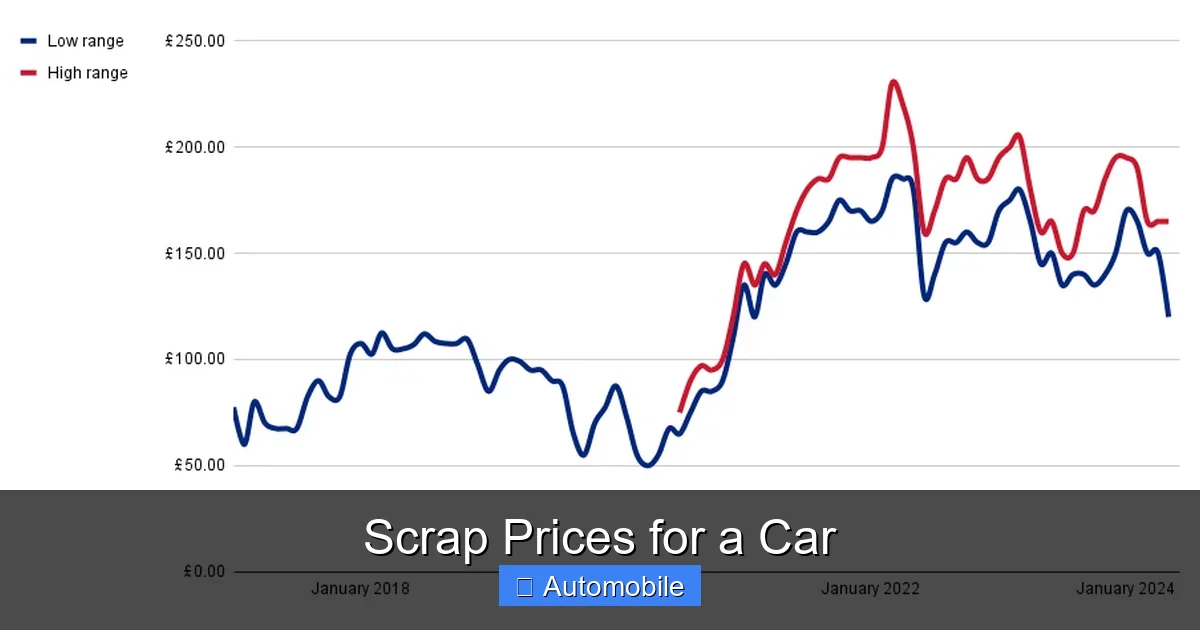
Visual guide about Scrap Prices for a Car
Image source: nationalscrapcar.co.uk
Draining Fluids and Removing Non-Metal Parts
Some scrap yards prefer or even require you to drain all fluids (oil, coolant, brake fluid, gas) before pickup. This is for environmental reasons and can sometimes make the process smoother. However, *do not* remove the engine or transmission unless you are highly experienced, as this significantly reduces the vehicle’s weight and might make it less appealing to some buyers who want to salvage parts. Removing items like the car battery (which you can often sell separately for a small amount) or tires (if they’re in good condition to sell as used) can be beneficial, but again, be aware that removing them reduces the total weight of the car, which is how most scrap prices for a car are calculated.
Removing Valuable Aftermarket Components
Did you install an expensive stereo system, custom wheels, or other aftermarket accessories? Consider removing them before you sell the car for scrap. These items rarely add value to the scrap price but can be sold separately, giving you an additional income stream. Just remember to replace original parts if possible, or leave the vehicle in a state that doesn’t compromise its structural integrity for safe transport.
Getting Multiple Quotes
This is perhaps the most important tip. Never accept the first offer you receive. Contact at least three to five different scrap yards, salvage yards, and junk car removal services. Provide them with the same accurate information about your car (make, model, year, condition, location) and compare their offers. Scrap prices for a car can vary significantly between buyers, sometimes by hundreds of dollars. Many places now offer online quote forms or quick phone quotes, making it easy to shop around.
Having Proper Documentation Ready
Ensure you have the vehicle’s title (proof of ownership) and a valid government-issued ID. Most reputable buyers will require these to legally purchase your vehicle. If you don’t have the title, the process can be more complicated, potentially reducing the scrap price or even making it impossible to sell through legitimate channels. Check your local Department of Motor Vehicles (DMV) or equivalent agency for options if your title is lost.
The Scrap Car Process: What to Expect
Once you’ve done your research and prepared your vehicle, the actual process of selling your car for scrap is usually quite straightforward. Here’s a step-by-step guide:
Researching Buyers (Junk Yards, Salvage Yards, Scrap Metal Dealers)
Start by searching online for “scrap car buyers near me,” “junk car removal,” or “sell my car for cash.” You’ll likely find a mix of businesses:
- Scrap Yards/Metal Recyclers: These are primarily interested in the car for its metal content. They usually base their scrap prices for a car almost entirely on weight.
- Salvage Yards/Auto Wreckers: They might pay a bit more if your car has valuable parts they can resell (e.g., a good engine, body panels, interior components).
- Junk Car Removal Services: These are often middlemen who buy your car and then sell it to a scrap or salvage yard. They offer convenience, often with free towing, but their offers might be slightly lower to cover their costs.
Identify a few reputable options with good reviews.
Preparing Your Car
As mentioned before, this involves removing personal belongings, any valuable aftermarket parts, and possibly draining fluids if required by the buyer. Also, remember to remove your license plates – you’ll need to return them to your DMV or dispose of them according to local regulations.
Getting Quotes
Contact your chosen buyers. Provide them with detailed, honest information about your vehicle. Be clear about its condition, whether it runs, and if any parts are missing. Ask if their offer includes towing, as this can be a significant cost if you have to arrange it separately. Ensure you understand how they determine their scrap prices for a car.
Documentation and Legalities
Once you accept an offer, the buyer will typically arrange a pickup time. At this point, you’ll transfer the vehicle’s title to them. Some states require specific forms for title transfer or a bill of sale. Make sure you complete all necessary paperwork to release yourself from liability for the vehicle. It’s crucial to properly notify your state’s DMV that the car has been sold or salvaged to avoid future issues.
Pickup or Delivery
Most reputable scrap car buyers will offer free towing if your car isn’t drivable. Confirm this when you get your quote. Be present when the tow truck arrives to complete the paperwork and receive payment.
Receiving Payment
Payment for scrap cars is usually made on the spot, often in cash or by check. Always count cash or verify the check before the tow truck leaves. Make sure you get a receipt or bill of sale detailing the transaction.
Factors That Don’t Significantly Affect Scrap Price (But Might Matter to Resale)
It’s important to distinguish between selling a car for scrap and selling it for traditional resale. Many factors that are critical for resale value become almost irrelevant when determining scrap prices for a car.
Cosmetic Condition
Dents, scratches, peeling paint, rust on the body panels – none of these typically matter to a scrap yard. They are buying the metal, not the aesthetics. So don’t bother with a costly paint job or bodywork if your goal is to scrap the car.
Engine Running Condition (with Nuance)
While a running engine *can* sometimes get you a slightly higher offer from a salvage yard (because they might resell the engine), for a pure scrap yard, whether the engine runs or not makes little difference. They’re going to crush it anyway. The weight of the engine block is what they’re after. The main difference a non-running engine makes is that you’ll definitely need towing, which is usually factored into the offer. So, don’t spend money trying to fix an engine just to increase your scrap price for a car.
Interior Cleanliness and Features
Whether your seats are stained, the dashboard is cracked, or the air conditioning doesn’t work will have virtually no impact on the scrap value. These elements are either stripped out as waste or simply crushed along with the rest of the car. The exception might be if you have an extremely rare or valuable vintage car where specific interior parts could be salvaged, but this is rare for typical scrap vehicles.
Environmental and Ethical Considerations of Scrapping
Scrapping your car isn’t just about getting cash; it’s also an environmentally responsible choice. When a car is properly scrapped, it goes through a process that:
- Recycles Metals: The steel, aluminum, and other metals are melted down and reused, reducing the need to mine new raw materials and saving significant energy. This is the primary driver behind scrap prices for a car.
- Safely Disposes of Hazardous Materials: Cars contain many hazardous fluids (oil, coolant, brake fluid, battery acid) and components (mercury switches, airbags). Reputable scrap yards ensure these are removed and disposed of or recycled safely, preventing them from contaminating the environment.
- Reduces Landfill Waste: By recycling a car, you’re preventing a massive piece of machinery from ending up in a landfill.
Choosing a licensed and reputable scrap yard ensures your vehicle is handled in an environmentally sound manner. This peace of mind is an added benefit to getting good scrap prices for a car.
Conclusion
Deciding to scrap your car is often a practical and necessary step when a vehicle reaches the end of its useful life. While the concept of scrap prices for a car might seem a bit mysterious at first, it’s largely governed by straightforward factors like weight, current metal market rates, and location. By understanding these key drivers, preparing your vehicle appropriately, and diligently comparing quotes from multiple buyers, you can ensure you get the best possible financial return for your old car.
Remember, it’s not just about the money; it’s also about making an environmentally responsible choice. Proper recycling of end-of-life vehicles helps conserve resources and prevents harmful pollutants from entering our ecosystem. So, don’t let that old car gather dust in your driveway any longer. Use the knowledge you’ve gained here to confidently turn your clunker into cash and contribute to a greener future. Happy scrapping!
🎥 Related Video: how much MONEY do you get for a “junk car” (scrap value)
📺 Live Free
Frequently Asked Questions
What factors determine the final scrap prices for a car?
The final scrap prices for a car are primarily determined by its total weight, the current global market rates for steel and other metals, the car’s completeness (are major components like the engine still intact?), and the scrap yard’s location and operational costs. These factors combined influence the overall value.
Is it better to sell a running car for scrap or a non-running one?
Generally, if a car is running and in decent condition, it might be worth more if sold to a private buyer or even a salvage yard for parts. For a pure scrap yard focused on metal, whether it runs or not has less impact on the scrap prices for a car, as long as it’s still heavy.
How can I find the best scrap prices for a car near me?
To find the best scrap prices for a car, you should contact multiple buyers including local junk yards, salvage yards, and online car removal services. Provide them with the exact details of your car and compare their quotes, ensuring you ask if towing is included.
What paperwork do I need to scrap my car legally?
To legally scrap your car, you will typically need the vehicle’s clean title (proof of ownership) and a valid government-issued photo identification. Some regions may also require a bill of sale or specific forms to transfer ownership and release liability.
Do I need to drain fluids from my car before scrapping it?
Some scrap yards prefer or may require you to drain certain fluids like oil, coolant, and gasoline for environmental safety before they pick up the vehicle. Always check with your chosen buyer beforehand, as improper drainage can pose safety and environmental risks.
Can the condition of the interior affect the scrap value of my car?
No, the interior condition, such as worn seats, dashboard cracks, or non-functional accessories, typically has no impact on the scrap prices for a car. Scrap yards are interested in the vehicle’s metal content and not its aesthetic or comfort features.