Tinting your car’s windows offers a blend of style, privacy, and protection, but understanding the price to tint car is key. Costs vary significantly based on film type (dyed, carbon, ceramic), the number of windows, vehicle size, and whether you choose professional installation over DIY. Expect to pay anywhere from $100 for basic dyed film to $600+ for premium ceramic tint, ensuring you comply with local tint laws and get a quality installation.
Hey there, fellow car enthusiast! Have you ever found yourself admiring a sleek car driving by, its windows perfectly shaded, giving it an air of mystery and sophistication? Chances are, that car had its windows tinted. Car window tinting isn’t just about making your ride look cool, though that’s definitely a big part of it!
Tinting your car’s windows offers a fantastic blend of style, comfort, and protection. Imagine stepping into your car on a scorching summer day, only for it to feel noticeably cooler inside. Or perhaps you’re concerned about harmful UV rays damaging your skin or fading your car’s interior. Maybe you just want a bit more privacy from curious glances. Whatever your motivation, car window tinting is a popular upgrade that delivers on multiple fronts. But before you dive in, one big question usually comes to mind: “What’s the price to tint car windows?”
Understanding the price to tint car windows isn’t always straightforward. It’s not a one-size-fits-all cost. Many factors come into play, from the type of film you choose to the specific vehicle you drive, and even where you live. Don’t worry, though! In this comprehensive guide, we’re going to break down everything you need to know about car window tinting costs, helping you make an informed decision that fits your budget and needs. Let’s get started and demystify the numbers!
Key Takeaways
- Cost Variability: The price to tint car windows depends heavily on factors like film type, the number of windows, vehicle size, and the installation method chosen.
- Film Types Matter: Different films (dyed, metalized, carbon, ceramic) offer varying levels of heat rejection, UV protection, and durability, directly impacting the overall cost. Ceramic and carbon films are premium options with enhanced benefits.
- Professional vs. DIY: While DIY tinting may seem cheaper upfront, professional installation provides superior quality, a warranty, and avoids costly errors often associated with amateur attempts, justifying the higher price.
- Legal Compliance is Crucial: Always research and adhere to your state’s specific window tint laws, particularly regarding Visible Light Transmission (VLT) percentages, to avoid fines and ensure legal installation.
- Warranty Protection: A reputable installer will offer a warranty that covers bubbling, peeling, and color fading, safeguarding your investment and providing peace of mind.
- Beyond Aesthetics: Car tinting offers practical benefits such as significant UV protection, heat reduction, glare reduction, increased privacy, and enhanced security, making it a functional vehicle upgrade.
- Informed Decision Making: Obtain multiple quotes, read customer reviews, and thoroughly understand what is included in the price before committing to a specific tint film or installer.
Quick Answers to Common Questions
How long does car window tint last?
High-quality car window tint, especially carbon or ceramic, can last anywhere from 5 to 10 years or even longer with proper care. Cheaper dyed films might only last 1-3 years before showing signs of fading or bubbling.
Can I wash my car immediately after tinting?
It’s generally recommended to wait at least 3-5 days before washing your car after tinting, especially machine washes or using high-pressure hoses near the windows. Hand washing is safer, but still avoid directly spraying the windows for a few days to allow the adhesive to fully cure.
Does car window tint help with privacy?
Yes, one of the primary benefits of car window tint is increased privacy. Darker VLT percentages (lower numbers) will make it more difficult for outsiders to see into your vehicle, enhancing personal space and security.
Is removing old window tint difficult?
Removing old window tint can be a tedious and challenging process, especially if the tint is old, brittle, or has degraded. It often involves steaming, scraping, and using adhesive removers. Professionals can typically remove old tint much more efficiently and without damaging the glass or defroster lines.
Does tinting windows improve car resale value?
Quality window tinting can modestly improve a car’s resale value or at least make it more appealing to potential buyers. It offers a cleaner look, protects the interior from sun damage, and adds privacy, all of which are desirable features. However, excessively dark or poorly installed tint could deter buyers.
📑 Table of Contents
- Understanding the “Price to Tint Car”: What Influences Cost?
- Exploring Different Car Window Tint Films and Their Price Points
- DIY vs. Professional Installation: Weighing the Costs and Benefits
- Navigating Legality, Warranties, and Maintenance
- Maximizing Value: Tips for Choosing the Right Tint and Installer
- Conclusion: Investing in Comfort, Style, and Protection
Understanding the “Price to Tint Car”: What Influences Cost?
When you start researching the price to tint car windows, you’ll quickly notice a wide range of quotes. This isn’t because shops are randomly picking numbers; rather, several key factors significantly influence the final cost. Knowing these elements will help you understand where your money is going and allow you to compare quotes more effectively.
Film Type: The Biggest Factor
This is arguably the most crucial element in determining the overall price to tint car windows. Just like there are different grades of paint or tires, there are various types of window tint films, each with its own properties and price point. We’ll dive deeper into each type shortly, but generally, the better the film performs (e.g., higher heat rejection, better UV protection, longer durability), the more it will cost.
Number of Windows and Vehicle Size
It makes sense, right? Tinting a small two-door coupe with just two side windows and a rear windshield will naturally be less expensive than tinting a large SUV with seven windows. More glass means more material and more labor, directly impacting the price to tint car. Vehicle complexity also plays a role. Some cars have curved windows or tricky access points, which can add to the installation time and, consequently, the cost.
Professional Installer vs. DIY Kit
The allure of saving money with a DIY kit can be strong. You might find a basic tint kit online for as little as $30-$50. However, the true cost of DIY often involves a steep learning curve, wasted film, and a potentially frustrating experience resulting in bubbles, creases, or poor adhesion. Professional installation, while a higher upfront price to tint car, offers expertise, specialized tools, and often a warranty, ensuring a flawless finish. We’ll explore this more in detail.
Geographic Location and Shop Reputation
Just like real estate, the cost of services can vary by location. Tint shops in major metropolitan areas with higher overheads might charge more than those in smaller towns. Similarly, highly reputable shops with years of experience, certified installers, and glowing reviews often command a premium for their guaranteed quality and service. When considering the price to tint car, always remember that reputation often reflects the quality of work you can expect.
Exploring Different Car Window Tint Films and Their Price Points
Understanding the various types of window tint films is essential because your choice directly impacts the price to tint car and the benefits you’ll receive. Each film type offers a unique blend of aesthetics, performance, and durability.
Visual guide about Price to Tint Car
Image source: carglassadvisor.com
Dyed Window Tint: The Budget-Friendly Choice
This is your most basic and economical option. Dyed film uses a layer of dye to block light and provide privacy. It absorbs solar heat, which can make the window feel warm, and offers decent glare reduction. However, it’s the least durable, can fade or turn purple over time, and provides minimal heat rejection compared to other types. It’s a good choice if your primary goal is aesthetics and privacy on a tight budget.
- Typical Price Range: $100 – $200 for a full car.
Metalized Window Tint: Durability and Reflection
Metalized tint incorporates tiny metallic particles within the film. These particles are excellent at reflecting heat and UV rays, offering superior heat rejection and durability compared to dyed film. The metal layer also makes the film scratch-resistant. The downside? The metallic content can interfere with electronic signals like GPS, cell phone service, and radio. It also has a noticeably reflective, shiny appearance.
- Typical Price Range: $150 – $350 for a full car.
Carbon Film: Performance without Signal Interference
Carbon film is a popular mid-range option. It’s infused with carbon particles that provide excellent heat rejection (better than dyed and often metalized films) and UV protection without the signal interference issues of metalized tint. It offers a stylish, matte black finish that won’t fade to purple. Carbon film is also durable and offers good glare reduction.
- Typical Price Range: $250 – $450 for a full car.
Ceramic Window Tint: The Premium Performer
Ceramic tint is widely considered the top-tier choice for performance. It contains ceramic particles that are non-metallic and non-conductive, meaning no signal interference. What sets ceramic apart is its phenomenal heat rejection (blocking up to 80-90% of infrared heat), superior UV protection (up to 99%), and excellent glare reduction, all while maintaining optical clarity. It’s incredibly durable and resistant to fading, making it a fantastic long-term investment. This premium performance comes with a higher price to tint car.
- Typical Price Range: $400 – $800+ for a full car, depending on the brand and vehicle.
Crystalline Tint: High Performance, Nearly Invisible
This is a specialized type of film, often a high-end ceramic or multi-layered film, designed to offer maximum heat and UV rejection without significant darkening. It’s perfect for those who want the benefits of tint but need to comply with very strict VLT (Visible Light Transmission) laws or prefer a factory-fresh look. It’s often applied to windshields where dark tint is illegal. Expect the highest price to tint car with this option.
- Typical Price Range: Can be $200-$400 just for a windshield, or significantly higher for a full car set.
DIY vs. Professional Installation: Weighing the Costs and Benefits
When considering the price to tint car windows, a common dilemma arises: should you try to do it yourself or hire a professional? While DIY seems cheaper, it’s essential to look beyond the initial sticker price.
The Allure of DIY: Lower Upfront Price
DIY tint kits are readily available online and at auto parts stores, often ranging from $30 to $100 for enough film to do a full car. This significantly lower upfront cost is very appealing, especially for those on a tight budget. The idea of tackling a project yourself can also be satisfying. However, the reality of tinting windows properly is far more complex than it appears.
Successful DIY tinting requires a clean, dust-free environment, specialized tools (squeegees, heat guns, utility knives, tint-specific solution), a steady hand, immense patience, and significant skill. Mistakes are common, leading to bubbles, creases, peeling edges, trapped dirt, or uneven cuts. These flaws not only look bad but can also reduce the film’s effectiveness and lifespan. Often, DIY attempts end in frustration, wasted materials, and eventually, the need for professional correction, which can increase the overall price to tint car.
The Realities of Professional Tinting
A professional tint shop will have experienced technicians who have tinted hundreds, if not thousands, of vehicles. They work in controlled environments, use high-quality film brands, and possess the specialized tools and techniques to ensure a flawless application. While the professional price to tint car is higher (typically $150-$800+), you’re paying for expertise, precision, and peace of mind.
Professional installation often includes a warranty on both the film and the labor, protecting you against defects like bubbling, peeling, or fading. This warranty can save you money and headaches down the road if any issues arise. Furthermore, a perfectly installed, high-quality tint job can enhance your car’s appearance and even its resale value.
Why Professionals Just Do It Better
- Expertise and Experience: Professionals understand the nuances of different window shapes, film types, and installation techniques.
- Quality Materials: They use commercial-grade films that are superior to most DIY kits in terms of durability, optical clarity, and performance.
- Specialized Tools: From precise cutting machines to proper heat guns for shrinking film, professionals have the right equipment for a perfect finish.
- Clean Environment: Shops maintain dust-free bays, crucial for preventing imperfections under the film.
- Warranty: Most reputable shops offer warranties against common issues like bubbling, peeling, and fading.
- Legal Compliance: Professionals are knowledgeable about local tint laws and can guide you on legal VLT percentages.
Ultimately, while the DIY route has a lower initial price to tint car, the potential for error and unsatisfactory results often makes professional installation the more cost-effective and rewarding choice in the long run.
Navigating Legality, Warranties, and Maintenance
Beyond understanding the price to tint car, there are a few other critical aspects to consider before getting your windows tinted: legal regulations, warranties, and proper care.
Know Your Local Tint Laws (VLT)
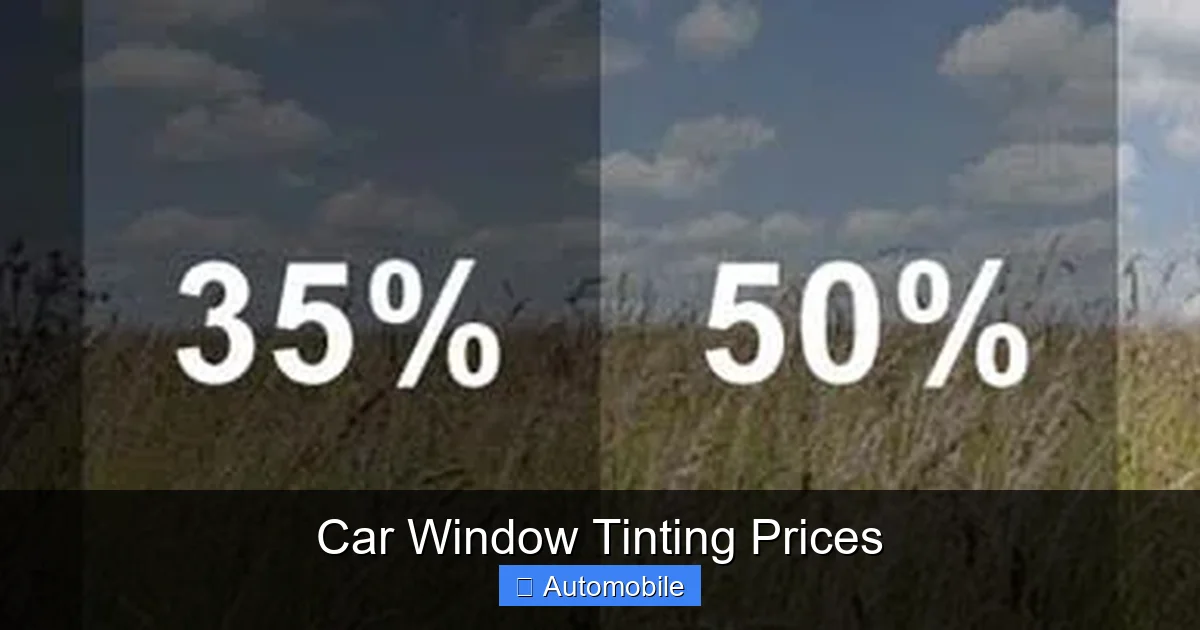
This is extremely important! Every state in the U.S. (and most countries globally) has specific laws governing how dark your car windows can be. These laws are typically measured in Visible Light Transmission (VLT) percentages. VLT refers to the percentage of visible light that passes through the window film and glass. For example, a 70% VLT means 70% of light passes through, so the window looks relatively light, while a 20% VLT means only 20% of light passes through, making it quite dark.
Laws vary significantly. Some states allow darker tints on rear windows but require lighter tints on front side windows, while others might not permit any tint on the windshield (beyond a small strip at the top). Violating these laws can result in fines, tickets, and even the requirement to remove the illegal tint. A reputable professional installer will be familiar with local laws and can advise you on legal tint options, helping you avoid unnecessary hassle after you pay the price to tint car.
Understanding Tint Warranties
A good warranty is a testament to the quality of the film and the installer’s confidence in their work. Most high-quality films come with a manufacturer’s warranty, and reputable installers will often add a labor warranty. Common warranty coverages include:
- Bubbling: The formation of air pockets under the film.
- Peeling: The film lifting away from the glass, especially at the edges.
- Fading: The tint losing its color or turning purple (common with cheaper dyed films).
- Cracking: The film developing cracks.
Always ask about the warranty before getting your tint installed. A lifetime warranty from a reputable brand and installer is ideal and provides peace of mind that your investment in the price to tint car is protected.
Caring for Your Newly Tinted Windows
Once your car is tinted, a little care goes a long way in ensuring its longevity.
- Curing Time: After installation, don’t roll down your windows for at least 3-5 days, or even longer in colder climates. This allows the adhesive to fully cure and prevent the tint from peeling or bubbling.
- Cleaning: Use a soft, lint-free cloth and an ammonia-free window cleaner. Ammonia can damage certain types of tint film. Many tint shops sell tint-safe cleaners, or you can use a simple solution of water and mild soap.
- Avoid Scratches: Be careful with sharp objects, pet claws, or abrasive materials that could scratch the film.
Proper care ensures that your initial price to tint car pays off with years of great-looking and performing tint.
Maximizing Value: Tips for Choosing the Right Tint and Installer
Now that you know what influences the price to tint car and the different options available, let’s talk about how to get the best value for your money. Making an informed choice can save you headaches and ensure you’re happy with your tint for years to come.
Get Multiple Quotes and Compare
Don’t settle for the first quote you receive. Contact at least 2-3 different reputable tint shops in your area. Provide them with details about your car (make, model, year) and what you’re looking for (e.g., all windows, specific film type, desired darkness). Compare not just the overall price to tint car, but also what’s included in that price (film brand, warranty, estimated time).
Read Reviews and Check Portfolios
In today’s digital age, online reviews are gold. Check Google, Yelp, and social media for customer feedback on different tint shops. Look for consistent positive reviews regarding quality of work, customer service, and professionalism. If a shop has an online portfolio, browse it to see examples of their work and ensure it meets your aesthetic standards.
Ask About the Installation Process and Film Brands
Don’t be afraid to ask questions! A good installer will be happy to explain their process.
- What film brands do they use? Research those brands.
- How do they cut the film (by hand or with a computer plotter)? Plotter cuts are often more precise.
- What is their cleaning process before application? A meticulous cleaning is crucial.
- What is their warranty policy on both film and labor?
- Can they show you examples of the different film types and VLT percentages?
Understanding these details will help you gauge their expertise and commitment to quality, which is vital when considering the overall price to tint car.
Don’t Just Shop on Price Alone
While budget is important, remember the old adage: “You get what you pay for.” A significantly lower price to tint car might indicate cheaper film, inexperienced installers, a lack of warranty, or shortcuts in the installation process. Investing a little more upfront for a quality film and professional installation can save you money and frustration in the long run by avoiding premature fading, bubbling, or peeling.
Conclusion: Investing in Comfort, Style, and Protection
Choosing to tint your car’s windows is a decision that offers numerous benefits, from enhancing your vehicle’s curb appeal to providing crucial protection against UV rays and heat. While the price to tint car can vary widely, understanding the factors that influence cost – such as film type, vehicle size, and installer expertise – empowers you to make a smart and informed choice.
Whether you opt for budget-friendly dyed film or invest in premium ceramic tint, remember the importance of professional installation and adherence to local laws. A reputable installer will not only ensure a flawless finish but also provide a warranty, safeguarding your investment for years to come. By doing your research, comparing quotes, and prioritizing quality over the lowest price, you’ll be able to enjoy the comfort, style, and protection that car window tinting brings, making every drive a little better. Happy tinting!
🎥 Related Video: 35% Window Tinting. #windowtint #tinting #tintingchicago #tintshop #carcontent #cartinting #cartint
📺 Tinting Chicago
Frequently Asked Questions
What is VLT?
VLT stands for Visible Light Transmission. It’s a measurement, expressed as a percentage, that indicates how much visible light passes through your car’s window and tint combination. A lower VLT percentage means less light passes through, making the tint darker, while a higher VLT means it’s lighter.
Can I roll down my windows right after tinting?
No, it’s crucial not to roll down your windows for at least 3-5 days after tinting. This “curing” period allows the adhesive to fully dry and bond with the glass, preventing the tint from peeling, bubbling, or shifting at the edges. Your installer will provide specific instructions.
How do I clean tinted windows?
To clean tinted windows, use a soft, lint-free cloth and an ammonia-free window cleaner or a mild soap and water solution. Ammonia-based cleaners can damage the tint film over time, causing it to haze, bubble, or peel. Always spray the cleaner onto the cloth first, rather than directly onto the window.
Will window tint really protect my car’s interior?
Absolutely! High-quality window tint, especially ceramic and carbon films, blocks up to 99% of harmful UV rays. This significantly reduces the fading and cracking of your car’s dashboard, upholstery, and other interior surfaces caused by prolonged sun exposure, helping to preserve its condition and value.
Is ceramic tint worth the extra cost?
Many car owners find ceramic tint to be well worth the extra cost. It offers superior heat rejection without signal interference, excellent UV protection, and greater durability compared to other film types. If you prioritize comfort, interior protection, and long-term performance, ceramic tint is an excellent investment.
What happens if my tint bubbles or peels?
If your tint bubbles or peels, it usually indicates either a poor installation, low-quality film, or a defective product. If you had it professionally installed with a warranty, contact your installer immediately to have it rectified. Attempting to fix it yourself can often cause more damage.