Deciphering the price to tint car windows involves understanding various factors. Key influences include the type of film chosen (dyed, carbon, ceramic), the vehicle’s make and model, the number of windows being tinted, and whether you opt for professional installation or a DIY approach. While DIY might seem cheaper, professional services often offer superior quality, longevity, and valuable warranties, justifying the investment for optimal results and compliance.
Considering a fresh look for your ride? Or maybe you’re tired of your car’s interior baking in the summer sun? Window tinting is often the perfect solution, offering a blend of style, comfort, and protection. But before you dive in, one of the first questions that pops up is always: “What’s the price to tint car windows?” It’s a valid question, and the answer isn’t always straightforward.
Think of it like buying a new pair of shoes. You can find sneakers for $30 or high-performance athletic shoes for $300. Both are shoes, but they offer different levels of quality, features, and durability. Car window tinting works much the same way. The cost can vary dramatically based on a number of factors, from the type of film you choose to who does the installation, and even where you live. This comprehensive guide will help you understand all the elements that influence the price tint car windows, ensuring you make an informed decision that’s right for your vehicle and your wallet.
Understanding the Value of Car Window Tinting
Before we delve into the numbers, let’s quickly remind ourselves why car window tinting is such a popular upgrade. It’s not just about looking cool – though that’s certainly a perk!
- Enhanced Privacy and Security: Tinted windows make it harder for prying eyes to see into your car, protecting your valuables and giving you more personal space.
- UV Ray Protection: High-quality tints block a significant percentage of harmful UV rays, protecting your skin from sun damage and preventing your car’s interior from fading, cracking, and deteriorating.
- Heat Reduction: Tint acts as a barrier against solar heat, keeping your car cooler on hot days. This means less reliance on your air conditioning, which can even lead to minor fuel efficiency improvements.
- Glare Reduction: Say goodbye to blinding sun glare, making your drives safer and more comfortable, especially during sunrise and sunset.
- Shatter Protection: In the unfortunate event of an accident, window film can help hold shattered glass together, reducing the risk of injury from flying shards.
- Aesthetic Appeal: Let’s be honest, a good tint job just makes a car look sleeker and more sophisticated.
These benefits highlight why many drivers consider the price tint car windows a worthwhile investment, not just an expense.
Factors That Influence the Price Tint Car Windows
When you start to explore how much it costs to tint car windows, you’ll quickly realize there’s no single price. Here are the primary factors that will influence your final bill:
Type of Film
The material of the tint film is arguably the biggest determinant of cost. We’ll go into more detail on specific types shortly, but broadly speaking, you have:
- Dyed Films: Most affordable, basic heat rejection.
- Metallized Films: Better heat rejection but can interfere with electronics.
- Carbon Films: Good heat rejection, no electronic interference, durable.
- Ceramic Films: Premium option, excellent heat rejection, UV blocking, signal friendly, highly durable.
- Crystalline Films: Highest end, often clear but offers supreme heat and UV rejection.
The better the performance, the higher the price.
Number of Windows and Vehicle Size
This one is pretty straightforward. Tinting a two-door coupe with just side windows and a rear window will naturally cost less than tinting a large SUV with multiple windows, a sunroof, and a rear liftgate. More glass means more material and more labor. Similarly, cars with complex window curves or tight seals might require more intricate work, increasing labor time.
Geographic Location
Just like real estate or car insurance, the cost of services can vary significantly by region. Shops in major metropolitan areas with higher overhead costs generally charge more than those in smaller towns. Competition among tint shops in a given area can also drive prices up or down.
Professional Installation vs. DIY
This is a classic dilemma. Doing it yourself can seem like a massive saving initially. You might buy a pre-cut kit for $50-$100. However, professional installation, which can range from $150 to $800+, offers expertise, specialized tools, and often a warranty. We’ll explore this more in depth later.
Warranty and Shop Reputation
A reputable tint shop will stand behind their work with a warranty, typically covering bubbling, peeling, or fading of the film. This peace of mind has a value that’s often factored into the price. Shops with a long track record of quality work and excellent customer service might charge a bit more, but you’re paying for reliability and expertise.
Types of Window Tint Films and Their Price Points
Let’s break down the different types of tint films you’ll encounter and what you can expect to pay for them. Knowing these options will help you understand the varying price tint car windows.
Dyed Window Tint Film
This is the most basic and affordable option. Dyed film involves a layer of dye that absorbs solar heat.
- Pros: Inexpensive, provides privacy, non-reflective (won’t interfere with electronics).
- Cons: Tends to fade over time (turning purplish), offers minimal heat rejection compared to other types, and is not very durable.
- Price Range: Typically $100 – $250 for a full vehicle professionally installed.
Metallized Window Tint Film
Metallized films embed tiny metallic particles within the film to reflect solar heat.
- Pros: Good heat rejection, scratch-resistant, durable.
- Cons: The metallic content can interfere with GPS signals, radio reception, cell phone service, and keyless entry systems. It also has a shinier, reflective look that some find undesirable.
- Price Range: Generally $200 – $400 for a full vehicle.
Carbon Window Tint Film
Carbon films contain carbon particles that block infrared light, providing superior heat rejection without the metallic interference.
- Pros: Excellent heat rejection, durable, won’t fade (carbon is naturally stable), no electronic interference, matte finish.
- Cons: A bit more expensive than dyed or metallized films.
- Price Range: Often $300 – $550 for a full vehicle.
Ceramic Window Tint Film
This is considered a premium option and is very popular for its high performance. Ceramic tint contains ceramic particles that are non-conductive and non-metallic, meaning they block a significant amount of UV and infrared light without interfering with electronics.
- Pros: Outstanding heat rejection (up to 90% infrared rejection), superior UV protection (up to 99%), excellent glare reduction, highly durable, signal-friendly, maintains clarity, often comes with a lifetime warranty.
- Cons: The most expensive traditional tint option.
- Price Range: Typically $400 – $800+ for a full vehicle.
Crystalline Window Tint Film
Crystalline film is a specialized type of ceramic tint that offers maximum performance with very little visible tint. It’s often nearly clear, designed for those who want the benefits of tinting (especially heat and UV rejection) without the dark appearance, or for windshields where darker tints are illegal.
- Pros: Unmatched heat and UV rejection, practically clear appearance, perfect for windshields or strict legal requirements.
- Cons: The most expensive film type on the market.
- Price Range: Can be $200-$400 just for a windshield, or significantly higher for a full vehicle.
Professional Installation vs. DIY Tinting: Weighing the Costs
When considering the price tint car windows, the choice between professional installation and DIY is a crucial one. Each path has its own set of costs and benefits.
DIY Tinting: The Allure of Savings
Buying a DIY tint kit can seem incredibly appealing. You can find pre-cut kits online or rolls of film at auto parts stores for as little as $30 to $100.
- Pros: Very low upfront cost. You control the timing and process.
- Cons:
- Difficulty: Applying tint perfectly is much harder than it looks. You need a dust-free environment, precise cutting skills, a steady hand, and patience.
- Quality Issues: Bubbles, creases, dust trapped under the film, uneven edges, peeling, and poor adhesion are common problems for DIYers.
- Time Commitment: What a pro does in a few hours can take a DIYer an entire weekend, often with frustrating results.
- Lack of Warranty: If you mess it up, you’re out the cost of the film and your time.
- Inferior Materials: Many DIY kits use lower-grade dyed films that will fade quickly.
While the “price tint car windows” for DIY might seem low, the hidden costs in terms of time, frustration, and potential re-do expenses can make it a false economy.
Professional Installation: The Investment in Quality
A professional tint shop has the tools, experience, and environment to ensure a flawless installation.
- Pros:
- Expertise: Trained technicians know how to properly clean windows, cut film precisely, and apply it seamlessly.
- Quality Materials: Professionals typically use higher-grade films (carbon, ceramic) that offer better performance and durability.
- Warranty: Most reputable shops offer a warranty on both the film and the labor, protecting your investment against defects.
- Time-Saving: Get the job done right and quickly, often within a few hours.
- Optimal Results: A professional tint job enhances your car’s appearance and performance without the common DIY flaws.
- Cons: Higher upfront cost.
For most people, the extra price tint car windows for professional service is well worth it for the peace of mind, superior aesthetics, and long-lasting performance.
Navigating Legality and Warranties
Before you even think about the price tint car windows, you must understand your local laws. Tint laws vary significantly from state to state (and even within different counties or cities).
Understanding Tint Laws
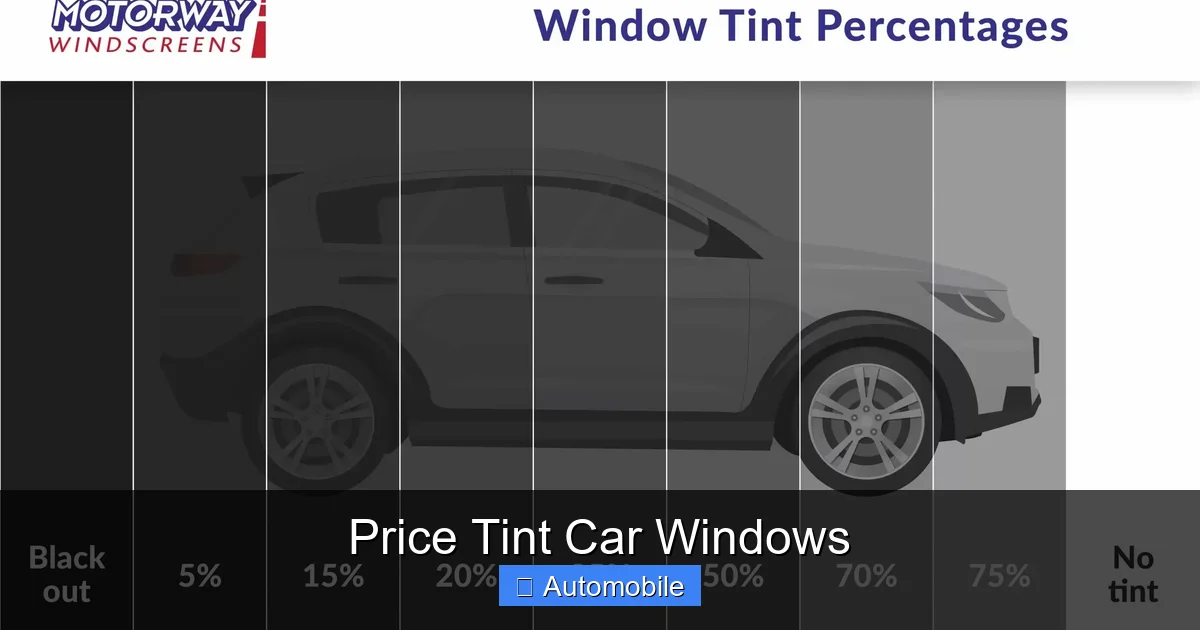
- VLT (Visible Light Transmission): This is the percentage of visible light that can pass through your window. Lower VLT means darker tint. Most states have specific VLT limits for front side windows, rear side windows, and rear windows. Windshields often have a “brow” limit or no tint allowed below a certain line.
- Color Restrictions: Some states prohibit certain tint colors (like red, amber, or blue).
- Medical Exemptions: If you have a medical condition requiring increased sun protection, you might be eligible for a tinting exemption, but you’ll usually need a doctor’s note and specific documentation.
Failing to comply with local tint laws can result in fines, having to remove the tint, and even vehicle impoundment in some cases. Always check your state’s Department of Motor Vehicles (DMV) website or consult a reputable tint shop to ensure your choices are legal. A good professional will always inform you of the legal limits.
The Importance of a Warranty
A warranty is your safeguard against potential issues. When discussing the price tint car windows, always ask about the warranty.
- Film Warranty: This covers defects in the film itself, such as bubbling, peeling, cracking, or premature fading. High-quality films often come with a lifetime warranty from the manufacturer.
- Labor Warranty: This covers the quality of the installation. A good shop will offer a labor warranty (e.g., 1-5 years) to fix any installation-related issues free of charge.
A comprehensive warranty from a trusted installer adds significant value and protection to your investment, making the slightly higher price tint car windows worthwhile.
Maximizing Your Investment: Care and Longevity
Once you’ve made the decision and invested in tinting, you’ll want to make sure it lasts. Proper care can significantly extend the life and appearance of your window tint.
Post-Installation Curing Period
After your windows are tinted, there’s a crucial “curing” period, usually 3-5 days, but sometimes up to a few weeks, depending on the weather and film type.
- Don’t Roll Down Windows: The adhesive needs time to fully bond to the glass. Rolling down windows prematurely can cause the tint to peel or shift.
- Avoid Cleaning: Refrain from cleaning the tinted windows during this period.
- Minor Imperfections: Don’t panic if you see small water bubbles or haziness. This is normal during the curing process as the moisture between the film and glass evaporates. These should disappear within a few weeks.
Ongoing Maintenance Tips
- Use Ammonia-Free Cleaners: Ammonia can break down the adhesive and damage the tint film. Always use window cleaners specifically marked “ammonia-free” or simply use mild soap and water.
- Soft Cloths Only: Use a soft microfiber cloth or sponge for cleaning. Avoid abrasive brushes or rough towels that can scratch the film.
- Gentle Wiping: Wipe gently from top to bottom. Don’t scrub vigorously.
- No Sharp Objects: Be careful with seatbelts, rings, or other sharp objects that could scratch or gouge the tint.
By following these simple care instructions, your investment in window tint will look great and provide its benefits for many years to come.
Conclusion: Making an Informed Decision on Price Tint Car Windows
Deciding on the price tint car windows for your vehicle involves more than just looking at the initial cost. It’s about weighing the value of quality materials, expert installation, long-term benefits, and peace of mind. While DIY might offer immediate savings, the potential for a sub-par result, wasted time, and lack of warranty often makes professional installation the smarter, more economical choice in the long run.
By understanding the different film types, considering your vehicle’s specific needs, being aware of local laws, and prioritizing a reputable installer with a strong warranty, you can confidently navigate the options. Investing in quality window tinting not only enhances your driving experience and protects your vehicle, but it also adds significant aesthetic and functional value. So, go ahead, get those quotes, ask the right questions, and enjoy the cool, comfortable, and stylish ride you deserve!
Key Takeaways
- Cost Varies Widely: The price to tint car windows can range significantly, typically from $100 for basic DIY kits to over $800 for high-end professional ceramic tinting on an entire vehicle.
- Film Type is Crucial: Different tint films (dyed, metallized, carbon, ceramic, crystalline) have distinct price points and performance benefits. Ceramic and crystalline films offer the best heat rejection and UV protection but come at a higher cost.
- Professional Installation vs. DIY: While DIY kits are cheaper upfront, professional installation provides expert application, better durability, and often includes a warranty, potentially saving money and frustration in the long run.
- Vehicle Type Matters: Larger vehicles with more windows, or those with complex window curves, will generally cost more to tint due to increased material and labor requirements.
- Legality and Warranty: Always check local tint laws before installation to avoid fines. Reputable installers offer warranties covering bubbling, peeling, and fading, which is a significant factor in the overall value.
- Long-Term Value: Investing in quality tint can offer long-term benefits like reduced interior fading, improved fuel efficiency (due to less AC use), enhanced privacy, and increased safety from shattered glass.
Quick Answers to Common Questions
What is the average price to tint car windows?
The average price to tint car windows professionally can range from $150 for basic dyed film on a coupe to over $800 for high-performance ceramic film on an SUV. DIY kits are much cheaper, starting around $30-$100.
Does the type of car affect tinting price?
Yes, the type of car significantly affects the price. Larger vehicles with more windows (like SUVs or vans) or those with complex window shapes will generally cost more due to increased material and labor requirements compared to smaller sedans or coupes.
Is ceramic tint worth the higher price?
Many consider ceramic tint worth the higher price due to its superior heat rejection (up to 90% infrared), excellent UV protection, durability, and non-interference with electronic signals. It offers a premium performance that cheaper films cannot match.
How long does car window tint last?
The lifespan of car window tint varies by film type and installation quality. Basic dyed films might last 1-3 years before fading or bubbling, while high-quality carbon or ceramic films, professionally installed, can last 5-10 years or even the lifetime of the vehicle.
Will tinting my car windows affect my car’s electronics?
Metallized window films can interfere with electronic signals such as GPS, radio, cell phone reception, and keyless entry systems. However, carbon and ceramic films are non-metallic and do not cause such interference, making them a better choice for modern vehicles.
🎥 Related Video: How to Choose the RIGHT Window Tint | Don't Make A Mistake
📺 Chicago Auto Pros
Picking the correct Window Tint Film for your vehicle is absolutely crucial. There are many different types of film to choose from, …
Frequently Asked Questions
How long does it take to tint car windows professionally?
Professional car window tinting typically takes between 1.5 to 4 hours, depending on the number of windows, the vehicle’s complexity, and the installer’s experience. It’s often quicker for smaller cars and longer for larger vehicles or those requiring intricate work.
Can I clean my car windows immediately after tinting?
No, it’s crucial to wait for a “curing” period after tinting, usually 3 to 5 days, but sometimes up to a few weeks. Cleaning the windows or rolling them down prematurely can disrupt the adhesive’s bonding process and cause the tint to peel or bubble.
What VLT percentage should I choose for my car tint?
The ideal VLT (Visible Light Transmission) percentage depends entirely on your local laws and personal preference. Always check your state’s specific tint laws for front side, rear side, and rear windows before choosing a VLT to avoid legal issues and fines.
Do car window tints really block UV rays and heat?
Yes, high-quality car window tints are very effective at blocking UV rays and rejecting heat. Ceramic and carbon films can block up to 99% of harmful UV rays and significantly reduce infrared heat, keeping your car’s interior cooler and protecting its upholstery.
What are the signs of a poor window tint job?
Signs of a poor window tint job include visible bubbles, creases, peeling edges, trapped dust or debris under the film, purple discoloration (a sign of cheap dyed film fading), or uneven cuts around the window edges. These issues often appear shortly after installation.
Is a lifetime warranty common for car window tinting?
A lifetime warranty is common for high-quality window tint films, particularly ceramic and carbon options, when installed by reputable professionals. This warranty usually covers film defects like bubbling, peeling, or fading for as long as you own the vehicle.