Negotiating used car price can feel daunting, but with the right preparation and strategies, you can secure a great deal. This guide empowers you to research effectively, understand seller tactics, and confidently navigate the negotiation process, ensuring you drive away happy and save money. Master the art of the deal by being informed and ready to walk away.
Negotiating Used Car Price
Buying a used car can be an exciting journey. The thrill of finding the perfect vehicle at a fantastic price is unmatched. However, for many, the thought of negotiating used car price feels like stepping into a boxing ring. It’s often seen as a challenging, even intimidating, part of the car-buying process. But what if we told you it doesn’t have to be? What if you could approach negotiations with confidence, armed with knowledge and powerful strategies?
This comprehensive guide is designed to transform you into a savvy negotiator. We’ll demystify the process of negotiating used car price, breaking it down into simple, actionable steps. From in-depth research to clever communication tactics, we’ll equip you with everything you need to secure a great deal on your next used car. Think of us as your friendly co-pilot, guiding you through every turn. Let’s get ready to drive a hard bargain and save some money!
Key Takeaways
- Preparation is Paramount: Thoroughly research market value, vehicle history reports, and get a pre-purchase inspection (PPI) before you even start talking price. Knowing the car’s true worth gives you a strong upper hand in negotiating used car price.
- Set a Firm Budget: Define your absolute maximum spending limit *before* you visit any seller. Stick to this budget to avoid emotional overspending and ensure a successful negotiation without buyer”s remorse.
- Understand Seller Psychology: Whether it’s a dealership or a private seller, knowing their motivations and common sales tactics can help you counter effectively and maintain control during the process of negotiating used car price.
- Focus on the Out-the-Door Price: Don’t just negotiate the sticker price. Always ask for the “out-the-door” price, which includes all fees, taxes, and hidden charges, to get a true picture of the total cost.
- Be Ready to Walk Away: Your most powerful negotiating tool is your willingness to leave. If the deal isn’t right, or you feel pressured, politely decline and move on. There will always be another car and another opportunity to negotiate a used car price.
- Don’t Forget Financing and Trade-ins: Secure your financing *before* you shop. Separate the discussion of your trade-in from the discussion of the car you’re buying. This prevents sellers from manipulating figures to make you think you’re getting a better deal than you actually are.
Quick Answers to Common Questions
How much can I typically negotiate off the asking price for a used car?
There’s no fixed rule, but generally, starting an offer 10-20% below the asking price is a common tactic, especially with private sellers. For dealerships, it might be closer to 5-10% off, depending on the car’s demand and how long it’s been on the lot. Your ability to negotiate used car price depends heavily on your research and the car’s condition.
Is it better to negotiate in person or over the phone/email?
While you can start discussions over the phone or email to gauge interest and gather information, the most effective negotiation for used car price often happens in person. Being there allows you to physically inspect the car, read the seller’s body language, and demonstrate your seriousness, which can lead to better deals.
What if the seller won’t budge on price?
If the seller refuses to lower the price, you have a few options. You can try negotiating on other terms, like including an extended warranty, new tires, or detailing services if it’s a dealership. If it’s a private seller or you’re at a dealership and they won’t meet your reasonable offer, your best move is often to walk away. Another car will always come along, and showing you’re prepared to leave is a strong negotiating tactic for used car price.
Should I tell the dealer I have a trade-in immediately?
No, it’s generally best to keep your trade-in separate from the negotiation of the used car price. First, agree on the purchase price of the car you want to buy. Once that’s settled, then introduce your trade-in. This prevents the dealer from shifting numbers around to make it seem like you’re getting a better deal than you actually are on either component.
How long should I expect the negotiation process to take?
The negotiation process can vary. With private sellers, it might be quicker, sometimes resolved in a single conversation. At a dealership, it could take anywhere from one to several hours, as there are often multiple stages and people involved (salesperson, sales manager, finance manager). Be prepared to be patient and don’t rush the process, especially when negotiating used car price.
📑 Table of Contents
1. The Foundation: Research and Preparation
Before you even think about stepping onto a car lot or contacting a private seller, your most powerful tool is knowledge. Thorough preparation isn’t just helpful; it’s absolutely essential for successfully negotiating used car price. This foundational step will give you confidence and prevent you from being taken advantage of.
Know the Car’s True Value
This is your first and most critical piece of homework. Every car has a market value, and you need to know it inside and out. Don’t rely solely on the seller’s asking price.
- Online Valuation Tools: Websites like Kelley Blue Book (KBB), Edmunds, and NADAguides offer excellent valuation tools. Enter the exact year, make, model, trim level, mileage, and condition of the car you’re interested in. Look at both private party and dealer retail values. This gives you a realistic price range for negotiating used car price.
- Compare Similar Listings: Check local online marketplaces (Craigslist, Facebook Marketplace, AutoTrader, CarGurus) for similar vehicles. Pay attention to how long cars have been listed. A car sitting for a long time might indicate a motivated seller or an overinflated price, offering more room for negotiating used car price.
- Factor in Condition: Be realistic about the car’s condition. A car with dents, dings, or mechanical issues should be priced lower than one in pristine condition. Factor in potential repair costs into your mental calculation when you begin negotiating used car price.
Deep Dive into Vehicle History
A car’s past can tell you a lot about its future. Don’t skip this step.
- Vehicle History Reports: Always get a CARFAX or AutoCheck report. These reports reveal crucial information like accident history, service records, previous owners, odometer discrepancies, and flood damage. Any red flags here are significant bargaining chips for negotiating used car price.
- Service Records: If available, review the car’s service records. Regular maintenance indicates a well-cared-for vehicle. Gaps in service or a lack of records can signal neglect and potential future problems.
The Pre-Purchase Inspection (PPI)
This is non-negotiable, especially for used cars. A PPI is an independent inspection by a trusted mechanic who doesn’t work for the seller.
- Why a PPI is Crucial: A mechanic can uncover hidden issues that might not be obvious during a test drive. They can spot problems with the engine, transmission, brakes, suspension, and other vital components. This professional assessment is invaluable when negotiating used car price.
- Using PPI Findings: If the inspection reveals necessary repairs, you now have concrete evidence to justify a lower offer. Get written estimates for these repairs. This strengthens your position for negotiating used car price significantly.
Set Your Budget and Stick to It
Before you even look at cars, define your absolute maximum spending limit. This includes the purchase price, taxes, registration, insurance, and any immediate repairs.
- Separate Funds: If you’re trading in a car or arranging financing, handle those separately (more on this later). Focus solely on the cash price of the car you want.
- Be Disciplined: Emotional attachments can lead to overspending. If a car is outside your budget, walk away. There are always other options available when negotiating used car price.
2. Understanding the Seller and the Market

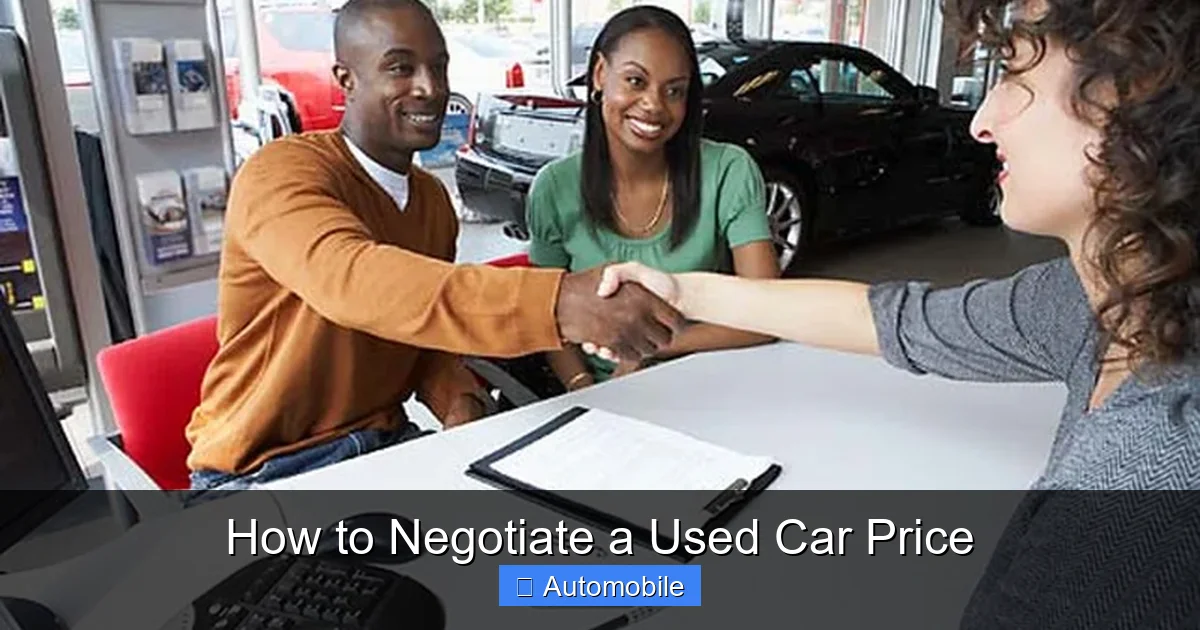
Visual guide about Negotiating Used Car Price
Image source: smartcdn.gprod.postmedia.digital
Knowing who you’re dealing with and the broader market conditions can significantly influence your negotiating strategy. The approach for negotiating used car price with a private seller differs from a dealership.
Dealership vs. Private Seller
Both have different motivations and flexibility.
- Dealerships: They have overhead costs (lot rent, sales commissions, advertising). They want to move inventory. They often have more room to negotiate *certain* aspects (price, warranty, extras) but usually have a floor. Their goal is often maximizing profit per sale, or moving older inventory. They might use tactics like “four-square” negotiations to confuse buyers.
- Private Sellers: Their motivation is usually simpler: sell the car directly for the best possible price. They often have more emotional attachment to the vehicle. They don’t have overhead, so they might be more flexible on price, but also less able to offer financing or warranties. They might be open to a lower price for a quick, no-hassle sale.
Market Dynamics
The current market can impact your ability to negotiate.
- High Demand, Low Supply: In a seller’s market, you might have less room to negotiate. Prices tend to be higher, and sellers are less likely to budge significantly.
- Low Demand, High Supply: A buyer’s market gives you more leverage. Sellers might be more eager to make a deal to move inventory. This is ideal for negotiating used car price.
- Time of Year: End of the month or end of the quarter can be good times to buy from dealerships, as they try to hit sales targets. Late fall or winter can also see lower demand for certain types of vehicles (like convertibles).
3. The Art of the Deal: Negotiation Strategies
Now for the exciting part! With your research in hand, it’s time to put on your negotiation hat. Remember, confidence and a calm demeanor are your best allies.
The First Offer: How Low Should You Go?
Your opening offer sets the tone.
- Start Low, But Be Realistic: A common strategy is to offer 10-20% below the asking price, especially with private sellers, or slightly below your researched market value for the car. This gives you room to negotiate upwards. Don’t insult the seller with an absurdly low offer; it can shut down negotiations immediately.
- Justify Your Offer: Always explain *why* your offer is what it is. Refer to your research: “Based on my KBB research, and considering the need for new tires which I noted during the inspection, I’m comfortable offering $X.” This makes your offer credible.
Communication is Key: Be Polite, Firm, and Patient
Your tone and approach matter.
- Be Respectful: Always be polite and courteous. Aggression rarely works. You’re trying to find common ground.
- Be Firm: While polite, don’t be afraid to stand your ground. State your limits clearly.
- Listen Actively: Pay attention to what the seller says. Are they motivated? Do they have a bottom line? Their responses can give you clues for your next move when negotiating used car price.
- Use Silence: After making an offer, be quiet. Let the seller respond. Often, people feel uncomfortable with silence and will fill it with information or concessions.
- Avoid Emotional Attachment: It’s just a car. Don’t let your desire for a specific vehicle cloud your judgment or make you overpay.
Key Negotiation Tactics
These proven methods can help you secure a better price.
- Focus on the “Out-the-Door” Price: Dealerships love to talk about monthly payments or sticker price. Insist on the total “out-the-door” price. This includes the car’s price, sales tax, registration fees, documentation fees, and any other charges. Negotiate this single number. This is crucial for truly negotiating used car price effectively.
- Highlight Flaws (Gently): During the negotiation, refer to any imperfections or needed repairs you found during your inspection or test drive. “I noticed the brakes feel a bit soft, and that means I’ll need to invest in a brake job soon, so my offer reflects that.”
- The “Walk Away” Power: This is your strongest leverage. If you’re not getting a fair deal or feel pressured, be prepared to walk away. Seriously. Often, a seller will call you back with a better offer once they realize they might lose the sale. This willingness to walk away is vital for negotiating used car price.
- Don’t Be Afraid to Say No: No to extended warranties you don’t need, no to fabric protection, no to additional fees that aren’t legally required.
- Stay Calm Under Pressure: Salespeople are trained negotiators. They might use tactics to rush you, make you feel like you’re missing out, or pressure you. Take a deep breath. Take a break if you need to. You are in control of your decision.
4. Beyond the Price Tag: Financing and Trade-Ins
While the purchase price is central to negotiating used car price, financing and trade-ins are significant components of the overall deal that need careful handling.
Secure Financing BEFORE You Shop
This is a golden rule.
- Get Pre-Approved: Visit your bank or credit union *before* you step into a dealership. Get a pre-approved loan with a low interest rate. This gives you a benchmark.
- Cash Buyer Power: Having financing secured means you’re effectively a cash buyer in the dealership’s eyes. They know you’re ready to buy, and they can’t play games with interest rates to boost their profits. This gives you immense power when negotiating used car price.
- Compare Dealership Financing: Once you have your pre-approval, you can still let the dealership try to beat it. Sometimes they can, but having your own financing means you won’t accept a bad deal.
Separate Your Trade-In
Never combine the discussion of your trade-in with the negotiation for the car you want to buy.
- Negotiate Price First: Get to an agreed-upon price for the used car you’re buying *first*. Once that’s settled, then introduce the trade-in.
- Why Separate? Dealerships often play a “shell game.” They might give you a higher trade-in value but inflate the price of the new car, making you think you got a great deal when you didn’t. Or they might lowball your trade-in and then refuse to budge on the car’s price. Separating these two transactions simplifies the process of negotiating used car price.
- Know Your Trade-In’s Value: Just like with the car you’re buying, research your trade-in’s value using KBB, Edmunds, etc. If the dealership offers significantly less, consider selling it privately.
5. Finalizing the Deal: What to Look For
You’ve negotiated a great price. Congratulations! But the negotiation isn’t truly over until the paperwork is signed and you’ve driven off the lot.
Review the Paperwork Meticulously
Don’t rush this step. Read every single line.
- Verify All Numbers: Ensure the agreed-upon price for the car is exactly what’s on the contract. Check for any added fees you didn’t agree to.
- Beware of Hidden Fees: Look out for “document fees,” “prep fees,” “etching fees,” or other miscellaneous charges. Some doc fees are standard and regulated, but others are pure profit. Ask about every fee and question its necessity. Some are negotiable, or at least you can use them to drive down the vehicle’s price further.
- Check for Accuracy: Verify your name, address, VIN, mileage, and all other details are correct.
- No Blank Spaces: Never sign a contract with blank spaces. They can be filled in later without your knowledge.
Test Drive Again Before Signing
Especially if it’s been a while since your initial test drive.
- Confirm Everything: Make sure there are no new dings or scratches, and that all features work as expected.
- Final Inspection: Do a quick visual check of tires, fluids, and overall condition.
Get Everything in Writing
Any promises made by the seller (e.g., “we’ll fix that dent before you pick it up”) must be written into the purchase agreement. If it’s not in writing, it didn’t happen.
Conclusion
Negotiating used car price doesn’t have to be a battle; it’s a strategic dance where preparation, patience, and clear communication lead the way. By empowering yourself with knowledge about market values, vehicle history, and seller motivations, you gain an immense advantage. Remember to set a firm budget, focus on the “out-the-door” price, and always be ready to walk away if the deal isn’t right.
The goal isn’t just to get a good deal, but to get the *right* deal for *you*. With these strategies in your toolkit, you’re no longer just a buyer; you’re a confident, savvy negotiator ready to drive home in your perfect used car at a price that makes you smile. Happy negotiating!
🎥 Related Video: How to Negotiate A Used Car RIGHT NOW | Don't Buy a Car Until You Watch THIS Video
📺 CarEdge
Here’s why you can negotiate at least 10% off: ⮕ https://caredge.com/guides/used-car-prices-are-crashing/ Get educated on …
Frequently Asked Questions
How important is a pre-purchase inspection (PPI) when negotiating used car price?
A pre-purchase inspection (PPI) is extremely important. It provides an unbiased assessment of the car’s mechanical condition from a trusted mechanic. Any issues found during the PPI give you concrete evidence to support a lower offer, making it a powerful tool for negotiating used car price and potentially saving you from costly repairs down the line.
Can I negotiate the “documentation fees” at a dealership?
Documentation fees, or “doc fees,” are often non-negotiable at dealerships as they are sometimes regulated by state law or applied uniformly to all customers. However, it’s always worth asking if they can be reduced or waived. If they can’t be changed, you can try to offset them by negotiating the actual used car price down further to compensate for these unavoidable costs.
What if I find a similar car for a lower price elsewhere?
If you find a similar car with comparable mileage and condition for a lower price at another dealership or from a private seller, use this information as leverage. Present this competitive offer to your current seller. They might be willing to match or beat it to earn your business, especially if they are motivated to sell and you are confidently negotiating used car price.
Is it okay to bring a friend or family member to help with negotiation?
Absolutely, bringing a friend or family member can be very beneficial. They can offer moral support, act as a sounding board, and notice details you might miss. An objective third party can also help you stick to your budget and avoid emotional decisions, making you a stronger negotiator when discussing used car price.
How do I handle add-ons like extended warranties or protection plans?
When offered add-ons like extended warranties, rustproofing, or paint protection, politely decline them until the primary car price negotiation is complete. These are high-profit items for dealerships. If you’re interested, research their true value and negotiate them separately, knowing that they often have significant markup. Don’t let them muddy the waters of negotiating used car price.
Should I discuss my maximum budget with the seller?
No, it’s generally not advisable to reveal your maximum budget to the seller or dealership. Once they know your top limit, they will likely try to get as close to that number as possible. Keep your budget to yourself and work upwards from your initial low offer, allowing more room for effective negotiating used car price.