Navigating the used car market can feel daunting, but with the right strategies, you can confidently negotiate a great deal. This comprehensive guide will equip you with the knowledge and tactics needed to prepare thoroughly, understand dealership practices, and master the art of negotiation, ensuring you get the best possible price and terms for your next used car. By focusing on research, maintaining composure, and knowing when to walk away, you’ll be well-prepared to save money and drive off happy.
How to Negotiate Used Car Price at Dealership
Buying a used car can be an exciting prospect. It’s an opportunity to get a reliable vehicle at a fraction of the cost of a new one, often with many years of life left. However, the process of purchasing a used car from a dealership can also feel like entering a high-stakes game. Dealerships are in the business of making a profit, and their sales teams are skilled negotiators. This can leave many buyers feeling overwhelmed, unsure of how to get the best deal, or even taken advantage of.
But it doesn’t have to be that way! With the right knowledge, preparation, and a confident approach, you can turn the tables and become a savvy negotiator yourself. This comprehensive guide will walk you through everything you need to know about how to negotiate used car price at a dealership, from doing your homework before you even set foot on the lot to confidently sealing the deal. Our goal is to empower you to drive away in your dream car, knowing you got a fantastic price and avoided common pitfalls. Let’s dive in and unlock the secrets to successful used car negotiation.
Key Takeaways
- Preparation is Paramount: Thoroughly research market values, vehicle history, and your financing options *before* stepping onto the lot. This knowledge is your greatest asset in how to negotiate used car price at a dealership.
- Separate Price from Payments: Always negotiate the total out-the-door price first. Discussing monthly payments too early can distract from the actual cost and open doors for hidden fees.
- Understand Dealership Tactics: Be aware of common sales techniques, such as “four-square” worksheets, lowball trade-in offers, and urgency creation, to counter them effectively.
- Be Ready to Walk Away: Your strongest negotiating tool is your willingness to leave if the deal isn’t right. Don’t be pressured into a purchase you’re uncomfortable with.
- Negotiate More Than Price: Look beyond the sticker price. Haggle over trade-in value, financing rates, extended warranties, and even accessories to maximize your savings.
- Stay Calm and Confident: Approach the negotiation process with a clear head and an assertive, yet polite, demeanor. Emotional decisions often lead to overspending.
Quick Answers to Common Questions
Can I negotiate the “out-the-door” price for a used car?
Absolutely! You should always negotiate the total “out-the-door” price, which includes the vehicle’s price, taxes, registration fees, and any dealership fees. This is the most comprehensive way to ensure you’re getting the best deal on how to negotiate used car price at a dealership.
Is it better to pay cash or finance a used car?
While paying cash means no interest payments, getting pre-approved for financing from an outside lender (like a bank or credit union) is often the best strategy. This allows you to negotiate the car’s price as if you’re a cash buyer, and then you can compare your pre-approved rate to any financing offers from the dealership.
Should I mention my trade-in right away?
It’s generally better to hold off on mentioning your trade-in until you’ve settled on a price for the used car you’re buying. Negotiating them separately prevents the dealer from playing “shell games” with the numbers, where they might give you more for your trade-in but then inflate the price of the car you’re purchasing.
What if the dealer won’t budge on price?
If the dealer seems unwilling to move on price, reiterate your offer and the market research supporting it. If they still won’t budge, be prepared to walk away. Your willingness to leave is your most potent negotiation tool, and often, they’ll make a better offer as you head out the door.
How much can I realistically expect to negotiate off the asking price?
The amount you can negotiate varies greatly depending on the car’s popularity, how long it’s been on the lot, and the dealership’s markup. A reasonable target is often 5-10% off the asking price, but sometimes more or less is possible. Always base your offer on your thorough market research.
📑 Table of Contents
Preparation is Power: Research Before You Go
The single most important step in how to negotiate used car price at a dealership happens long before you ever shake a salesperson’s hand. Knowledge truly is power in this scenario. The more informed you are, the less likely you are to be swayed by sales tactics or to overpay.
Define Your Needs and Budget
Before you even start looking, sit down and figure out what you genuinely need in a car. What’s your lifestyle like? Do you commute long distances, need space for a family, or primarily drive in the city? What features are must-haves versus nice-to-haves?
Crucially, establish a firm budget. This isn’t just about the purchase price, but the total cost of ownership. Consider insurance, potential maintenance, fuel costs, and registration fees. Knowing your absolute maximum “out-the-door” price (including taxes, fees, and the car’s price) will give you a clear boundary during negotiations. Don’t forget to factor in how you plan to pay – cash, external financing, or dealership financing.
Research Vehicle Market Value
This is where the real data crunching begins. Once you have a few specific makes and models in mind, research their market value extensively. Use reputable online resources like Kelley Blue Book (KBB.com), Edmunds.com, and NADAguides.com to get an accurate estimate of what similar cars (same make, model, year, trim, mileage, and condition) are selling for in your local area.
* Check multiple sources: Don’t rely on just one. Cross-reference values to get a realistic range.
* Filter by condition: Be honest about the condition of the car you’re looking at. Is it “fair,” “good,” “very good,” or “excellent”? This significantly impacts value.
* Consider mileage: High mileage usually means a lower price, while very low mileage might command a premium.
* Look at listing prices: Browse actual listings on dealer websites, AutoTrader, CarGurus, and Facebook Marketplace to see what competitors are asking for similar vehicles. This gives you a real-world snapshot.
Armed with this information, you’ll know if a dealer’s asking price is fair, too high, or potentially a good deal. This is a foundational step in learning how to negotiate used car price at a dealership effectively.
Get a Vehicle History Report (VHR)
Always, always, always get a Vehicle History Report (VHR) for any used car you’re seriously considering. Services like CarFax and AutoCheck provide invaluable insights into a car’s past.
* Accident history: Was it in a major crash?
* Service records: Has it been regularly maintained?
* Ownership changes: How many previous owners?
* Flood or fire damage: Crucial to identify.
* Odometer discrepancies: Is the mileage accurate?
* Lien status: Is there outstanding debt on the vehicle?
A clean VHR doesn’t guarantee a perfect car, but a problematic one should be an immediate red flag. Most reputable dealerships provide these for free; if they don’t, consider it a warning sign.
Pre-Arranged Financing
Don’t wait until you’re at the dealership to think about financing. Get pre-approved for a loan from your bank or a credit union before you even step foot on the lot.
* Know your rate: This gives you a benchmark. If the dealership offers you a higher rate, you know to decline or negotiate them down.
* Separates negotiations: When you have your own financing, you can negotiate the car price as a cash buyer. This removes the variable of monthly payments from the initial negotiation, allowing you to focus solely on the vehicle’s price. Dealers love to “pack” payments with add-ons if you’re only focused on the monthly number.
Understand Your Trade-In Value (If Applicable)
If you plan to trade in your current vehicle, research its value just as thoroughly as the car you intend to buy. Use the same resources (KBB, Edmunds, etc.) to get a realistic appraisal. Be honest about its condition. Dealers often try to give you less for your trade-in to make the new car deal look better. Knowing its true value will prevent you from being short-changed.
Understanding the Dealership’s Game: The Art of the Sale
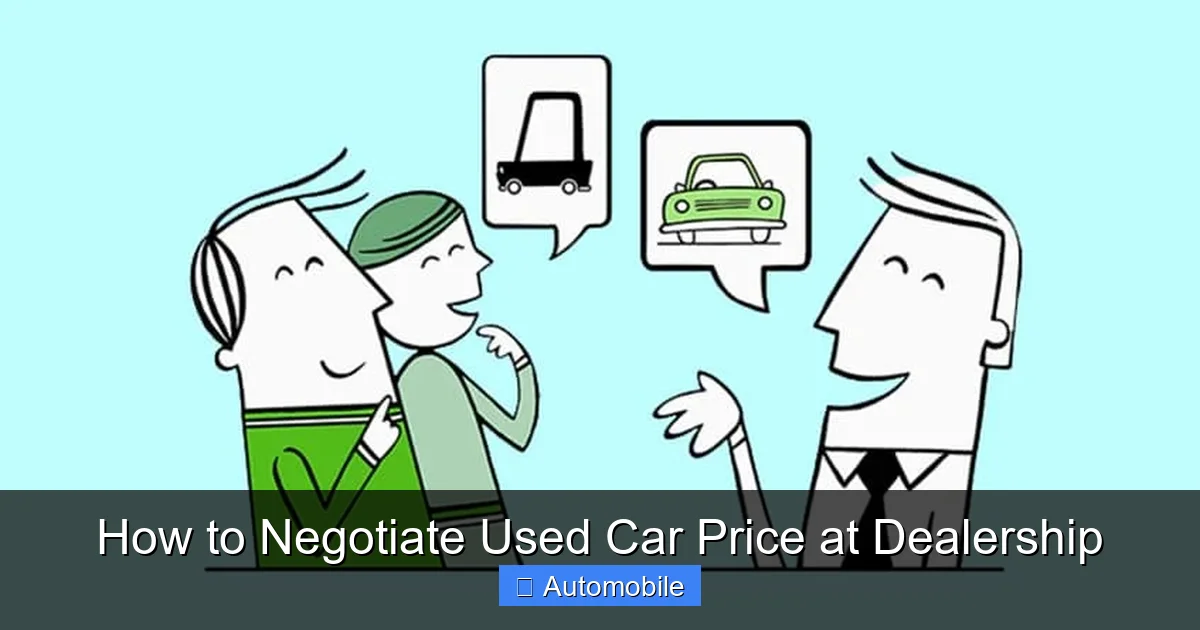
Visual guide about How to Negotiate Used Car Price at Dealership
Image source: static.overfuel.com
Dealerships operate on a specific business model, and understanding their strategies can give you a significant advantage when you negotiate used car price at a dealership. They are not your friends; they are trying to maximize their profit, which is fair, but you need to protect your interests.
Salesperson vs. Sales Manager
You’ll likely start with a salesperson. They are typically commission-based and are excellent at building rapport. However, they usually don’t have the authority to make final pricing decisions. Those powers lie with the sales manager. The salesperson will “take the numbers to the manager” multiple times. Don’t get frustrated; this is part of the process designed to wear you down. Always remember you’re negotiating with the dealership, not just the individual salesperson.
The “Four-Square” Worksheet
This is a classic sales tool designed to confuse buyers. It breaks down the negotiation into four separate boxes:
1. **Purchase Price:** The price of the new car.
2. **Trade-In Value:** What they offer for your car.
3. **Down Payment:** How much cash you’re putting down.
4. **Monthly Payment:** Your projected payment.
The goal is to move numbers between these squares to make one aspect look appealing while offsetting it elsewhere. For instance, they might offer a great trade-in value but hike up the purchase price, or give you a low monthly payment by extending the loan term. Always insist on negotiating one thing at a time, starting with the out-the-door price of the used car.
The “We Have Another Buyer” Tactic
A common pressure tactic is for the salesperson to tell you someone else is interested in the same car. While sometimes true, it’s often a ploy to rush you into a decision. Stick to your research and your budget. If the car sells, another one will come along.
Focusing on Monthly Payments
As mentioned before, if you’re financing through the dealership, they will almost immediately try to steer the conversation to your desired monthly payment. Resist this strongly! Negotiate the total purchase price of the car first, down to the last dollar. Once that’s settled, then you can discuss financing terms, including interest rates and loan duration. If you only focus on monthly payments, they can easily extend the loan term or add costly extras to keep the payment “affordable” while dramatically increasing your total cost.
Mastering the Negotiation: Strategies for Success
Now that you’re armed with research and an understanding of dealership tactics, let’s get into the nitty-gritty of how to negotiate used car price at a dealership.
Start with a Lowball Offer (but be realistic)
Don’t be afraid to make the first offer, but make sure it’s lower than what you’re willing to pay, typically 10-20% below the asking price or slightly below your researched market value. The salesperson will likely counter, and then you can work your way up. For example, if a car is listed at $15,000 and your research shows it’s worth closer to $13,500, start your offer around $12,500-$13,000. This gives you room to negotiate upwards.
Be Patient and Don’t Rush
Negotiating takes time. Don’t feel pressured to make a quick decision. Dealers want to close the deal quickly, but you have the power to slow down the process. Take your time reviewing numbers, asking questions, and even stepping away for a few minutes to think. The longer you take, the more the salesperson wants to close the deal, potentially making them more flexible.
Stay Calm and Confident
Emotions can be your enemy in negotiation. Remain calm, polite, and firm. Don’t get excited about the car too early; maintain a poker face. If you appear desperate, the dealership has less incentive to give you a good deal. Be confident in your research and what you’re willing to pay. This is crucial for how to negotiate used car price at a dealership successfully.
Highlight Any Flaws
During your test drive and inspection, make a list of any flaws, no matter how minor. Dings, scratches, worn tires, non-functioning features, warning lights, or even a less-than-perfect interior can be used as leverage to justify a lower price. Point them out politely but firmly, linking them to a need for a lower price or for the dealership to fix them before purchase.
Insist on an Independent Pre-Purchase Inspection (PPI)
Even if the VHR is clean and you’ve test-driven the car, always get an independent mechanic to perform a Pre-Purchase Inspection (PPI). This is non-negotiable for a used car. The dealership should allow you to take the car to a mechanic of your choice (within a reasonable distance).
* Why it’s vital: A PPI can uncover hidden mechanical issues that even a detailed VHR or a quick test drive might miss. These findings can either lead you to walk away from a problematic car or give you significant leverage to negotiate further on price, or demand repairs as a condition of sale.
* Cost vs. Savings: A PPI typically costs $100-$200, but it can save you thousands in future repairs or prevent you from buying a lemon.
Don’t Be Afraid to Walk Away
This is your most powerful weapon. If the dealership isn’t meeting your price, if they’re playing too many games, or if you simply don’t feel comfortable, be prepared to walk out. Often, the salesperson will make a better offer as you head for the door. Even if they don’t, there are always other cars and other dealerships. Your willingness to walk away shows you’re serious about your budget and won’t be pushed around.
Beyond the Price Tag: What Else Can You Negotiate?
When learning how to negotiate used car price at a dealership, remember that the sticker price isn’t the only thing up for grabs. Many other elements of the deal can be negotiated to save you money.
Trade-In Value
If you have a trade-in, negotiate its value separately from the purchase price of the new car. Always settle on the price of the car you’re buying first, then discuss your trade-in. If you negotiate them simultaneously, dealers can shift numbers around to make it seem like you’re getting a good deal on one when they’re shortchanging you on the other. Know your trade-in’s value and stick to it.
Financing Terms
If you decide to finance through the dealership (even if you have outside pre-approval, it’s worth seeing if they can beat it), negotiate the interest rate and the loan term. A lower interest rate can save you hundreds, if not thousands, over the life of the loan. Be wary of extended loan terms (e.g., 72 or 84 months) that make monthly payments seem low but significantly increase the total interest paid.
Extended Warranties and Service Contracts
These are high-profit items for dealerships. While some extended warranties can offer peace of mind, many are overpriced or have exclusions that make them less valuable. Research third-party warranty companies if you truly want one, and compare their costs and coverage. If you decide to buy one from the dealership, negotiate the price aggressively. They are almost always marked up significantly. Don’t feel pressured to buy one “at signing.”
Add-Ons and Accessories
Dealers might try to add on rustproofing, paint protection, fabric protection, VIN etching, or nitrogen-filled tires. Most of these are overpriced and of questionable value. Politely but firmly decline them. If you want something like floor mats, ask for them to be included for free or at a reduced price as part of the deal.
Fees, Taxes, and Document Fees
Most fees, like sales tax and registration, are non-negotiable as they are mandated by the state. However, document fees (doc fees) can vary widely by state and by dealership. While often non-negotiable, it’s good to be aware of what’s standard in your area. Some states cap them, others don’t. Factor all fees into your “out-the-door” price.
Walking Away: Knowing When to Say No
The most powerful card in your hand when you negotiate used car price at a dealership is the ability to walk away. This isn’t just a tactic; it’s a fundamental principle of smart buying.
Trust Your Gut
If something feels off – too much pressure, confusing numbers, evasiveness, or just an uncomfortable vibe – listen to your instincts. A bad feeling now can prevent buyer’s remorse later.
Stick to Your Pre-Set Budget
You did your homework; you know what you can afford and what the car is worth. If the dealership cannot or will not meet your financial boundaries, then it’s not the right car or the right deal for you. Do not let them push you beyond your comfort zone.
There Will Always Be Another Car
It’s easy to fall in love with a particular car on the lot, but remember: there are hundreds of thousands of used cars for sale at any given time. If this specific deal doesn’t work out, another, perhaps even better, opportunity will arise. Don’t let scarcity tactics pressure you.
Sealing the Deal: Final Steps and Paperwork
Once you’ve agreed on a price and terms, don’t let your guard down. The final paperwork stage is where new surprises can sometimes pop up.
Review All Documents Carefully
Before you sign anything, read every single document thoroughly. This includes the sales contract, financing agreement, and any warranty papers.
* **Verify numbers:** Ensure the agreed-upon price, trade-in value, interest rate, and total loan amount are exactly what you negotiated. Look for any discrepancies.
* **Check for unauthorized add-ons:** Make sure no extra fees, warranties, or services have been slipped into the contract that you didn’t agree to.
* **Understand all terms:** If you don’t understand a clause, ask for clarification. Don’t sign until you’re completely comfortable.
Don’t Sign Under Pressure
Dealers will often try to rush you through the paperwork, especially at the end of the day. Take your time. If you feel rushed, politely ask for more time or even to come back the next day. A reputable dealership will accommodate this.
Get Everything in Writing
Any promises made during the negotiation – such as fixing a dent, providing new floor mats, or completing a specific repair – must be written into the sales contract. Verbal agreements are often worthless.
Congratulations! By following these steps, you’ve successfully learned how to negotiate used car price at a dealership and secured a fantastic deal on your vehicle. You’ve prepared diligently, understood the sales process, stood firm on your budget, and walked away confident in your purchase. Enjoy your new ride!
🎥 Related Video: Save THOUSANDS at Car Dealership. How to negotiate a car deal in 2024. The most important tip.
📺 The Car Guy Online
If this video helped you, please SHARE it with someone you think might benefit from it. This SINGLE tip has saved me thousands …
Frequently Asked Questions
What is the first step in negotiating a used car price?
The very first step is extensive research. Before you visit any dealership, determine your budget, research the market value of the specific cars you’re interested in, and get pre-approved for financing. This preparation gives you leverage and confidence.
Should I get a pre-purchase inspection?
Yes, absolutely. A pre-purchase inspection (PPI) by an independent mechanic is critical for any used car. It can uncover hidden issues, provide peace of mind, or give you additional leverage for price negotiation or demanding repairs.
How do I handle the dealership trying to focus on monthly payments?
Politely but firmly redirect the conversation back to the total “out-the-door” price of the car. Explain that you want to settle on the vehicle price first, and then you can discuss financing terms. This prevents them from manipulating monthly payments to hide the actual cost.
Is it okay to visit multiple dealerships for the same car?
Definitely! Shopping around at multiple dealerships is an excellent strategy. It allows you to compare prices, test-drive different options, and even use offers from one dealer as leverage to get a better deal from another. Competition benefits you when you want to negotiate used car price at a dealership.
What are common “add-ons” to watch out for?
Beware of common high-profit add-ons like extended warranties, paint protection, fabric protection, rustproofing, VIN etching, and nitrogen tire fills. Most of these are overpriced and can be declined or negotiated down significantly. Always question their necessity and value.
When is the best time to buy a used car and negotiate?
Sales often slow down towards the end of the month or quarter, as salespeople and dealerships strive to meet quotas. Weekdays, especially mid-week, can also be good as the dealership is less busy, potentially giving you more attention and negotiating room.