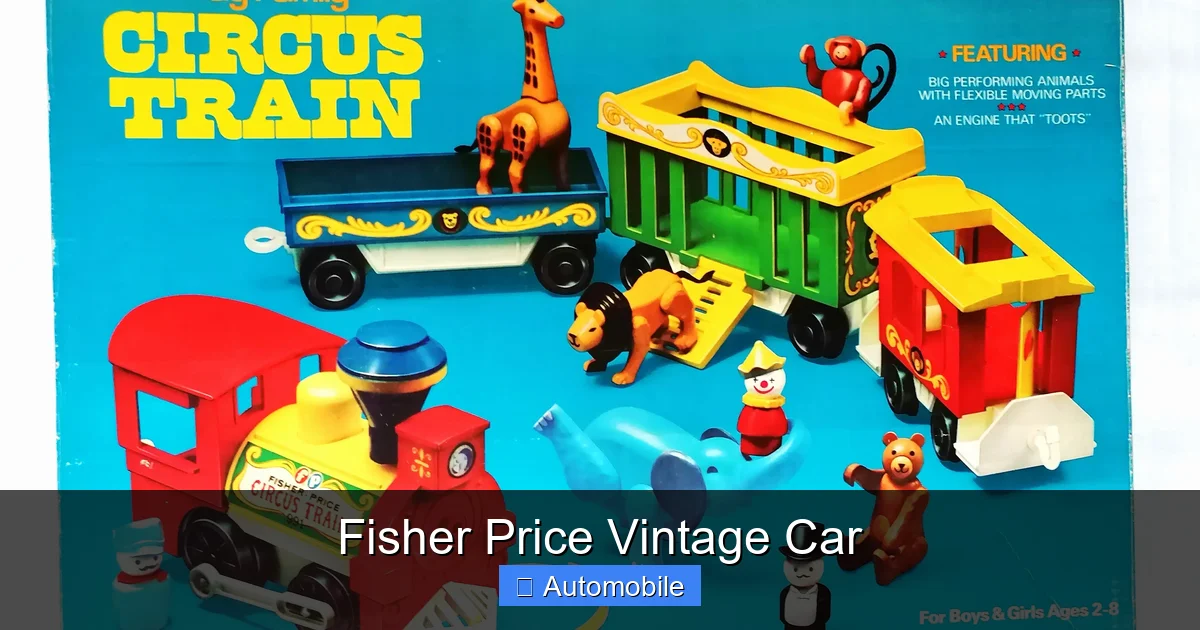
Fisher-Price vintage cars hold a special place in the hearts of collectors and enthusiasts alike, embodying nostalgia and timeless play. From the beloved Little People vehicles to sturdy ride-on toys, these durable, simply designed plastic and wooden cars recall simpler times, offering both collectible value and enduring appeal for new generations. They represent a tangible link to childhood memories, celebrated for their robust construction and charming aesthetics.
Fisher Price Vintage Car
Step back in time for a moment. Do you remember the distinct smell of plastic and wood, the simple, chunky shapes, and the vibrant colors of your childhood toys? For many of us, those memories often include a beloved Fisher-Price vintage car. These aren’t just toys; they’re tiny time capsules, carrying the joy of play from one generation to the next. They evoke a powerful sense of nostalgia, reminding us of simpler times and endless hours of imaginative adventures.
Fisher-Price, a company synonymous with quality and innovative children’s toys since 1930, has produced an incredible array of vehicles over the decades. From the iconic Little People cars that fit perfectly in small hands to larger, ride-on automobiles that sparked grand backyard adventures, each Fisher-Price vintage car tells a story. They were built to last, designed with a child’s development in mind, and crafted with an honesty in materials that is truly appreciated today.
What makes these vintage vehicles so special? Is it their robust construction, their timeless design, or the sheer warmth of the memories they represent? Perhaps it’s a combination of all these factors. Join us as we take a delightful journey through the world of Fisher-Price vintage cars, exploring their history, identifying popular models, offering tips for collectors, and guiding you on how to care for these treasured pieces of play history. Whether you’re a seasoned collector or just someone looking to reconnect with a piece of your past, there’s a charming story waiting within every classic Fisher-Price car.
Key Takeaways
- Enduring Appeal: Fisher-Price vintage cars are cherished for their nostalgic value, simple design, and remarkable durability, making them popular with both collectors and parents seeking classic toys.
- Iconic Models: The range includes beloved Little People vehicles, the larger, robust Husky Helper series, various Push & Pull cars, and charming ride-on toys like the classic Fire Truck or School Bus, each offering unique play experiences.
- Collectibility Factors: The value of a Fisher-Price vintage car depends heavily on its condition, rarity, the completeness of sets (especially with Little People figures), and the presence of original decals or accessories.
- Identification is Key: Collectors should look for manufacturing marks, model numbers, and dates often found on the underside of the toy, which help in authenticating and valuing the item.
- Restoration & Care: Gentle cleaning with mild soap and water is often sufficient for minor grime. For more significant repairs or restoration, careful research and appropriate materials are essential to preserve the toy’s integrity.
- Community & Resources: A vibrant community of Fisher-Price vintage car enthusiasts exists online, offering valuable resources, identification guides, and platforms for buying, selling, and sharing knowledge.
Quick Answers to Common Questions
What materials were early Fisher-Price vintage cars made from?
Early Fisher-Price vintage cars, especially from the 1930s-1960s, were primarily made from Ponderosa pine wood and lithographed paper illustrations, often with plastic wheels.
What is the most iconic line of Fisher-Price vintage cars?
The Fisher-Price Little People series is arguably the most iconic line, featuring a wide array of vehicles like the classic school bus, police car, and fire truck, designed to fit the chunky Little People figures.
How can I identify the age of a Fisher-Price vintage car?
Look for manufacturing marks, model numbers, the Fisher-Price logo (which has evolved), and copyright dates often molded or stamped onto the underside of the toy. Online collector guides can help cross-reference these marks.
What is the most important factor for a Fisher-Price vintage car’s value?
The condition of the Fisher-Price vintage car is the most critical factor, including cleanliness, intact decals, absence of cracks or breakages, and the presence of all original parts.
Can I clean an old Fisher-Price vintage car?
Yes, you can clean most Fisher-Price vintage cars with a soft cloth or sponge, warm water, and a small amount of mild dish soap. Be gentle, especially around decals, and avoid harsh chemicals.
📑 Table of Contents
The Enduring Legacy of Fisher-Price Cars
Fisher-Price’s journey into creating toy vehicles began quite early in its history, rooted in the company’s philosophy of producing durable, engaging toys that encouraged development. Founded by Herman Fisher, Irving Price, Helen Schelle, and Margaret Evans Price, the company initially focused on wooden pull toys. It wasn’t long before wheels, axles, and the concept of movement became central to their designs, laying the groundwork for the beloved Fisher-Price vintage car.
Early Innovations and Materials
In the early decades, particularly from the 1930s through the 1960s, many Fisher-Price toys, including their early cars and trucks, were primarily made from Ponderosa pine wood and lithographed paper illustrations, often with plastic wheels. This combination gave them a unique charm and incredible sturdiness. Toys like the “Snoopy Sniffer” pull toy, while not strictly a car, demonstrated Fisher-Price’s early mastery of incorporating movement and character into wheeled toys. As technology advanced and plastics became more prevalent and affordable in the mid-20th century, Fisher-Price skillfully integrated them into their designs. This shift allowed for new shapes, colors, and functionalities, while still maintaining the brand’s commitment to durability and safety. The transition marked an evolution, moving towards the more recognizable plastic and wood composite Fisher-Price vintage car designs we often see today.
A Spectrum of Vehicles
The range of vehicles produced by Fisher-Price is vast and impressive. It spans everything from simple push-along cars for toddlers to more complex playsets featuring multiple vehicles and figures. They didn’t just make cars; they made entire worlds for children to explore. Think of the bustling airport, the busy fire station, or the quaint farm – each brought to life by a fleet of specific vehicles designed to fit within that imaginative universe. This comprehensive approach ensured that a child’s play experience was not just limited to a single toy, but expanded into a rich, interactive environment. Every Fisher-Price vintage car was designed with a purpose, to stimulate imagination and encourage active play, proving that simple toys can often be the most profound.
Iconic Fisher-Price Vintage Car Models
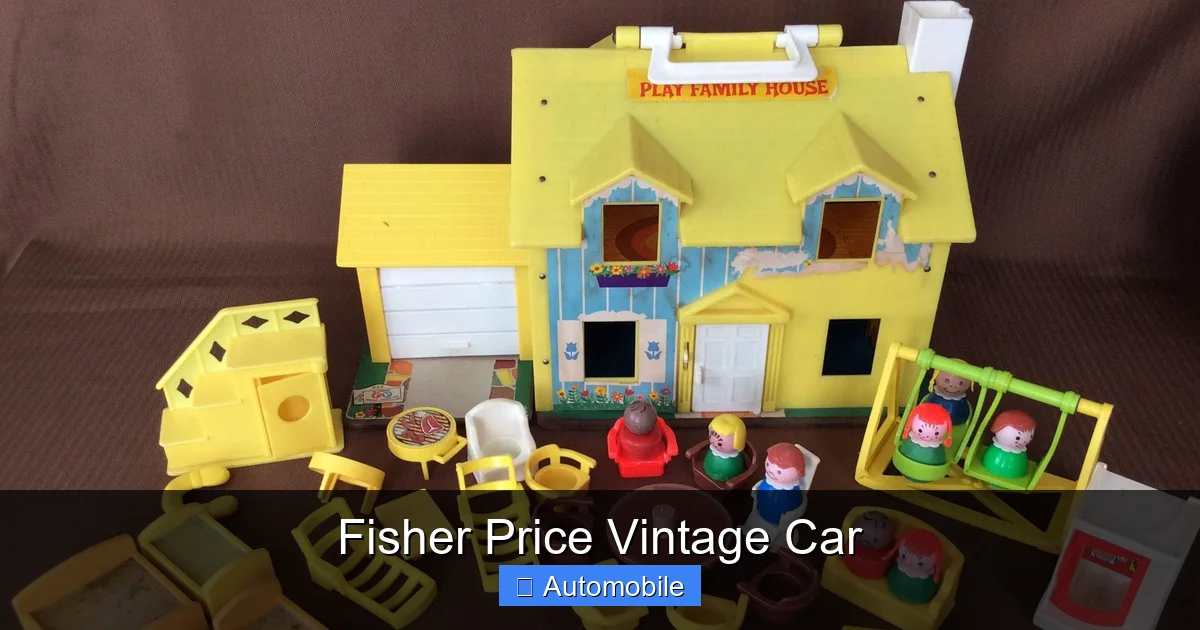
Visual guide about Fisher Price Vintage Car
Image source: imgix.ranker.com
When we talk about a Fisher-Price vintage car, we’re often thinking of specific models that have left an indelible mark on generations of children. These are the toys that many collectors actively seek out, not just for their rarity, but for the sheer joy and memories they embody.
Little People Vehicles: A Miniaturized World
Perhaps the most famous line featuring vehicles is the Fisher-Price Little People series. Introduced in the early 1960s, these chunky, easy-to-grasp figures were perfect companions for an equally charming array of vehicles. The classic Little People school bus, with its smiling face and jiggling passengers, is an instantly recognizable Fisher-Price vintage car. Other popular models included the police car, fire truck, ambulance, various cars, and even airplanes. What made these vehicles so special was their integration into a broader play system. Children could load their Little People into cars, drive them to the farm, park them at the garage, or embark on a fantastic adventure. The simplicity and robustness of these plastic and wood composite vehicles ensured they could withstand countless hours of imaginative play. Each Little People Fisher-Price car was designed to be easily manipulated by small hands, promoting fine motor skills and storytelling.
Robust Ride-Ons: Adventures on Wheels
Beyond the smaller collectible cars, Fisher-Price also created an impressive line of ride-on vehicles. These larger, durable toys allowed children to become the drivers of their own adventures. Models like the iconic “Fisher-Price Fire Truck” or the “Kiddie Kar” were staples in many homes and nurseries. Often made from sturdy plastic with wide, stable wheels, these ride-ons were built for active play, both indoors and out. A Fisher-Price vintage car in this category often features bright colors, engaging designs, and sometimes even functional elements like a ringing bell on the fire truck or a honking horn. These larger vehicles fostered gross motor skills, coordination, and independent play, making them not just fun, but also developmentally beneficial.
The “Look-See” Cars and Push-Along Wonders
Another charming category of Fisher-Price vintage car includes the “Look-See” vehicles, known for their clear plastic windows that allowed children to peer inside and see moving gears or characters. Toys like the “Mickey Mouse Push-Along Car” or the “Racing Roadster” were not just appealing to the eye but also engaging, providing a peek into their mechanical workings. Beyond these, Fisher-Price also produced a wide variety of simpler push-along cars and trucks, often with friendly faces or whimsical designs, designed for the youngest players. These often featured integrated drivers or characters, making them complete play pieces in themselves. Each iteration of a Fisher-Price vintage car, whether intricate or simple, shared the common thread of durability and imaginative appeal.
Why Collect Fisher-Price Vintage Cars?
The allure of collecting a Fisher-Price vintage car goes far beyond mere accumulation. For many, it’s a deeply personal journey, intertwining nostalgia, aesthetics, and a appreciation for well-made toys.
Tapping into Childhood Memories
The most significant draw for collectors is often nostalgia. Holding a Fisher-Price vintage car can transport you back to your own childhood, to a time of innocence and boundless imagination. These toys are tangible links to personal history, evoking feelings of comfort, joy, and simplicity. They are reminders of a time when toys were less complex, relying on a child’s creativity rather than electronic bells and whistles. Collectors often seek out the specific models they played with, or ones that remind them of beloved toys from their youth, making each Fisher-Price vintage car a treasured relic.
The Appeal of Simple Design
Fisher-Price vintage cars are celebrated for their straightforward, robust designs. They weren’t overly complicated; their charm lay in their bold colors, friendly faces, and the satisfying feel of their sturdy construction. This minimalist aesthetic, often combining plastic with natural wood elements, has a timeless quality that appeals to both adults and children today. In an age of digital overload, the tactile, unpretentious nature of a classic Fisher-Price car offers a refreshing contrast. They are durable, safe, and designed for open-ended play, encouraging children to create their own stories rather than follow prescribed narratives.
Educational and Developmental Value
Beyond nostalgia and aesthetics, many parents are drawn to Fisher-Price vintage cars for their inherent educational and developmental benefits. These toys were designed to promote various skills:
- Fine Motor Skills: Manipulating small Little People figures into their cars, pushing and pulling vehicles.
- Gross Motor Skills: Riding on larger ride-on toys, pushing heavier vehicles.
- Imaginative Play: Creating scenarios, characters, and stories around their vehicles.
- Problem Solving: Understanding how vehicles move, fitting pieces together.
These benefits, combined with their non-toxic materials and lasting quality, make a Fisher-Price vintage car a smart choice for modern families who appreciate classic play.
Identifying and Valuing Your Fisher-Price Vintage Car
For anyone delving into the world of collecting, or simply trying to understand the worth of a childhood treasure, knowing how to identify and value a Fisher-Price vintage car is crucial. It’s a blend of detective work and market awareness.
Decoding the Markings: Dates and Manufacturers
The first step in identifying any Fisher-Price vintage car is to look for markings. Most Fisher-Price toys, especially from the 1960s onwards, will have identifying information molded or stamped onto their plastic or wooden bases. Look for:
- The Fisher-Price Logo: This has evolved over the years, so recognizing older logos can help date the toy.
- Manufacturing Location: Many toys were made in East Aurora, NY, USA, but production later expanded globally.
- Model Numbers: These numbers are invaluable for cross-referencing with online databases or collector guides to pinpoint the exact model and year of production.
- Copyright Dates: Often, a year will be molded into the plastic, indicating the patent or initial production date, though not always the exact year of your specific toy’s manufacture.
Carefully inspect all surfaces, including the underside, inside of battery compartments (if applicable), and even wheels for these clues.
The Condition Conundrum: What to Look For
The condition of a Fisher-Price vintage car significantly impacts its value. Collectors prioritize items that are as close to original condition as possible. Key aspects to assess include:
- Cleanliness: Free from excessive dirt, grime, or mold.
- Decals and Stickers: Are they present and intact? Fading, peeling, or missing decals can reduce value considerably.
- Color Fading: Exposure to sunlight can cause plastics to fade unevenly.
- Cracks or Breakages: Especially common in high-stress areas like axles, wheel wells, or hinges.
- Missing Parts: Are all wheels present? Does it still have its original Little People figures if it’s a vehicle from that line? Are accessories like ladders on a fire truck intact?
- Functionality: If it’s a pull toy, does the string still have its original pull knob? Does it make its intended sounds or movements?
A Fisher-Price vintage car in “mint” or “near mint” condition, especially with its original box, will always command the highest prices.
Market Value and Rarity
Valuing a Fisher-Price vintage car involves understanding its rarity and current market demand. Some items were produced in much smaller quantities or for shorter periods, making them rarer. Limited editions, promotional items, or variations in design can also increase rarity. Online marketplaces (eBay, Etsy), dedicated collector forums, and antique toy shows are excellent resources for gauging current market prices. Compare your item to recently sold items in similar condition, rather than just listed prices, to get a realistic estimate. Remember, the sentimental value of your Fisher-Price car might far outweigh its monetary worth, which is perfectly fine for personal treasures!
Restoration and Care for Your Vintage Treasures
Owning a Fisher-Price vintage car often comes with the responsibility of preserving its charm for years to come. Whether you’re a collector aiming to maintain value or simply want to display a cherished childhood toy, proper care and gentle restoration are key.
Gentle Cleaning Techniques
Most Fisher-Price vintage cars, being robust, can handle a good cleaning. However, it’s crucial to be gentle, especially with older items or those with delicate decals.
- Mild Soap and Water: For general grime, a soft cloth or sponge with warm water and a small amount of mild dish soap is usually sufficient. Avoid harsh chemicals or abrasive cleaners, which can damage plastic, fade colors, or strip decals.
- Toothbrushes for Crevices: A soft-bristled toothbrush can carefully get into nooks and crannies, around wheels, or under axles.
- Drying: Always air dry thoroughly, or use a soft towel. Ensure no water is left trapped inside hollow plastic components, as this can lead to mold over time.
- Decal Care: Be extra careful around paper or plastic decals. If they are already peeling, moisture can worsen the damage. Consider using a very lightly dampened Q-tip around them, or avoid wetting them altogether.
The goal is to remove dirt without causing further wear to your beloved Fisher-Price vintage car.
Repairing Common Wear and Tear
Some wear and tear are inevitable with toys that have been well-loved. Minor repairs can often be undertaken at home, but always proceed with caution.
- Loose Wheels/Axles: For wooden axles, a small amount of wood glue might help stabilize them. For plastic axles, if they’re not cracked, a very small drop of super glue (applied carefully) can sometimes re-secure a loose wheel, but be mindful of permanent adhesion.
- Cracked Plastic: Small cracks in non-structural plastic can sometimes be mended with a strong plastic adhesive or epoxy. However, be aware that these repairs are often visible and may not restore full strength. For highly visible areas, consider if the repair detracts more than the crack itself.
- Missing Decals: Reproduction decals are available from specialized online vendors for many popular Fisher-Price vintage car models. These can significantly enhance the appearance of a worn toy, though original decals are always preferred by purist collectors.
- Rust on Metal Parts: For small areas of surface rust on metal axles or screws, a gentle polish with fine-grade steel wool or a rust-removing solution (used sparingly and carefully) can improve appearance. Always wipe clean and dry thoroughly afterward.
Remember, sometimes the signs of play – the scuffs, the faded spots – are part of the toy’s story and charm. Not every imperfection needs to be “fixed” on a Fisher-Price vintage car.
Safe Storage and Display
Once your Fisher-Price vintage car is clean and cared for, proper storage and display are essential for its long-term preservation.
- Avoid Direct Sunlight: UV rays can cause plastic to become brittle and colors to fade irreversibly. Display your toys away from windows or direct sunlight.
- Control Temperature and Humidity: Extreme fluctuations in temperature or high humidity can damage plastics, wood, and decals. A stable, moderate environment is ideal.
- Dust Protection: Displaying items in a closed cabinet or on a shelf where they can be regularly dusted helps prevent grime buildup.
- Safe Handling: When moving or cleaning your Fisher-Price vintage car, always handle it gently to avoid accidental drops or stress on fragile parts.
By following these simple care tips, your Fisher-Price vintage car can continue to bring joy and evoke happy memories for many years to come.
The Future of Fisher-Price Vintage Cars
The enduring popularity of the Fisher-Price vintage car speaks volumes about its timeless design and inherent play value. In an increasingly digital world, these classic toys offer a refreshing return to tangible, imaginative play. They serve as a bridge between generations, allowing parents and grandparents to share stories of their own childhoods while creating new memories with their children.
The collecting community for Fisher-Price vintage cars continues to thrive, fueled by online forums, social media groups, and dedicated websites. This community not only facilitates buying and selling but also provides a wealth of knowledge for identifying, valuing, and restoring these cherished items. As more people discover the joy of these classic toys, the legacy of the Fisher-Price vintage car will only continue to grow, securing its place as a beloved icon in the history of play.
In conclusion, the Fisher-Price vintage car is more than just a toy; it’s a piece of cultural history, a trigger for nostalgia, and a testament to the power of simple, well-designed playthings. From their humble beginnings in wood and lithographs to their iconic status in the Little People universe and beyond, these vehicles have brought countless hours of joy. Whether you’re a seasoned collector, a parent seeking quality toys for your child, or simply someone reminiscing about days gone by, the charm and character of a classic Fisher-Price car remain as captivating as ever. So, go ahead, take a closer look at that old toy car in the attic, or perhaps begin a new collection – you might just rediscover a piece of pure magic.
🎥 Related Video: Vintage 80's Fisher Price Drag Car Toy Price & Value
📺 Rocky Mountain Curiosity Shop
this vintage toy car is available on eBay at the following link: …
Frequently Asked Questions
What makes Fisher-Price vintage cars so popular with collectors?
Fisher-Price vintage cars are popular due to their strong nostalgic appeal, reminding collectors of their childhoods. Their durable construction, simple yet charming designs, and the inherent play value they offer also contribute significantly to their collectibility.
Are all Fisher-Price vintage cars made of plastic?
No, not all Fisher-Price vintage cars are made solely of plastic. Early models often incorporated wood and lithographed paper, especially from the 1930s through the 1960s, while later models increasingly used sturdy plastics, sometimes combined with wood elements.
Where can I buy Fisher-Price vintage cars?
You can find Fisher-Price vintage cars on various online marketplaces like eBay and Etsy, at antique stores, flea markets, garage sales, and through dedicated collector groups or forums online. Local toy shows and conventions might also feature them.
How do I know if a Fisher-Price vintage car is rare?
Rarity for a Fisher-Price vintage car is often determined by production numbers, the length of time a model was produced, and whether it was a special edition. Consulting online collector guides, forums, and comparing it to other listings can give you an idea of its scarcity.
Is it safe for children to play with old Fisher-Price vintage cars?
Generally, older Fisher-Price toys are considered safe due to their robust construction and simple designs, lacking small, easily detachable parts common in modern toys. However, always inspect a Fisher-Price vintage car for any sharp edges, broken pieces, or lead-based paint (especially on very old, painted wooden toys from before safety regulations) before letting a child play with it.
What’s the best way to display a Fisher-Price vintage car collection?
The best way to display a Fisher-Price vintage car collection is in an area protected from direct sunlight, extreme temperatures, and high humidity to prevent damage and fading. Closed display cabinets or shelves that allow for easy dusting are ideal for preserving their condition and showcasing their charm.