Understanding car window tinting prices is key to making an informed decision. Costs vary greatly based on film type, vehicle size, and installer expertise, ranging from budget-friendly dyed films to premium ceramic options. Professional installation ensures quality and compliance with local laws.
Car Window Tinting Prices
Have you ever gazed at a car with perfectly tinted windows and thought, “Wow, that looks sharp!”? Or maybe you’ve endured a long drive with the sun relentlessly beating down, wishing you had some relief. Car window tinting isn’t just about aesthetics; it offers a fantastic blend of style, comfort, and protection. It can transform your driving experience, making your vehicle cooler, more private, and even safer.
But, like any car upgrade, the big question often comes down to cost: what are the actual car window tinting prices? It’s not a one-size-fits-all answer, as many factors come into play. From the type of film you choose to the specific vehicle you drive, and even where you live, the price can fluctuate significantly. Our goal today is to demystify these costs, break down the variables, and help you understand what you should expect to pay for a quality window tinting job.
In this comprehensive guide, we’re going to explore everything you need to know about car window tinting prices. We’ll dive deep into the different types of tint films, explain how your car’s make and model influence the cost, and even touch upon the differences between professional installation and attempting a DIY project. By the end, you’ll be well-equipped to make an informed decision, ensuring you get the best value for your money and enjoy all the benefits that tinted windows have to offer. Let’s get started on understanding car window tinting prices!
Key Takeaways
- Price Varies Widely: Car window tinting prices can range from $100 for basic dyed film on a coupe to over $800 for high-performance ceramic or crystalline film on larger vehicles.
- Film Type is a Major Factor: Dyed film is the cheapest, followed by metalized, carbon, and then ceramic or crystalline films which offer superior heat rejection and UV protection at a higher cost.
- Vehicle Size Matters: Larger vehicles like SUVs, trucks, and vans typically cost more to tint than smaller cars like coupes and sedans due to more windows and larger surface areas.
- Professional Installation is Recommended: While DIY kits exist, professional installers offer expertise, quality materials, proper tools, and warranties, ensuring a superior, bubble-free, and legally compliant result.
- Local Laws are Crucial: Window tinting regulations vary by state and even county, particularly regarding Visual Light Transmission (VLT) percentages for front and rear windows. Always check local laws before tinting.
- Consider the Warranty: Reputable tint shops offer warranties on both the film and the installation, protecting your investment against bubbling, peeling, or fading.
- Old Tint Removal Adds Cost: If your car already has old, faded, or peeling tint, expect an additional charge, usually between $25-$75 per window or $75-$150 for a full car, to safely remove it before new tint can be applied.
Quick Answers to Common Questions
How long does car window tinting usually take?
Professional car window tinting typically takes between 1.5 to 4 hours for a full car, depending on the vehicle type, number of windows, and the installer’s experience. Older tint removal can add another 1-2 hours.
Can I tint my car windows myself to save money?
While DIY tint kits are available and cheaper upfront, professional installation is highly recommended. Achieving a flawless, bubble-free, and legally compliant tint is very difficult for amateurs and often results in a poor finish or film needing to be redone.
What is VLT, and why is it important for tinting?
VLT stands for Visual Light Transmission, indicating the percentage of visible light passing through your windows. It’s crucial because states have specific legal VLT limits for different windows, and exceeding these can lead to fines or needing to remove the tint.
Will window tint interfere with my car’s electronics?
Older metalized films can sometimes interfere with GPS, radio, or cell phone signals. However, modern carbon and ceramic films are non-metallic and do not cause electronic interference, making them a popular choice.
How long does window tint last?
The lifespan of car window tint depends on the film quality and proper installation. High-quality carbon or ceramic films, professionally installed, can last 5-10 years or even longer without bubbling, peeling, or significant fading. Cheaper dyed films might only last 1-3 years.
📑 Table of Contents
Understanding the Factors Influencing Car Window Tinting Prices
When you start looking into car window tinting prices, you’ll quickly realize there’s a wide range. This isn’t just random; several key factors contribute to the final cost. Knowing these elements will help you understand why one quote might be higher or lower than another, and what you’re truly paying for.
Type of Tint Film: The Core Cost Driver
The material of the tint film is perhaps the most significant determinant of car window tinting prices. Different films offer varying levels of performance, durability, and features, which naturally come with different price tags.
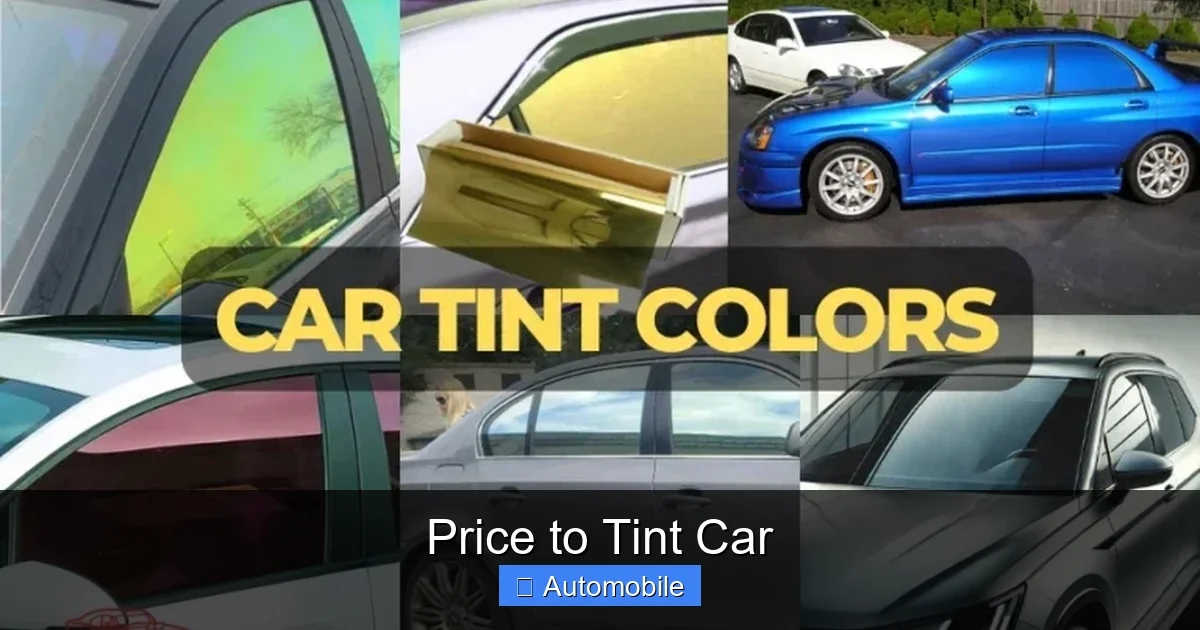
- Dyed Film: This is the most basic and affordable option. Dyed film gets its color from dye particles embedded in the film. It’s great for privacy and looks good, but it’s not the best for heat rejection or UV protection. Over time, it can fade and turn purple. Expect to pay anywhere from $100 to $250 for a full car tint with dyed film.
- Metalized Film: Metalized films have tiny metal particles embedded within the film. These particles reflect heat and UV rays, offering better performance than dyed films. They are more durable and resist fading. However, the metal can sometimes interfere with electronic signals like GPS, cell phone reception, or radio. Car window tinting prices for metalized film usually range from $150 to $350.
- Carbon Film: Carbon window tint doesn’t use metal. Instead, it uses carbon particles to block heat and UV rays. It provides excellent heat rejection, a stylish matte finish, and won’t interfere with electronics. Carbon film is also more durable than dyed film and won’t fade. You can expect car window tinting prices for carbon film to be in the $200 to $450 range.
- Ceramic Film: This is a premium choice. Ceramic films contain microscopic ceramic particles that are non-metallic and non-conductive. They are superior at blocking heat, UV rays (up to 99%!), and glare without interfering with electronics. Ceramic tint is highly durable, resists fading, and provides exceptional clarity. Naturally, this superior performance comes at a higher cost. Car window tinting prices for ceramic film typically fall between $350 and $800, or even more for larger vehicles.
- Crystalline (IR Rejection) Film: Also a high-end option, crystalline film (sometimes called IR rejection film) is designed to provide maximum heat rejection and UV protection while being almost completely clear. It’s perfect for those who want the benefits of tint without the dark appearance, often used on windshields or cars in areas with strict tint laws. It’s usually priced similarly to or even higher than ceramic film, often starting at $400 and going upwards of $900 for a full vehicle.
Vehicle Type and Size
The size and complexity of your vehicle significantly impact car window tinting prices. More windows, larger windows, and curved windows all require more material and more labor.
- Coupes and Sedans: Smaller cars with fewer windows (typically 5-7 windows) are generally the least expensive to tint.
- SUVs and Trucks: These vehicles have more windows, often larger ones, and sometimes rear cargo windows or truck cab windows. This increases both material and labor costs.
- Vans and Specialty Vehicles: With many windows and complex shapes, vans can be among the most expensive. Luxury or sports cars might also incur higher costs due to delicate trim or intricate window designs.
Number of Windows to Tint
You might not want to tint every window. Some people only tint the front two doors, while others opt for everything but the windshield. A full car tint will always be more expensive than partial tinting. Tinting just a few windows will obviously lower the overall car window tinting prices.
Geographical Location
Just like many services, car window tinting prices can vary depending on where you live. Shops in major metropolitan areas with higher overheads and cost of living often charge more than those in rural areas. Competition among tint shops in a particular area can also influence pricing.
Installer’s Expertise and Reputation
A highly experienced and reputable tint shop with skilled technicians will likely charge more than a new or less experienced installer. You’re paying for their expertise, precision, attention to detail, and the assurance of a clean, bubble-free installation with a good warranty. Cheaper options might lead to subpar results, including bubbles, peeling, or improper film cutting.
Warranty and Guarantees
Good tint shops stand by their work and products. A comprehensive warranty on both the film (against fading, peeling, bubbling) and the installation is a strong indicator of quality. While it might slightly increase car window tinting prices upfront, it offers peace of mind and protection for your investment in the long run.
Old Tint Removal
If your car already has old, faded, or peeling tint, it needs to be carefully removed before new tint can be applied. This is a labor-intensive process that adds to the overall cost. Expect an additional fee, typically ranging from $75 to $150 for a full car, or $25-$75 per window.
Average Car Window Tinting Prices by Film Type and Vehicle
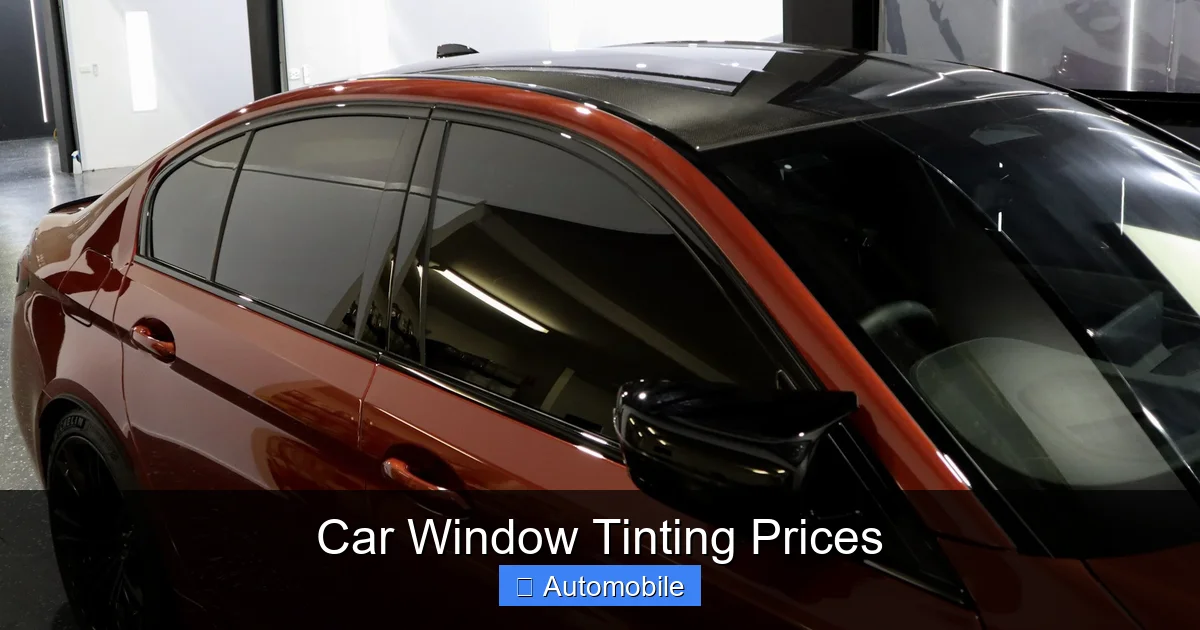
Visual guide about Car Window Tinting Prices
Image source: tinthaus.com.au
Let’s break down some average car window tinting prices based on common scenarios. Keep in mind these are estimates, and actual prices may vary.
Typical Price Ranges for a Standard Sedan (5-7 windows)
- Dyed Film: $100 – $250
- Metalized Film: $150 – $350
- Carbon Film: $200 – $450
- Ceramic Film: $350 – $800
- Crystalline/IR Rejection Film (often for windshield or specific windows): $150 – $350 per window, or $400 – $900 for a full car application if desired.
Pricing for Larger Vehicles (SUVs, Trucks, Vans – 7+ windows)
For larger vehicles, you can generally add 15-30% to the sedan prices due to more material and labor.
- Dyed Film: $150 – $300
- Metalized Film: $200 – $450
- Carbon Film: $250 – $550
- Ceramic Film: $450 – $1000+
Partial Tinting Options
Sometimes, you just want specific windows tinted.
- Front Two Windows Only (coupe/sedan):
- Dyed: $50 – $100
- Metalized: $75 – $150
- Carbon: $100 – $200
- Ceramic: $150 – $300
- Rear Windows Only (sedan): Generally around 60-70% of a full car tint price for that film type.
- Windshield Strip (visor strip): $25 – $75 (often included with a full tint package).
These car window tinting prices are just averages. Always get multiple quotes from different shops to compare.
DIY vs. Professional Car Window Tinting
When considering car window tinting prices, you might wonder about the DIY route. Is it worth saving some money? Let’s explore.
The Allure of DIY Tinting
DIY tint kits are readily available online and at auto parts stores, often for as little as $20-$100 for enough film for a few windows. This seems incredibly attractive compared to professional car window tinting prices. The idea is to save money by doing the labor yourself.
The Realities and Risks of DIY
While the initial cost is low, DIY tinting comes with significant challenges:
- Difficulty: Applying tint film perfectly is much harder than it looks. It requires a steady hand, patience, and a clean, dust-free environment.
- Bubbles and Creases: It’s extremely common for DIY projects to end up with bubbles, creases, or dust trapped under the film, which looks unsightly and reduces visibility.
- Poor Adhesion: Without proper surface preparation and tools, the film might not adhere well and could peel quickly.
- Cutting Errors: Cutting the film to the exact shape of your windows without professional tools is difficult and often results in gaps or uneven edges.
- Waste: You might go through several rolls of film trying to get it right, potentially negating your initial cost savings.
- Lack of Warranty: DIY tint typically has no warranty on the film or installation.
- Legality: Understanding and applying film that complies with local VLT (Visual Light Transmission) laws can be tricky without specialized meters.
Ultimately, while DIY might save you on car window tinting prices initially, it often leads to frustration, wasted money, and a result that you might eventually pay a professional to fix or replace (which incurs removal fees).
Benefits of Professional Installation
Hiring a professional might seem like a higher upfront cost, but it usually offers better long-term value.
- Expertise and Experience: Professionals have the training and experience to apply tint flawlessly, ensuring a smooth, bubble-free finish.
- Quality Materials: Reputable shops use high-quality, durable films designed to last, resisting fading, peeling, and bubbling.
- Specialized Tools: They have the right tools for precision cutting, cleaning, and application, ensuring a perfect fit and finish.
- Clean Environment: Professional shops typically have controlled environments to minimize dust and debris during installation.
- Warranty: Most professionals offer warranties on both the film and their workmanship, giving you peace of mind.
- Legal Compliance: They are knowledgeable about local tint laws and can advise you on legal VLT percentages for your vehicle, helping you avoid fines.
When you factor in the quality, durability, warranty, and peace of mind, the slightly higher professional car window tinting prices are usually a worthwhile investment.
Navigating Tinting Laws: A Crucial Consideration
Before you even think about car window tinting prices, you absolutely must understand your local tinting laws. Tinting regulations are set by individual states, and they can vary significantly. Ignoring these laws can lead to fines, failed inspections, or even having to remove the tint.
Visual Light Transmission (VLT)
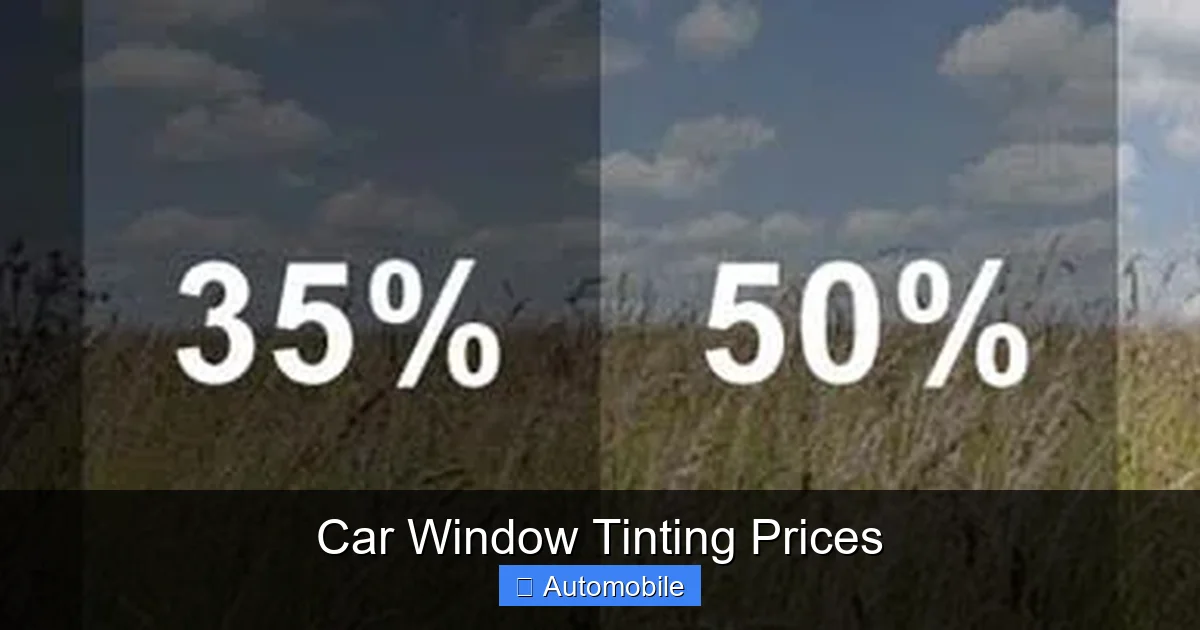
The most important factor is VLT, which stands for Visual Light Transmission. This number indicates the percentage of visible light that passes through your car windows. A lower VLT percentage means a darker tint. For example, 5% VLT is very dark (limo tint), while 70% VLT is nearly clear.
Common State-Specific Rules
- Front Side Windows: Many states have stricter VLT limits for the front driver and passenger windows, often requiring 35% VLT or higher (lighter tint) to ensure visibility for the driver and law enforcement. Some states might even prohibit tinting these windows entirely or allow only a very light tint.
- Rear Side Windows and Rear Window: Laws for these windows are often more lenient, allowing for darker tints, sometimes as low as 5% or 15% VLT.
- Windshield: Most states only allow a tint strip at the very top of the windshield (usually above the AS-1 line or the top 4-6 inches) to act as a sun visor. Full windshield tinting, if allowed, typically requires a very high VLT (e.g., 70% or 80%).
- Color Restrictions: Some states prohibit certain tint colors like red, amber, or blue.
- Medical Exemptions: A few states offer medical exemptions for individuals with certain conditions that make them sensitive to sunlight, allowing for darker tint than typically permitted. This usually requires a doctor’s note.
A professional tint shop will be knowledgeable about your local laws and can guide you on legal options. Always double-check with your state’s DMV or local law enforcement for the most current regulations to ensure your investment in car window tinting prices is legally sound.
Tips for Getting the Best Value for Your Car Window Tinting Investment
Now that you have a good grasp of car window tinting prices and factors affecting them, here are some tips to help you get the best value without compromising on quality.
1. Get Multiple Quotes
Don’t settle for the first quote you receive. Contact at least 3-4 reputable tint shops in your area. Provide them with the same information (your vehicle make/model, desired film type, and windows to be tinted) so you can compare car window tinting prices apples-to-apples.
2. Read Reviews and Check Portfolios
Online reviews (Google, Yelp, Facebook) are invaluable. Look for consistent positive feedback regarding quality of work, customer service, and warranty fulfillment. Many shops also showcase their work on social media or their websites. This helps you gauge their skill and attention to detail.
3. Understand the Warranty
A good warranty protects your investment. Ask about the duration of the warranty for both the film (e.g., against fading, bubbling, peeling) and the installation (e.g., against errors in application). A lifetime warranty on both is ideal. Make sure you understand what voids the warranty (e.g., using ammonia-based cleaners).
4. Ask About Film Brands
Reputable shops use well-known, high-quality film brands (e.g., Llumar, 3M, Xpel, SunTek, Global). Ask what brands they use and do a quick search to ensure they have a good reputation for durability and performance.
5. Don’t Always Go for the Absolute Cheapest
While it’s tempting to pick the lowest car window tinting prices, remember the adage: “You get what you pay for.” Extremely low prices can indicate inexperienced installers, subpar film quality, or a lack of warranty. A slightly higher investment upfront can save you headaches and money in the long run.
6. Prepare Your Vehicle
Before you bring your car in, give it a good wash. While the tint shop will clean the windows, a clean exterior can prevent dust from getting trapped and generally makes the job easier for the installer. Remove any personal items from the immediate vicinity of the windows.
7. Understand Aftercare
After installation, there’s usually a curing period (typically 3-7 days) during which you shouldn’t roll down your windows. Ask the installer about specific aftercare instructions, especially regarding cleaning products. Ammonia-based cleaners can damage tint film. Use mild soap and water or tint-safe cleaners.
Conclusion
Choosing to tint your car windows is a fantastic decision that offers a multitude of benefits, from enhanced privacy and style to significant heat and UV protection. While the initial question of “car window tinting prices” might seem daunting due to the wide range of options, understanding the factors involved empowers you to make a smart choice.
Remember, the cost is primarily influenced by the type of film you select, the size of your vehicle, and the expertise of the installer. While DIY kits offer a low entry point, professional installation almost always guarantees a superior, longer-lasting result with the added peace of mind of a warranty and adherence to local laws.
By taking the time to research, compare quotes, and choose a reputable installer, you can ensure that your investment in car window tinting prices pays off with years of comfortable, stylish, and protected driving. Enjoy the cool, private, and sleek look your newly tinted windows will bring!
🎥 Related Video: Revealing My Window Tinting Prices – The Tint Factory
📺 Window tint training
In this video I will tell you the main 4 reason why you need window tint for your car. Ready to book your next window tint in …
Frequently Asked Questions
What is the most affordable type of window tint?
The most affordable type of window tint is typically dyed film. It’s an entry-level option that provides privacy and a darker look but offers minimal heat rejection and UV protection, and it can fade over time.
Is ceramic tint worth the higher price?
Yes, ceramic tint is generally considered worth the higher price due to its superior performance. It offers excellent heat rejection, blocks almost all UV rays, provides great clarity, doesn’t interfere with electronics, and is very durable.
Do car window tinting prices include old tint removal?
No, typically car window tinting prices do not include the removal of old tint. If your vehicle has existing tint that needs to be removed, expect an additional charge, which can range from $75-$150 for a full car.
Can I get my windshield tinted?
Most states allow a tint strip at the top of the windshield, usually within the AS-1 line or the top 4-6 inches, to act as a sun visor. Full windshield tinting is often restricted to very light VLT percentages (e.g., 70% or 80%) or is completely prohibited, so check your local laws.
How do I maintain my tinted windows?
To maintain your tinted windows, avoid rolling them down for at least 3-7 days after installation to allow them to cure. When cleaning, use a soft cloth and a non-ammonia-based cleaner, or simply mild soap and water, to prevent damage to the film.
What are the benefits of tinting my car windows?
Tinting your car windows offers numerous benefits, including increased privacy, reduced interior heat, protection from harmful UV rays (which can also prevent interior fading), reduced glare while driving, enhanced aesthetic appeal, and added security by making it harder to see valuables inside.