Getting your car windows tinted offers numerous benefits, from enhanced privacy and UV protection to improved aesthetics. However, the car window tinting price can vary significantly based on several key factors, making it essential to understand what you’re paying for. This comprehensive guide breaks down the elements influencing the cost, helps you navigate different tinting options, and provides practical advice to ensure you get the best value for your investment without compromising on quality or legality.
There’s something undeniably appealing about tinted car windows. Maybe it’s the sleek, custom look they give your ride, or perhaps it’s the sense of privacy and cool comfort they provide on a scorching day. Whatever your reason, if you’re considering tinting your car windows, one of the first questions that pops into mind is likely: “What will this cost me?” Understanding the car window tinting price isn’t always straightforward, as it’s not a one-size-fits-all number. It’s a spectrum, influenced by a myriad of factors that can swing the total from a couple of hundred dollars to upwards of a thousand.
Think of it like buying a new pair of shoes. You can get a basic, functional pair for a modest sum, or you can splurge on a high-performance, designer pair that offers specific benefits and commands a premium. Car window tinting is much the same. The materials used, the complexity of your vehicle, where you live, and who does the installation all play a significant role in determining the final bill. But don’t worry, we’re here to break down every aspect of the car window tinting price, helping you navigate the options and make an informed decision that suits both your budget and your needs.
In this comprehensive guide, we’ll peel back the layers of tinting costs, exploring everything from the different types of films available and their unique characteristics to the pros and cons of professional versus DIY installation. We’ll also dive into how your specific vehicle affects the price, the importance of legal compliance, and crucial tips for getting the best value for your money. By the end of this read, you’ll feel confident and equipped to choose the perfect tint for your car, knowing exactly what influences the car window tinting price and what to expect from your investment.
Key Takeaways
- Price Variability: Car window tinting price is highly variable, ranging from $100 for basic DIY kits to over $800 for premium professional ceramic tint on complex vehicles.
- Film Type Matters Most: The material of the tint film (dyed, metalized, carbon, ceramic, crystalline) is the primary driver of cost, with ceramic and crystalline films being the most expensive due to superior performance.
- Professional vs. DIY: While DIY kits are cheaper upfront, professional installation offers higher quality, better durability, a warranty, and avoids costly mistakes, making it a better long-term investment.
- Factors Beyond Film: Vehicle size and type (e.g., number of windows, curved glass), installer’s reputation and location, and included warranty significantly influence the final car window tinting price.
- Legal Compliance is Crucial: Each state has specific Visible Light Transmittance (VLT) laws. Ensure your chosen tint complies with local regulations to avoid fines and potential removal costs, which impacts the overall value of your car window tinting price.
- Get Multiple Quotes: Always obtain several detailed quotes from reputable installers, comparing not just the car window tinting price but also film types, warranties, and services included to make an informed decision.
Quick Answers to Common Questions
What’s the average car window tinting price?
The average professional car window tinting price typically ranges from $200 to $600 for a full vehicle, depending heavily on the film type, vehicle size, and location.
Is ceramic tint worth the higher car window tinting price?
Yes, for most drivers, ceramic tint is worth the higher car window tinting price due to its superior heat rejection, UV protection, durability, and lack of signal interference.
Does car window tinting price include all windows?
Typically, a quoted car window tinting price for a “full car” includes all side and rear windows. The windshield (except for a top strip) and sunroofs are usually extra.
How long does car window tinting usually take?
Professional car window tinting for a full vehicle usually takes between 1.5 to 4 hours, depending on the number of windows, vehicle complexity, and the installer’s experience.
Can I save money on car window tinting price by doing it myself?
While DIY kits have a lower upfront car window tinting price, successful application is challenging, and many attempts result in poor quality that may require costly professional removal and reinstallation.
📑 Table of Contents
What Influences Car Window Tinting Price?
The cost of tinting your car windows isn’t pulled out of thin air. Several key elements come together to form the final car window tinting price. Understanding these factors will empower you to compare quotes effectively and make smart choices.
Type of Tint Film
This is arguably the biggest factor influencing the car window tinting price. Films vary significantly in material, performance, and durability. You’ll find options like basic dyed film, metalized film, carbon film, ceramic film, and even high-tech crystalline film. Each offers different levels of heat rejection, UV protection, glare reduction, and signal interference, directly impacting its cost. We’ll dive deeper into each type shortly, but know that choosing a premium film like ceramic can easily double or triple your overall car window tinting price compared to a basic dyed film.
Number and Size of Windows
It makes sense, right? A two-door coupe with smaller windows will generally cost less to tint than a large SUV with a full set of windows, including a rear liftgate. More glass means more material and more labor, directly affecting the car window tinting price. Some installers might quote per window, while others offer packages for full vehicles. Don’t forget specialty windows like sunroofs or windshield strips, which might be extra.
Vehicle Type and Complexity
Not all car windows are created equal. Flat windows are much easier and quicker to tint than highly curved or unusually shaped windows, which require more skill and time to apply without creases or bubbles. Luxury cars, sports cars, and certain SUVs often have more complex window geometries, which can increase the labor time and thus the overall car window tinting price. For instance, a Tesla Model 3’s large, curved rear window is known to be more challenging to tint than a more traditional sedan’s rear window.
Geographic Location
Just like real estate or any other service, the cost of living and local market demand can influence the car window tinting price. You might find prices are higher in major metropolitan areas or regions with a higher cost of doing business compared to rural areas. Competition among tint shops in a particular area can also drive prices up or down, so it’s always wise to check local rates.
Installer Experience and Reputation
You get what you pay for, and this often holds true in the tinting world. Highly experienced and reputable tint shops, especially those with certified installers and a strong portfolio of quality work, typically charge more. Their expertise means a flawless, long-lasting installation, and they often use higher-quality tools and techniques. Opting for a cheaper, less experienced installer might save you money upfront, but it could lead to bubbles, peeling, or a poor finish, potentially costing you more in the long run if you need it redone. A good warranty often comes with a higher initial car window tinting price from a reputable shop.
Warranty and Guarantees
A good warranty is a sign of a reputable installer and quality film. Most professional tint jobs come with a warranty against bubbling, peeling, fading, and cracking. This warranty can range from a few years to a lifetime. Shops offering comprehensive warranties usually factor this into their car window tinting price, providing peace of mind that your investment is protected.
Types of Window Tint Films and Their Costs
Understanding the different types of films is crucial for grasping why the car window tinting price varies so widely. Each film type offers distinct benefits and comes at a different price point.
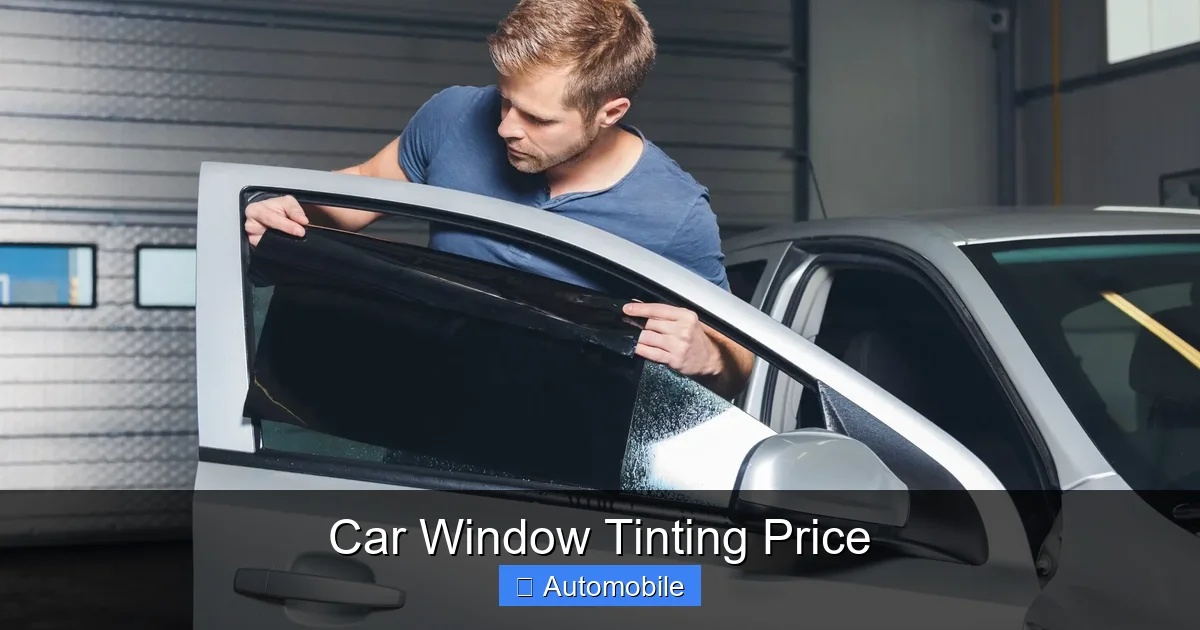
Visual guide about Car Window Tinting Price
Image source: lirp.cdn-website.com
Dyed Tint (Approx. $100-$250 for a full car)
This is the most basic and affordable option. Dyed film gets its dark appearance from a layer of dye. It primarily provides privacy and reduces glare, absorbing solar heat rather than reflecting it. The downside is that it offers minimal heat rejection and can fade or turn purple over time, especially with prolonged sun exposure. It’s an entry-level option if your main goal is aesthetics and basic privacy, impacting the car window tinting price minimally.
Metalized Tint (Approx. $150-$350 for a full car)
Metalized films incorporate tiny metallic particles within the film. These particles are excellent at reflecting heat and UV rays, providing superior heat rejection compared to dyed films and enhancing the tint’s strength against shattering. However, the metallic content can interfere with electronic signals, such as GPS, radio, cell phone service, or keyless entry systems. This is a good mid-range option for those seeking better performance without a huge jump in car window tinting price.
Carbon Tint (Approx. $200-$450 for a full car)
Carbon tint uses carbon particles to provide its dark, matte finish. It offers excellent heat rejection and doesn’t interfere with electronic signals because it contains no metal. Carbon films are also very durable and resistant to fading, maintaining their color over time. They provide a step up in performance and aesthetics from dyed and metalized films, often with a slightly higher car window tinting price, but without the signal interference issues.
Ceramic Tint (Approx. $300-$800+ for a full car)
Ceramic tint is considered a premium option and is increasingly popular for its superior performance. It contains microscopic ceramic particles that are non-metallic, meaning no signal interference. Ceramic films excel at blocking infrared (IR) heat and harmful UV rays (often up to 99%), offering exceptional heat rejection while maintaining optical clarity. They are highly durable, resistant to glare, and provide excellent comfort inside the vehicle. The significant performance benefits come with a higher car window tinting price, but many find the investment worthwhile for the enhanced comfort and protection.
Crystalline Tint (Approx. $400-$1000+ for a full car)
This is a specialized type of tint that’s virtually clear, making it perfect for those who want the benefits of tint without the dark appearance, or for windshields where dark tint is often illegal. Crystalline films use multiple layers of nano-technology to block an incredible amount of heat (up to 60% IR heat rejection) and UV rays, similar to or even better than some darker ceramic tints. It’s ideal for states with strict VLT laws or for drivers who prioritize heat rejection and UV protection above all else, and it commands the highest car window tinting price due to its advanced technology.
Hybrid Tint
Some films are hybrids, combining elements of different types, such as a layer of dyed film with a metalized layer. These aim to strike a balance between performance and price, offering better heat rejection than pure dyed films without the full cost or potential signal interference of pure metalized options. The car window tinting price for hybrid films typically falls in the mid-range.
DIY vs. Professional Installation: Cost & Quality
When considering the car window tinting price, you’ll inevitably encounter the debate: should I do it myself or hire a professional? While DIY seems cheaper upfront, there are significant differences in quality and long-term value.
DIY Kits & Their Hidden Costs
DIY tint kits are readily available online and at auto parts stores, often costing as little as $30-$100 for enough film to do a full car. This low initial car window tinting price is very tempting. However, the application process is notoriously difficult for amateurs. You’ll need specialized tools (squeegees, heat gun, utility knife, cleaning solutions), a dust-free environment, and a lot of patience and skill. Common DIY mistakes include bubbles, creases, peeling edges, trapped dust or lint, and uneven cuts. If the tint fails, you’re out the cost of the film, your time, and potentially the cost of removal and professional reinstallation. The “hidden cost” here is the likelihood of a botched job and the subsequent need for professional correction, negating any initial savings on the car window tinting price.
Benefits of Professional Installation
- Expertise and Precision: Professional installers have the experience, training, and specialized tools to apply tint flawlessly. They know how to handle complex window shapes, ensure proper adhesion, and achieve a smooth, bubble-free finish.
- Quality Materials: Reputable shops use high-quality, professional-grade films that are more durable, offer better performance, and are less prone to fading or peeling than consumer-grade DIY films.
- Warranty: Most professional installations come with a warranty, covering defects like bubbling, peeling, or fading. This provides peace of mind and protects your investment, often justifying a higher initial car window tinting price.
- Legal Compliance: Professionals are knowledgeable about local tinting laws and can guide you to compliant VLT levels, helping you avoid fines and legal issues.
- Time-Saving: A professional can tint your entire car in just a few hours, saving you the considerable time and frustration of a DIY attempt.
- Clean Removal: If needed, professional tint can often be removed cleanly without damaging the window, unlike poorly applied DIY tint that can leave adhesive residue.
While the professional car window tinting price is higher (typically $200-$800+), the longevity, quality, and peace of mind often make it the more cost-effective and satisfying choice in the long run.
Decoding the Tinting Quote: What to Expect
When you get quotes for your car window tinting, it’s important to understand what’s included and what might be an add-on. Don’t just look at the bottom line; compare apples to apples.
Standard Package vs. Premium Packages
Most tint shops offer different tiers of service, much like the film types themselves. A “standard package” might include basic dyed film for all side and rear windows, reflecting a lower car window tinting price. Premium packages, on the other hand, will typically feature carbon or ceramic films, possibly with enhanced warranties or additional services, resulting in a higher cost.
- Standard (Basic Film): Often includes dyed or basic metalized film. Focuses on privacy and aesthetics. Generally has a shorter warranty (e.g., 1-5 years).
- Mid-Range (Carbon/Hybrid Film): Offers better heat rejection and durability than basic films, often without signal interference. Comes with a better warranty (e.g., 5-10 years).
- Premium (Ceramic/Crystalline Film): Provides top-tier heat rejection, UV protection, and durability with no signal interference. Usually comes with a lifetime warranty. This is where you’ll see the highest car window tinting price.
Add-ons and Extras
Be aware of potential extra charges that can increase the overall car window tinting price:
- Windshield Strip/Full Windshield Tint: Many shops offer a small strip across the top of the windshield for glare reduction. Full windshield tint (often crystalline, due to legality) is a separate, more expensive service.
- Sunroof Tinting: If your car has a sunroof, tinting it is usually an additional cost.
- Tint Removal: If you have old, faded, or bubbling tint that needs to be removed before new film can be applied, this will incur an extra charge (typically $50-$150, depending on the difficulty).
- Specialty Films: If you opt for highly specialized films for unique needs (e.g., security film), expect a higher premium on the car window tinting price.
- Cleaning & Prep: While basic cleaning should be included, extensive detail work prior to tinting might be extra.
Always ask for a detailed breakdown of the quote, specifying the film type, number of windows, warranty details, and any included or excluded services. This transparency helps you understand the true car window tinting price.
Legal Aspects and Their Impact on Price
Before you even think about the car window tinting price, it’s crucial to understand the legal restrictions in your area. Tint laws vary significantly by state and even by municipality, primarily revolving around Visible Light Transmittance (VLT).
VLT Regulations
VLT refers to the percentage of visible light that passes through your car windows. A lower VLT number means a darker tint (e.g., 5% VLT is very dark, often called “limo tint,” while 70% VLT is nearly clear). Most states have specific VLT limits for front side windows, rear side windows, and the rear window. The front windshield usually has very strict limits, often only allowing a small strip at the top to be tinted, if at all.
For example, some states might allow 35% VLT on front side windows, 20% on rear side windows, and any darkness on the rear window. Others might have a uniform 50% VLT limit for all windows behind the driver. Installing tint darker than legally allowed can lead to:
- Fines: You could receive a ticket with a hefty fine.
- Mandatory Removal: Law enforcement might require you to remove the illegal tint, adding an unexpected cost to your car window tinting price.
- Failed Inspections: Your car might not pass state safety inspections.
- Insurance Issues: In some cases, illegal modifications could impact insurance claims.
State-Specific Laws and Enforcement
It’s your responsibility as the vehicle owner to know and comply with your state’s tint laws. A reputable tint shop will be knowledgeable about local regulations and should guide you to legal options. They might even refuse to install illegally dark tint on certain windows to protect themselves and their customers. Don’t push for illegal tint; it’s simply not worth the hassle and potential additional costs down the line. Always verify the laws for your specific state or check with your DMV before making a final decision on the tint level, as this indirectly impacts your overall car window tinting price by preventing future fines.
Maximizing Value: Tips for Smart Tinting Choices
Now that you’re armed with knowledge about the factors influencing the car window tinting price, here are some practical tips to ensure you get the best value for your investment.
Research and Get Multiple Quotes
Don’t settle for the first quote you receive. Contact at least 3-5 reputable tint shops in your area. Provide them with the same information: your vehicle make and model, the specific windows you want tinted, and your desired performance level (e.g., “good heat rejection, no signal interference”). Ask for quotes for different film types (e.g., carbon and ceramic) to compare the car window tinting price across various quality levels.
When comparing quotes, look beyond just the dollar amount. Ask:
- What specific film brand and type are they quoting?
- What VLT percentages are they recommending, and are they legal in your state?
- What does the warranty cover, and for how long? Is it transferable?
- Are there any additional fees (e.g., old tint removal, cleaning)?
- Check online reviews and ask for examples of their work.
Understand Warranties Thoroughly
A good warranty is a testament to the quality of the film and the installer’s confidence in their work. Don’t hesitate to ask detailed questions about what the warranty covers (e.g., bubbling, peeling, fading, cracking) and what voids it. A lifetime warranty on a premium film from a reputable installer offers excellent long-term value, even if the initial car window tinting price is higher.
Consider Your Needs vs. Budget
Before you even start getting quotes, define your priorities. Are you primarily looking for privacy and a cool look, or is maximum heat rejection and UV protection your main concern? Do you drive a lot in sunny climates? Do you have sensitive skin or young children who need extra UV protection? Aligning your needs with your budget will help you narrow down the film types and ultimately determine a reasonable car window tinting price for you.
- Budget-conscious: Dyed film offers basic privacy and aesthetics.
- Mid-range performance: Carbon or hybrid films balance heat rejection and cost.
- Premium performance & comfort: Ceramic or crystalline films are best, but come with the highest car window tinting price.
Remember, the cheapest option isn’t always the best value. Investing a bit more upfront for a higher-quality film and professional installation can save you money and headaches in the long run by providing superior performance and durability, ultimately making the initial car window tinting price a worthwhile investment.
Conclusion
Deciding to tint your car windows is a great way to enhance comfort, privacy, and the aesthetic appeal of your vehicle. While the prospect of understanding the car window tinting price can seem daunting at first, breaking it down into its core components makes the decision-making process much clearer. From the type of film you choose to the reputation of your installer and the specific needs of your vehicle, every factor plays a role in the final cost.
Remember that investing in quality pays off. Opting for professional installation and a reputable film, even if it means a higher initial car window tinting price, will likely provide you with a superior, longer-lasting product that performs better and comes with the peace of mind of a solid warranty. Always research local laws, gather multiple detailed quotes, and prioritize your specific needs to ensure you make the smartest choice for your car and your wallet.
Ultimately, a well-chosen and professionally installed window tint isn’t just an expense; it’s an investment in your comfort, the protection of your car’s interior, and the overall enjoyment of your driving experience. By understanding the nuances of the car window tinting price, you’re now empowered to make a decision that you’ll be happy with for years to come.
🎥 Related Video: 20% window tint too dark or not dark enough? Installing nano ceramic window tints all around!
📺 Tint God
Frequently Asked Questions
How long does window tint last?
The lifespan of window tint varies significantly by film quality. Basic dyed tints might only last 1-3 years before fading or bubbling, while high-quality carbon or ceramic films, professionally installed, can last 5-10 years or even the lifetime of the vehicle.
Will tinting my windows affect my car’s warranty?
Professionally installed window tint typically will not void your car’s manufacturer warranty, especially if done by a reputable shop. However, check your specific vehicle warranty details to be sure, and always choose a quality installer.
Can car window tint be removed?
Yes, car window tint can be removed, but the process can be tricky and time-consuming, especially if the tint is old or poorly applied. Professionals can remove tint cleanly, but DIY removal often leaves behind stubborn adhesive residue.
Is darker tint better for heat rejection?
Not necessarily. While darker tints block more visible light, modern ceramic and crystalline films can block a significant amount of heat (infrared radiation) and UV rays even at lighter VLTs. A darker dyed film might offer less heat rejection than a lighter ceramic film.
What is VLT and why is it important for tinting?
VLT stands for Visible Light Transmittance and refers to the percentage of visible light that passes through the window. It’s crucial because legal limits for VLT vary by state and are enforced to ensure driver visibility and law enforcement safety.
How do I maintain my tinted windows?
To maintain your tinted windows, avoid cleaning them for 3-5 days after installation to allow proper curing. After that, use a soft cloth and an ammonia-free cleaner. Never use abrasive sponges or harsh chemicals, which can scratch or damage the film.