Understanding car window tint prices is crucial for smart car owners. This comprehensive guide breaks down the various factors influencing the cost, from different film types like dyed, carbon, and ceramic, to vehicle size and professional installation quality. You’ll learn what to expect, how to budget effectively, and make an informed decision for your vehicle’s upgrade.
Car Window Tint Prices
Thinking about giving your car that sleek, shaded look? Or perhaps you’re tired of your interior baking in the summer sun? Car window tinting offers a fantastic solution, blending style with practical benefits like reduced heat, UV protection, and enhanced privacy. It’s a popular upgrade for a good reason! But before you jump in, one of the most common questions people ask is, “What are the car window tint prices?” And it’s a great question, because the answer isn’t always straightforward.
Just like buying a new set of tires or getting a custom paint job, the cost of tinting your car windows can vary quite a bit. It’s not just a single price tag you can apply to every vehicle. Several factors come into play, from the type of film you choose to the kind of car you drive, and even where you live. Understanding these variables will help you budget effectively and make an informed decision that gives you the best value for your money. Let’s dive deep into the world of car window tint prices, breaking down everything you need to know to get the perfect tint for your ride without breaking the bank.
Key Takeaways
- Film Type is Key: The material of the tint (dyed, metallic, carbon, ceramic, crystalline) is the biggest driver of car window tint prices, with ceramic and crystalline being the most expensive due to superior heat rejection and durability.
- Vehicle Size Matters: Larger vehicles with more windows, like SUVs and trucks, generally have higher car window tint prices than smaller sedans or coupes due to increased material and labor needs.
- Professional Installation is Recommended: While DIY kits are cheaper, professional installation ensures a flawless finish, proper adherence to legal standards, and often comes with a warranty, making the investment worthwhile.
- Location and Reputation Influence Cost: Car window tint prices can vary by geographical region and the reputation of the installer; established shops often charge more but offer better service and guarantees.
- Factor in Hidden Costs: Don’t forget potential extra costs like old tint removal, specific window-only tinting, or special requests that can add to the overall car window tint prices.
- Legal Compliance is Crucial: Research your local state laws regarding tint darkness (VLT%) to avoid fines and ensure your tint choice is legal before installation.
Quick Answers to Common Questions
What’s the cheapest type of car window tint?
The cheapest type of car window tint is typically dyed film, which offers basic privacy and glare reduction at the lowest car window tint prices, usually ranging from $99-$199 for a full car.
Do car window tint prices vary by state?
Yes, car window tint prices can vary by state and even by city, influenced by local cost of living, competition among shops, and specific regional market demands.
Is removing old tint an extra cost?
Typically, yes. If your car has existing tint that needs to be removed, most shops will charge an additional fee for this service, usually ranging from $50-$150, as it requires extra time and effort.
Can I tint my car windows myself to save money?
While DIY tint kits are inexpensive, professional installation is strongly recommended. DIY jobs often result in bubbles, creases, or peeling, costing more in the long run to fix or re-do, thus impacting overall car window tint prices.
How much does ceramic tint usually cost for a full car?
Ceramic tint is a premium option, and car window tint prices for a full car typically range from $350 to $700 or more, depending on the vehicle type and installer, due to its superior heat rejection and durability.
📑 Table of Contents
- Understanding Car Window Tint Prices: What Influences the Cost?
- A Breakdown of Tint Film Types and Their Costs
- Average Car Window Tint Prices by Vehicle Type
- DIY vs. Professional Installation: Cost vs. Quality
- Factors Beyond the Film: Hidden Costs and Considerations
- Smart Ways to Save Money on Car Window Tinting
- Conclusion: Making an Informed Decision on Car Window Tint Prices
Understanding Car Window Tint Prices: What Influences the Cost?
When you start looking into car window tint prices, you’ll quickly realize there’s a spectrum of options. This isn’t just about how dark you want your windows to be; it’s about the technology behind the film and the expertise of the people installing it. Knowing these influencing factors is the first step in estimating your total cost.
Type of Tint Film: The Biggest Price Driver
The kind of tint film you select will have the most significant impact on car window tint prices. Different films offer varying levels of performance, durability, and features, and their prices reflect this.
- Dyed Tint: This is the most basic and affordable option. It uses a layer of dye to absorb heat and block light. While it provides privacy and reduces glare, it’s less effective at heat rejection and can fade or turn purple over time. Expect the lowest car window tint prices here.
- Metallic Tint: These films contain tiny metallic particles embedded in the film. They’re more durable and better at reflecting heat and UV rays than dyed tints. However, the metal can interfere with GPS signals, cell service, and radio reception. The car window tint prices for metallic tint are usually a step up from dyed.
- Carbon Tint: Carbon-based films offer a matte finish that doesn’t fade and provides excellent heat rejection without the signal interference issues of metallic tints. They also block a good amount of UV rays. These are a popular mid-range choice, and their car window tint prices reflect their enhanced performance.
- Ceramic Tint: Widely considered the premium option, ceramic tints contain microscopic ceramic particles that are non-conductive and non-metallic. They excel at blocking heat, UV rays, and glare without interfering with electronic signals. They also offer superior durability and scratch resistance. Ceramic car window tint prices are significantly higher, but many find the benefits worth the investment.
- Crystalline Tint: This is a specialized ceramic-based film designed to be almost clear while still offering incredible heat and UV rejection. It’s perfect for those who want the benefits of tinting without changing the aesthetic of their windows, especially if local laws restrict dark tints. Crystalline films are at the very top of car window tint prices.
Vehicle Type and Number of Windows
It makes sense that a smaller car with fewer windows will generally cost less to tint than a large SUV or truck with many windows. More glass means more material and more labor time.
- Sedans/Coupes: Typically 2-4 windows, often the most affordable.
- SUVs/Trucks: Usually 6-8 windows, sometimes including a rear cargo window, leading to higher car window tint prices.
- Vans: Can have numerous windows, often making them the most expensive to tint fully.
Quality of Installation and Installer Reputation
A cheap tint job might look good for a few weeks, but poor installation can lead to bubbles, peeling, and a generally messy appearance. Experienced, reputable installers use higher-quality tools, have refined techniques, and often provide a warranty on their work. Their expertise justifies slightly higher car window tint prices, but it’s an investment in a flawless and long-lasting finish.
Geographical Location
Just like many services, car window tint prices can fluctuate based on your geographical location. Shops in major metropolitan areas or regions with higher costs of living generally have higher prices than those in rural areas. Competition among shops can also influence pricing.
Warranty and Guarantees
Many reputable tint shops offer warranties on both the film and the installation. This is a crucial factor to consider. A good warranty covers bubbling, peeling, fading, and cracking for a specified period, sometimes even for the lifetime of the vehicle. While this might slightly increase the initial car window tint prices, it provides peace of mind and protection for your investment.
A Breakdown of Tint Film Types and Their Costs
Let’s get more specific about what you might expect to pay for each type of film. Keep in mind these are average ranges and can vary significantly based on the factors mentioned above. These car window tint prices typically refer to a full car tint (all windows except the windshield, which is often done with a clear film if at all).
Dyed Window Tint Prices
For a basic, full car tint with dyed film, you might expect to pay anywhere from $99 to $199. This is the entry-level option, offering privacy and glare reduction, but with less heat rejection and a higher chance of fading over time. It’s suitable for those on a tight budget primarily seeking aesthetics and basic privacy.
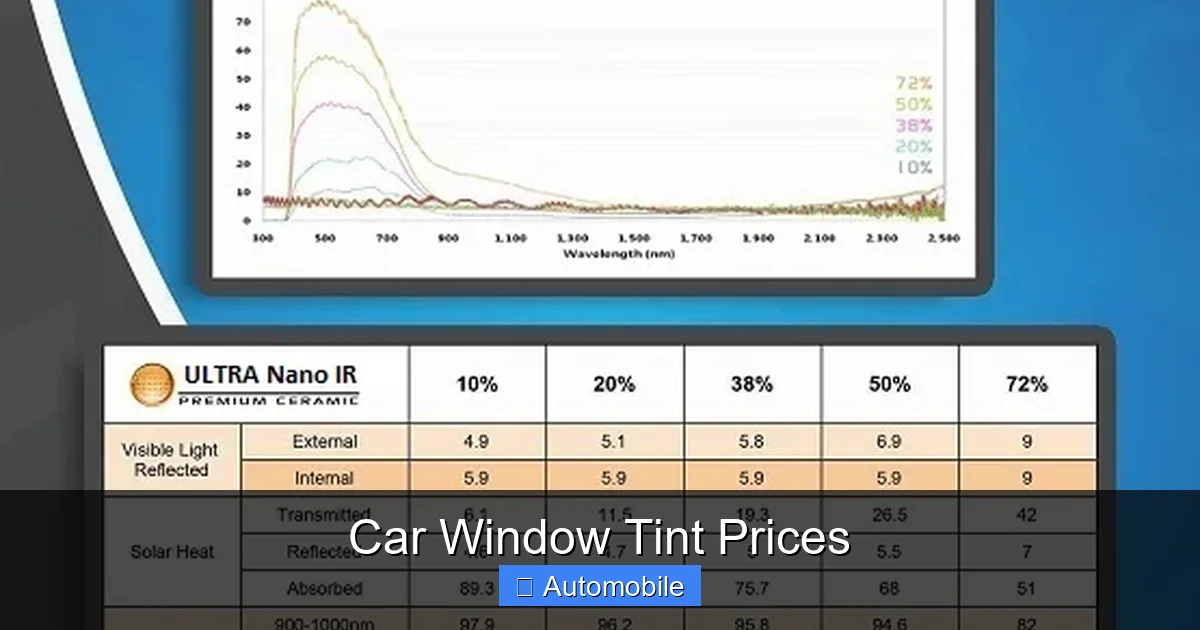
Visual guide about Car Window Tint Prices
Image source: autoworks-nj.com
Metallic Window Tint Prices
Metallic tint generally falls in the range of $150 to $300 for a full car. It offers better heat rejection and durability than dyed film due to the metallic particles. However, be mindful of potential interference with GPS, radio, and cell signals, which is a common trade-off for its improved performance over dyed films.
Carbon Window Tint Prices
Carbon film is a popular mid-range choice, with car window tint prices typically between $200 and $400 for a full vehicle. It provides excellent heat rejection, a non-reflective matte finish, and won’t interfere with your electronics. It also offers good UV protection and is more stable over time compared to dyed or metallic options, making it a great value.
Ceramic Window Tint Prices
Stepping up to ceramic tint means investing more, with car window tint prices ranging from $350 to $700+ for a full car. This premium film is highly effective at blocking heat and UV rays without any signal interference. It’s incredibly durable, scratch-resistant, and offers superior comfort. Many consider the higher cost worthwhile for the significant performance benefits and longevity.
Crystalline Window Tint Prices
Crystalline film sits at the top end of the spectrum, with car window tint prices often starting from $400 and going upwards of $800+ for a full car. This specialized ceramic-based film is designed for maximum heat and UV rejection while being virtually clear. It’s perfect for situations where dark tint isn’t desired or allowed, offering performance without altering your car’s appearance.
Average Car Window Tint Prices by Vehicle Type
As we discussed, the size and number of windows on your car play a significant role in the overall car window tint prices. Here’s a general breakdown:
Sedans and Coupes (2-4 Doors)
For most sedans and coupes, a full car tint (excluding the windshield) typically ranges from $99 to $600+. The lower end would be for dyed film, while the higher end is for premium ceramic or crystalline options. If you only want the front two windows tinted, expect prices from $50 to $200+ depending on the film type.
SUVs and Trucks
SUVs and trucks have more glass, so their car window tint prices are generally higher. A full tint job (including cargo windows) can range from $150 to $800+. Again, the specific film type will dictate where on this scale your cost falls. Just tinting the front two windows on an SUV or truck will likely cost similar to a sedan, usually $60 to $250+.
Vans and Specialty Vehicles
Vans, especially passenger vans with many windows, will naturally have the highest car window tint prices due to the sheer amount of material and labor required. Full tinting for a van could range from $300 to $1,000+. Specialty vehicles with unique window shapes or sizes might also incur higher costs.
DIY vs. Professional Installation: Cost vs. Quality
When considering car window tint prices, you might be tempted by the idea of a DIY tint kit. These kits are definitely cheaper upfront, but they come with a significant set of challenges and risks.
DIY Tint Kits: Lower Upfront Cost, Higher Risk
DIY tint kits can be found for as little as $20 to $50 per roll, which seems incredibly appealing compared to professional prices. However, applying window tint properly requires precision, a clean environment, specific tools, and a lot of patience. Common DIY pitfalls include bubbles, creases, dust trapped under the film, uneven cuts, and improper adhesion. If done poorly, the tint will look unsightly, may not perform as expected, and can even peel off, forcing you to remove it and start over (or pay a professional to fix it).
Professional Installation: The Smart Investment
While professional car window tint prices are higher, they offer immense value. A reputable installer provides:
- Expertise: They know how to handle different types of film and the intricacies of various car window shapes.
- Quality Materials: Professionals typically use high-grade films that last longer and perform better than generic DIY kits.
- Proper Tools: They have the right squeegees, heat guns, and cutting tools for a perfect, seamless finish.
- Clean Environment: Shops are usually climate-controlled and dust-free, minimizing imperfections.
- Warranty: Most professionals offer warranties on both their labor and the film, giving you peace of mind.
Ultimately, paying for professional installation means you’re paying for a job done right the first time, a clean look, optimal performance, and a guarantee against common issues. This often saves you money and frustration in the long run compared to a botched DIY attempt.
Factors Beyond the Film: Hidden Costs and Considerations
Besides the film type and installation, there are other important elements that can affect your total car window tint prices. Being aware of these helps you avoid surprises.
Old Tint Removal
If your car already has old, faded, or peeling tint, it needs to be removed before new film can be applied. This process is time-consuming and can be tricky, especially if the old tint is brittle or poorly installed. Many shops charge an additional fee for tint removal, typically ranging from $50 to $150 per car, depending on the difficulty. Always ask if this is included in your quote or if it’s an extra cost.
Legal Tint Regulations
This isn’t a “cost” in the traditional sense, but ignoring state and local tint laws can lead to expensive fines and the need to remove your tint, effectively doubling your car window tint prices if you have to pay for removal and re-tinting. Every state has different laws regarding how dark your tint can be (measured in VLT%, or Visible Light Transmission) on different windows. Always check your local laws before choosing a tint darkness.
- Front Side Windows: Often have stricter VLT% limits.
- Rear Side Windows and Rear Window: Tend to have more lenient or no VLT% limits.
- Windshield: Usually only a non-reflective strip at the top is allowed.
A reputable installer will be knowledgeable about local laws and can guide you to compliant options.
Specialty Services or Requests
Do you need just a “brow” on the top of your windshield? Or perhaps only your sunroof tinted? These specific requests might have different pricing structures than a full-car tint. Some shops also offer “clear bra” or paint protection film (PPF) as an add-on, which is a different product but might be offered in a package deal. Always clearly communicate your needs to get an accurate quote for car window tint prices.
Smart Ways to Save Money on Car Window Tinting
While quality is key, there are ways to manage car window tint prices without compromising too much on the end result.
- Shop Around for Quotes: Don’t settle for the first quote you get. Contact 3-5 different reputable tint shops in your area and compare their car window tint prices, film options, and warranties.
- Choose the Right Film for Your Needs: Do you really need top-of-the-line ceramic, or would a carbon film suffice for your climate and budget? Understand your priorities (heat rejection, privacy, aesthetics) and select a film that matches without overspending.
- Consider a Partial Tint: If a full car tint is too expensive, consider tinting just the front two windows (if legal) or the back half of the car. This significantly reduces car window tint prices.
- Look for Package Deals: Sometimes shops offer discounts if you combine tinting with other services, or during off-peak seasons. Keep an eye out for promotions.
- Ask About Financing: Some shops might offer financing options, allowing you to pay for the service over time, making higher car window tint prices more manageable.
Conclusion: Making an Informed Decision on Car Window Tint Prices
Investing in car window tinting is an excellent way to enhance your vehicle’s comfort, style, and protection. From the moment you step into your car on a hot day, to the added privacy you feel, the benefits are clear. While car window tint prices can vary widely, understanding the factors that influence these costs — like film type, vehicle size, and the quality of installation — empowers you to make a smart choice.
Don’t just chase the lowest price; prioritize value, quality, and a reliable warranty. A well-installed, high-quality tint will last for years, providing consistent performance and a great look. By doing your research, comparing quotes, and choosing a reputable installer, you can ensure that your investment in car window tinting pays off in comfort, aesthetics, and protection for the long haul. Drive cool, drive safely, and enjoy your newly tinted ride!
🎥 Related Video: How to Choose the RIGHT Window Tint | Don't Make A Mistake
📺 Chicago Auto Pros
Picking the correct Window Tint Film for your vehicle is absolutely crucial. There are many different types of film to choose from, …
Frequently Asked Questions
What is VLT% and why does it matter for car window tint prices?
VLT% stands for Visible Light Transmission, indicating how much light passes through the tint. It matters because each state has specific legal limits for VLT% on different windows, and choosing a tint that complies with these laws is crucial to avoid fines and costly re-tinting, influencing your overall car window tint prices.
How long does car window tinting usually take?
Professional car window tinting for a full vehicle typically takes anywhere from 2 to 4 hours, depending on the vehicle’s complexity, the number of windows, and the installer’s experience. Specialty films or difficult old tint removal can extend this time.
Does car window tinting offer UV protection?
Yes, almost all quality car window tints, especially carbon, ceramic, and crystalline films, offer significant UV protection, often blocking 99% of harmful UVA and UVB rays. This helps protect your skin and prevents your car’s interior from fading and cracking.
Will tinting my car windows affect my car’s warranty?
Generally, tinting your car windows with aftermarket film does not void your vehicle’s factory warranty, unless the tinting process directly causes damage to a specific component. However, it’s always wise to check with your car manufacturer or dealer if you have concerns.
Can car window tint be removed?
Yes, car window tint can be removed, but it’s a process best left to professionals to avoid damaging the glass or defroster lines on the rear window. Removal can be time-consuming and messy, especially if the tint is old and brittle.
What are the benefits of paying higher car window tint prices for premium films?
Paying higher car window tint prices for premium films like ceramic or crystalline brings significant benefits, including superior heat rejection (keeping your car cooler), excellent UV protection, increased durability against scratches, no interference with electronic signals, and a longer lifespan without fading or discoloration.