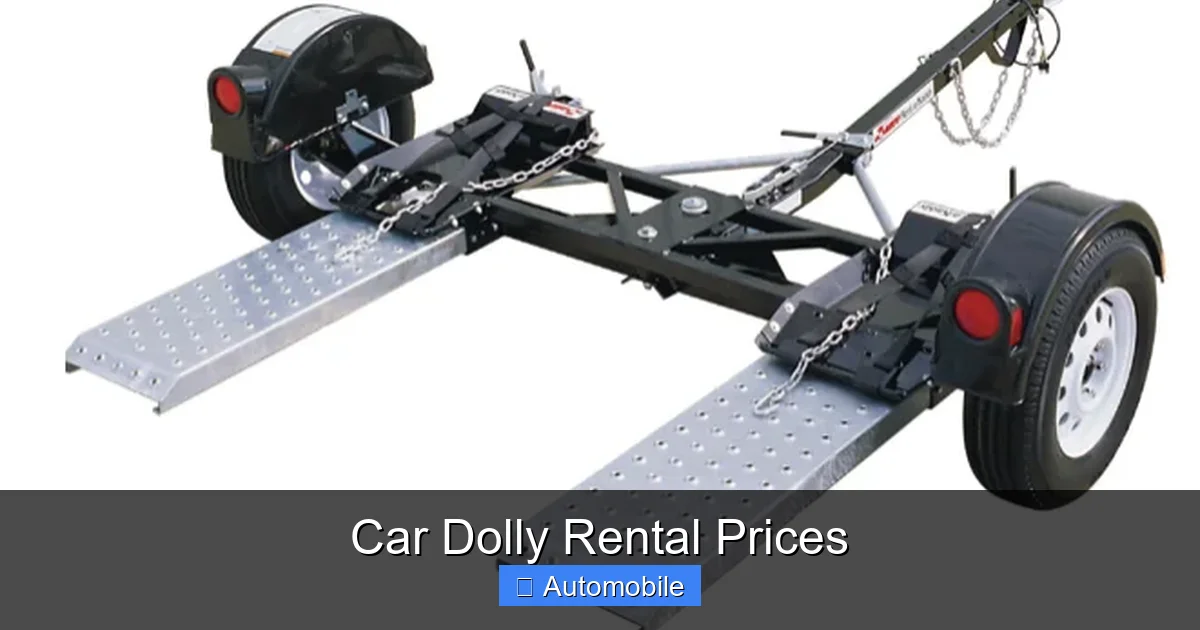
Planning to move a vehicle but don’t want to drive it or pay for expensive shipping? Renting a car dolly can be a cost-effective and practical solution. Understanding car dolly rental prices involves daily, weekly, and even long-distance rates, with factors like duration, location, and the provider significantly impacting the final cost. Comparing major rental companies and knowing what additional fees to expect will help you secure the best deal and ensure a smooth vehicle transport experience.
Moving a car can be a real headache, right? Whether you’re relocating across town, hauling a classic car to a show, or just need to transport a vehicle that isn’t road-ready, driving it isn’t always an option. That’s where a car dolly comes into play. It’s a fantastic, often overlooked, solution that saves mileage on your car, reduces wear and tear, and can be much more affordable than hiring a professional auto transport service.
But before you jump into renting one, you’ll naturally want to know about car dolly rental prices. How much does it cost? Are there hidden fees? Where should you even look? This comprehensive guide will break down everything you need to know about renting a car dolly, helping you understand the costs involved, compare options, and ultimately make the best decision for your vehicle transport needs.
Think of this as your friendly chat about getting your car from point A to point B without breaking the bank or your back. We’ll explore the ins and outs of rental costs, look at the big players in the market, and share some insider tips to make sure you get the best deal possible. Let’s get started!
Key Takeaways
- Cost Variability: Car dolly rental prices typically range from $40-$80 for a local daily rental and can go up to $150-$300 for longer distances or multi-day use.
- Major Providers: U-Haul is the most common and often most competitive provider for car dolly rentals, with other options including local rental centers and sometimes truck rental companies like Penske (though less common for dollies specifically).
- Factors Affecting Price: Key determinants of rental cost include rental duration (daily, weekly, long-distance), pickup and drop-off locations, vehicle weight capacity, demand, and any additional insurance or equipment.
- Hidden Fees: Be aware of potential extra costs such as damage waivers, late return fees, fuel surcharges (for the towing vehicle), and additional equipment like straps.
- Saving Money Tips: To reduce costs, compare prices from multiple providers, book in advance, consider off-peak times, opt for longer rental periods for daily savings, and carefully review your insurance options.
- Vehicle Compatibility: Always confirm your car’s weight and drivetrain (2WD vs. AWD/4WD) are compatible with the dolly and that your towing vehicle can handle the combined weight safely.
- Insurance is Key: Understand your personal car insurance coverage for towing and consider supplementary rental insurance or a damage waiver offered by the rental company to protect against unforeseen incidents.
Quick Answers to Common Questions
How much does a car dolly typically cost per day?
Daily car dolly rental prices usually range from $40 to $80 for local, round-trip rentals.
Can I rent a car dolly for a one-way trip?
Yes, major providers like U-Haul offer one-way car dolly rentals, but these are significantly more expensive than round-trip options.
Do car dollies work for all car types?
No, car dollies are generally suitable for front-wheel-drive (FWD) vehicles. All-wheel-drive (AWD) and 4×4 vehicles typically require a full auto transport trailer.
Is insurance included in car dolly rental prices?
No, basic car dolly rental prices do not typically include insurance; companies usually offer an optional damage waiver for an additional fee.
What’s the best way to save money on a car dolly rental?
To save money, compare prices from multiple providers, book in advance, and confirm your existing auto insurance coverage before opting for additional waivers.
📑 Table of Contents
- What Exactly Is a Car Dolly and Why Rent One?
- Understanding Car Dolly Rental Prices: Key Factors at Play
- Where to Find Car Dolly Rentals: Major Providers & Alternatives
- Comparing Car Dolly Rental Prices: A Deep Dive into Costs
- Tips to Save Money on Your Car Dolly Rental
- Important Considerations Before You Rent
What Exactly Is a Car Dolly and Why Rent One?
Before we dive deep into car dolly rental prices, let’s quickly define what a car dolly is and why you might choose to rent one. A car dolly, also known as a tow dolly, is a piece of towing equipment that allows you to transport a vehicle by lifting only its front wheels off the ground. The rear wheels of the towed vehicle remain on the road, rolling along behind your towing vehicle.
Car Dolly vs. Car Trailer (Auto Transport Trailer)
It’s important to differentiate a car dolly from a full car trailer. A car trailer (also called an auto transport trailer) lifts all four wheels of the towed vehicle completely off the ground. Car dollies are generally lighter, easier to maneuver, and significantly cheaper to rent than full trailers. However, they are typically only suitable for front-wheel-drive (FWD) vehicles, or rear-wheel-drive (RWD) vehicles if the driveshaft is disconnected or specific precautions are taken. All-wheel-drive (AWD) and 4×4 vehicles often require a full car trailer to prevent transmission damage.
Key Benefits of Renting a Car Dolly
- Cost-Effective: Generally, car dolly rental prices are much lower than renting a full car trailer or hiring an auto transport service.
- Easier to Maneuver: Dollies are shorter and lighter, making them simpler to tow, especially for drivers who are new to towing.
- Less Fuel Consumption: Because they are lighter, a car dolly puts less strain on your towing vehicle, potentially leading to better fuel economy compared to a full trailer.
- Reduces Wear and Tear: It keeps miles off the odometer of the towed vehicle and reduces wear on its engine, tires, and other components.
- Accessibility: They are widely available at numerous rental locations, particularly from major moving truck rental companies.
Renting a car dolly is a smart choice for short-distance moves, transporting a non-running vehicle, or moving a second car during a household relocation. It offers a practical blend of affordability and convenience.
Understanding Car Dolly Rental Prices: Key Factors at Play
When you’re trying to figure out car dolly rental prices, you’ll quickly discover that there isn’t one single, fixed rate. Several factors come into play, influencing the final cost. Understanding these elements will help you estimate your expenses and compare quotes more effectively.
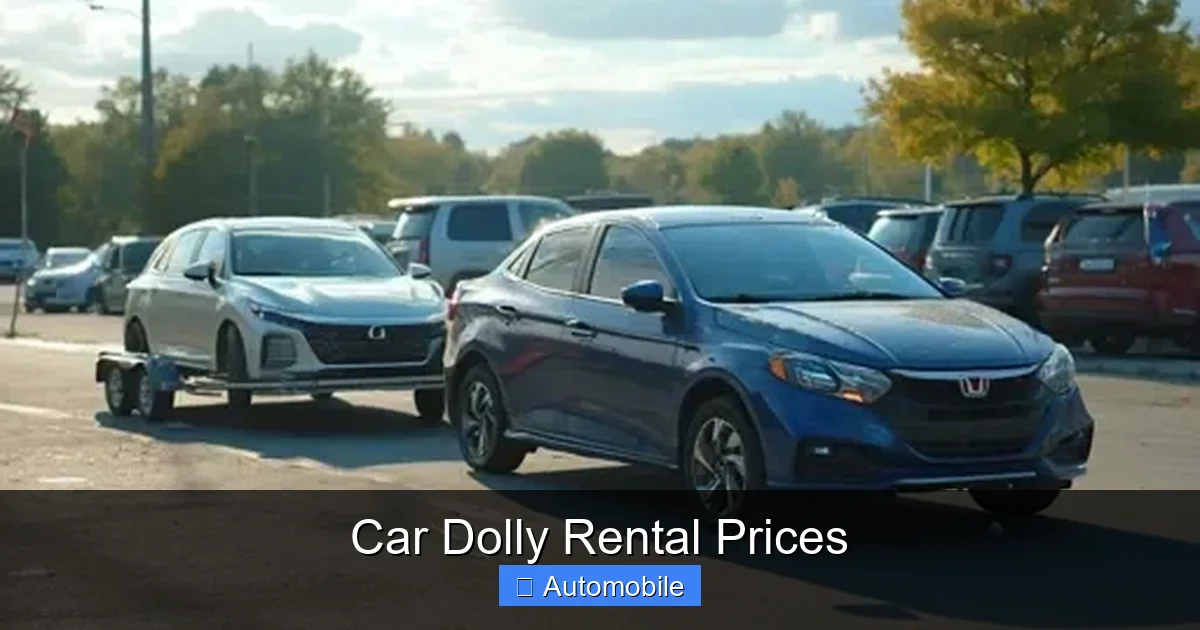
Visual guide about Car Dolly Rental Prices
Image source: blog.ezequipmentrental.com
Rental Duration: Daily, Weekly, or Long-Distance
- Daily Rentals: If you only need the dolly for a few hours or a single day for a local move, daily rates are your go-to. These typically range from $40 to $80.
- Weekly Rentals: Some providers offer weekly rates, which can be more economical than paying daily if your project spans several days. These might range from $150 to $250, offering a discount compared to cumulative daily rates.
- Long-Distance/One-Way Rentals: This is where car dolly rental prices see the biggest jump. When you pick up a dolly in one city and drop it off in another, you’re looking at a significantly higher cost. These can range from $150 to $300 or even more, depending on the distance, demand, and specific routes. The rental company needs to account for repositioning the equipment.
Location, Location, Location
Just like real estate, where you rent a car dolly can impact its price. Rental rates can vary significantly between different cities, states, and even specific neighborhoods. High-demand urban areas might have slightly higher prices, while rural locations could offer more competitive rates. Picking up and dropping off at different locations (one-way rental) always incurs a premium.
Vehicle Weight and Size Capacity
While most standard car dollies can handle a wide range of passenger cars, some larger SUVs or trucks might require a heavier-duty dolly. While this doesn’t always translate to a different price tier, it’s crucial to ensure the dolly you rent can safely accommodate your vehicle’s weight. Overloading a dolly is dangerous and could lead to significant problems, including accidents and damage to your vehicle or the rental equipment.
Demand and Time of Year
Rental prices, including car dolly rental prices, are subject to supply and demand. Peak moving seasons (summer months, end of the month) or holidays often see higher rates due to increased demand. Conversely, renting during off-peak times might allow you to snag a better deal.
Additional Fees and Charges
- Damage Waiver/Insurance: This is an optional but often recommended extra. Rental companies typically offer a damage waiver (not true insurance) that covers damage to the dolly itself. Your personal auto insurance might cover liability when towing, but it’s crucial to verify what’s covered. Expect to pay an additional $10-$20 per day for this.
- Towing Equipment (Ball Hitch, Receiver): If your towing vehicle isn’t equipped with a hitch or the correct ball size, you might need to rent or purchase these items, adding to your overall cost.
- Straps and Tie-Downs: While most car dollies come with basic straps, sometimes you might need extra or specialized straps, which could be an additional purchase.
- Late Return Fees: Always return the dolly on time! Late fees can quickly add up and negate any savings you might have achieved.
- Cleaning Fees: If the dolly is returned excessively dirty, you might face a cleaning charge.
Where to Find Car Dolly Rentals: Major Providers & Alternatives
Knowing where to look is half the battle when trying to compare car dolly rental prices. Several major players dominate the market, but don’t overlook local options either.
U-Haul: The Most Common Choice
U-Haul is by far the most ubiquitous and often the most affordable option for car dolly rentals. They have thousands of locations across the United States and Canada, making one-way rentals relatively straightforward. Their website allows for easy online booking and price comparison for various routes and dates. U-Haul car dolly rental prices are generally very competitive, often starting around $50-$60 for a local daily rental and $150-$250+ for long-distance, one-way moves.
- Pros: Widespread availability, competitive pricing, easy online booking, generally reliable equipment.
- Cons: Can be busy during peak seasons, requires specific hitch types for towing.
Penske and Budget Truck Rental
While Penske and Budget are primary competitors to U-Haul for truck rentals, their offerings for car dollies or car trailers can be more limited. Penske primarily focuses on larger auto transport trailers that lift all four wheels, rather than dollies. Budget also leans towards full trailers or doesn’t consistently offer dollies at all locations. It’s always worth checking their websites or calling local branches, but often U-Haul remains the go-to for dollies.
- Pros: High-quality trucks if you also need to rent a towing vehicle.
- Cons: Limited car dolly availability, potentially higher car dolly rental prices if available.
Local Equipment Rental Companies
Don’t forget about independent, local equipment rental stores. These smaller businesses might offer car dollies, especially for local, round-trip rentals. Their car dolly rental prices might be competitive, particularly if they are trying to attract local business. A quick Google search for “car dolly rental near me” can reveal these hidden gems.
- Pros: Personalized service, potentially more flexible terms for local rentals, supporting local businesses.
- Cons: Limited inventory, fewer locations for one-way rentals, online booking might not be available.
Self-Storage Facilities and Auto Parts Stores
In some areas, certain self-storage facilities or even large auto parts chains might have partnerships that allow them to rent out towing equipment. This is less common but worth a quick check if you’re exploring all options.
Comparing Car Dolly Rental Prices: A Deep Dive into Costs
Let’s get down to the nitty-gritty of car dolly rental prices with some examples. Keep in mind these are estimates, and actual prices will vary based on the factors we’ve discussed.
Scenario 1: Local Weekend Move
- Need: Transport a front-wheel-drive sedan across town (approx. 30 miles) on a Saturday. Pick up and drop off at the same U-Haul location.
- Estimated Cost Breakdown:
- Dolly Rental (1 day): $50 – $65
- Damage Waiver (optional): $10 – $15
- Taxes & Fees: ~$5
- Total Estimated Cost: $65 – $85
- Tip: Call early in the week to reserve. Weekends are busy!
Scenario 2: Long-Distance, One-Way Move (e.g., California to Texas)
- Need: Move a small SUV (FWD) from Los Angeles, CA to Dallas, TX (approx. 1,400 miles).
- Estimated Cost Breakdown (U-Haul):
- Dolly Rental (multi-day for one-way): $180 – $280 (highly variable by exact route and dates)
- Damage Waiver (optional, multi-day): $30 – $50
- Taxes & Fees: ~$15 – $25
- Total Estimated Cost: $225 – $355+
- Tip: Book well in advance for long-distance moves, as availability can be limited for popular routes. Consider different pick-up/drop-off locations within the same metro area for potential price differences.
Scenario 3: Extended Local Project (e.g., Restoration Project)
- Need: Keep a car dolly for a week to move a project car between a garage and a friend’s workshop.
- Estimated Cost Breakdown:
- Dolly Rental (7 days, if weekly rate offered): $150 – $200
- Damage Waiver (optional, 7 days): $50 – $70
- Taxes & Fees: ~$10 – $20
- Total Estimated Cost: $210 – $290
- Tip: Always ask about weekly or extended rental rates. Sometimes 3-4 daily rentals can exceed a weekly rate.
Tips to Save Money on Your Car Dolly Rental
Now that you have a clearer picture of car dolly rental prices, let’s look at how you can keep those costs as low as possible without sacrificing safety or convenience.
1. Compare Prices from Multiple Providers
This might seem obvious, but it’s the single most effective way to save money. Get quotes from U-Haul and any local rental companies you find. Prices can vary significantly for the exact same equipment, especially for one-way rentals.
2. Book in Advance
Especially during peak moving seasons (late spring to early fall, and around holidays), car dollies can be in high demand. Booking a few weeks ahead can not only secure a better rate but also ensure availability for your specific dates.
3. Be Flexible with Dates
If your schedule allows, try to rent during the middle of the week rather than on weekends, or during off-peak seasons. Demand is lower, and prices tend to follow suit.
4. Verify Your Insurance Coverage
Before you opt for the rental company’s damage waiver, call your personal auto insurance provider. Ask specifically if your policy covers damage to rental equipment when you are towing, and if it covers liability for any incidents that occur while towing. Sometimes, your existing policy offers sufficient coverage, allowing you to decline the waiver and save money. However, if there’s any doubt, the peace of mind from the waiver might be worth the cost.
5. Consider Round-Trip vs. One-Way
If you’re moving locally or have a way to return the dolly to the original pickup location, a round-trip rental is almost always cheaper than a one-way rental. The difference in car dolly rental prices for these two options can be substantial.
6. Inspect the Dolly Thoroughly
Before leaving the rental yard, inspect the dolly for any existing damage (scratches, dents, worn tires, faulty lights). Take photos or videos and ensure any existing damage is noted on your rental agreement. This protects you from being charged for pre-existing issues upon return.
7. Understand Your Vehicle’s Needs
Make sure you actually need a car dolly and not a full trailer. A full trailer is more expensive. Also, ensure your vehicle is compatible with a dolly (mostly FWD, or RWD with proper precautions). Never try to force an AWD/4WD vehicle onto a dolly unless the manufacturer explicitly states it’s safe (which is rare without specific drivetrain disengagement).
Important Considerations Before You Rent
Beyond car dolly rental prices, there are crucial safety and practical considerations to keep in mind to ensure a smooth and safe towing experience.
Towing Vehicle Compatibility and Capacity
Your towing vehicle is paramount. It must have the appropriate towing capacity to handle the combined weight of the car dolly and the vehicle you’re towing. Check your owner’s manual for your vehicle’s Gross Combined Weight Rating (GCWR) and tongue weight capacity. Overloading your tow vehicle is extremely dangerous and illegal.
- Hitch Type: Ensure your tow vehicle has a compatible hitch receiver and a towing ball of the correct size (usually 2 inches for most dollies).
- Brakes: Some larger car dollies may have surge brakes, but many basic ones do not. Your towing vehicle’s brakes will be doing all the work, so ensure they are in excellent condition.
- Lights and Wiring: The dolly will need to connect to your tow vehicle’s electrical system for taillights, brake lights, and turn signals. Make sure your vehicle has a functioning wiring harness (usually a 4-pin flat connector).
Loading and Securing the Vehicle
Proper loading is critical for safety. The front wheels of the towed vehicle are driven onto the dolly’s ramps and secured with heavy-duty straps over the tires. Always follow the rental company’s instructions precisely. Ensure the steering wheel of the towed vehicle is unlocked (but not necessarily tied straight) and the transmission is in park (or neutral if RWD with driveshaft disconnected). Double-check all straps and connections before every leg of your journey.
Driving with a Car Dolly
Towing requires a different driving style. Allow for significantly increased braking distances, take turns wider, and maintain a lower speed, especially on highways or winding roads. Be mindful of crosswinds, which can affect stability. Practice backing up (or don’t, as backing up with a dolly can be notoriously difficult and is often not recommended).
Checking Regulations
If you’re crossing state lines, quickly check for any specific state regulations regarding towing, weight limits, or required mirrors. While uncommon for standard car dollies, it’s always good practice.
Renting a car dolly is an excellent way to move a vehicle efficiently and affordably. By understanding car dolly rental prices, comparing options, and following safety guidelines, you can ensure a hassle-free experience. Remember to plan ahead, ask questions, and never compromise on safety. Happy towing!
🎥 Related Video: How to Load a Car onto a U-Haul Tow Dolly
📺 U-Haul
This is a step-by-step demonstration on how to load your car onto a U-Haul Tow Dolly. Towing your car on a car carrier is helpful …
Frequently Asked Questions
What is the average cost difference between a car dolly and a full car trailer?
A car dolly is generally much cheaper to rent than a full car trailer. For a local daily rental, a dolly might cost $50-$80, while a full trailer could be $70-$100+. For long-distance, one-way rentals, the difference is even more pronounced, with dollies typically ranging $150-$300 and trailers often $250-$600 or more, depending on distance and demand.
Do I need a special license to tow a car dolly?
In most states in the U.S., you do not need a special commercial driver’s license (CDL) to tow a car dolly with a personal vehicle, provided the combined weight of your towing vehicle, dolly, and towed car is below a certain threshold (often around 26,000 lbs, which most personal setups won’t exceed). Always check your specific state’s Department of Motor Vehicles (DMV) regulations to be sure.
How do I know if my car can be towed on a dolly?
The primary factor is your car’s drivetrain. Front-wheel-drive (FWD) vehicles are ideal for dollies. Rear-wheel-drive (RWD) vehicles can be towed if the drive wheels are on the ground, but you may need to disconnect the driveshaft to prevent transmission damage. All-wheel-drive (AWD) and 4×4 vehicles generally cannot be safely towed on a dolly; they require a full auto transport trailer to lift all four wheels.
What kind of vehicle can I use to tow a car dolly?
You need a towing vehicle with sufficient towing capacity and a proper hitch setup. Typically, a mid-size SUV, a full-size SUV, or a pickup truck can safely tow a car dolly with a passenger car. Always check your towing vehicle’s owner’s manual for its specific towing capacity and ensure it’s equipped with the correct hitch receiver and ball size.
Are straps included with a car dolly rental?
Yes, car dolly rentals from major providers like U-Haul typically come with the necessary straps to secure the towed vehicle’s front wheels to the dolly. However, it’s always a good idea to confirm this when you pick up the dolly and ensure the straps are in good condition and you understand how to use them correctly.
Can I back up with a car dolly attached?
Backing up with a car dolly is notoriously difficult and generally not recommended. Because the dolly has its own pivot point (the hitch) and the towed vehicle also has a pivot point (the dolly’s swivel plate), it becomes very challenging to control the direction. It’s often easier and safer to unhitch the dolly and manually move it if you need to back up into a tight spot.