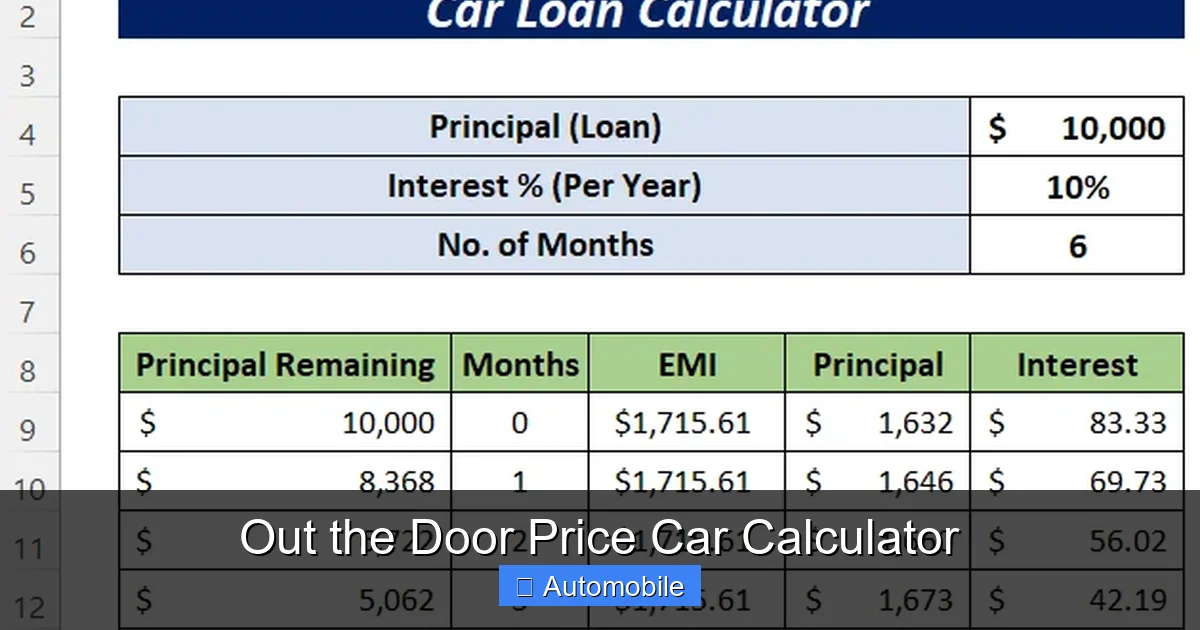
Yes, you absolutely can and should negotiate used car prices at a dealership! Dealerships expect it, and thorough preparation, including market research and securing pre-approved financing, is your most powerful tool. Approach the process with confidence and focus on the “out-the-door” price to secure the best deal on your next pre-owned vehicle.
Can You Negotiate Used Car Prices at a Dealership
Stepping onto a used car lot can feel like entering a high-stakes poker game, especially if you’re not sure about the rules. One of the biggest questions that swirls in many buyers’ minds is: “Can you negotiate used car prices at a dealership?” It’s a valid concern, often fueled by stories of aggressive sales tactics or the fear of overpaying. The good news is, the answer is a resounding YES!
In today’s competitive market, while prices might seem firm, dealerships expect you to negotiate. They build a certain amount of wiggle room into their sticker prices, anticipating that savvy buyers will try to get a better deal. Understanding this fundamental truth is your first step towards saving hundreds, if not thousands, of dollars on your next pre-owned vehicle. This article will arm you with the knowledge and strategies you need to approach used car negotiation with confidence, ensuring you drive away with the best possible deal.
Yes, You Absolutely Can (and Should!) Negotiate Used Car Prices at a Dealership
Let’s clear the air right away: when you’re looking at a used car at a dealership, the price tag you see is rarely the final price you have to pay. Think of it as a starting point for a conversation. Dealerships operate on profit margins, and those margins exist because they buy cars for less than they sell them for. They also factor in reconditioning costs, overhead, and, yes, room for negotiation.
Why Dealerships Are Open to Negotiation
- Profit Margins: While they need to make money, there’s usually a buffer between their cost and the asking price. This buffer is your negotiation window.
- Sales Targets: Salespeople and dealerships often have monthly or quarterly sales targets. Towards the end of a month, they might be more willing to drop a price to hit those numbers, even if it means a slightly smaller profit on one vehicle.
- Inventory Turnover: Cars sitting on the lot cost money. The longer a car stays, the more it depreciates and incurs carrying costs. Dealers are motivated to move inventory, especially older models or those that have been on the lot for an extended period.
- Competition: With so many dealerships and online options available, they know you have choices. They’ll often try to beat a competitor’s price or at least get close to keep your business.
So, the question isn’t “can you negotiate used car prices at a dealership?” but rather, “how effectively can you negotiate used car prices at a dealership?” The key lies in preparation, understanding, and a calm, confident approach.
Arm Yourself with Knowledge: The Power of Research
In any negotiation, information is power. This is especially true when you negotiate used car prices at a dealership. Walking in unprepared is like playing chess without knowing how the pieces move. Before you even set foot on a car lot, dedicate time to thorough research.
Know the Market Value of the Car
The first step is to understand what the specific make, model, and year of the used car you’re interested in is actually worth. Don’t rely solely on the dealership’s sticker price. Use reliable online resources:
- Kelley Blue Book (KBB): KBB.com provides a widely recognized valuation for used cars, including trade-in value, private party value, and retail value.
- Edmunds: Edmunds.com offers their own True Market Value (TMV) pricing, which takes into account actual sales data in your area.
- NADA Guides: The National Automobile Dealers Association provides comprehensive pricing guides for various vehicles.
- Local Listings: Check other local dealership websites and private party listings for similar vehicles to gauge the going rate in your specific market.
Gather printouts or screenshots of these valuations. This data will be your factual basis when you negotiate used car prices at a dealership. If a car is priced significantly above these averages, you have a strong argument for a reduction.
Dive into the Vehicle’s History
A used car’s past can tell you a lot about its future. Always request and review a vehicle history report. Services like CarFax and AutoCheck are industry standards.
- Accident History: Has the car been in a major accident? Even repaired damage can affect long-term reliability and resale value.
- Service Records: Consistent maintenance is a good sign. Look for oil changes, tire rotations, and major service intervals being met.
- Ownership History: How many previous owners? Was it a personal vehicle, a rental, or a fleet car?
- Flood Damage/Salvage Title: These are huge red flags. A car with a salvage title should generally be avoided unless you’re a highly experienced mechanic looking for a project.
Any negative findings can be a powerful tool to negotiate used car prices at a dealership, arguing for a lower price due to potential risks or past issues.
Research the Dealership’s Reputation
Not all dealerships are created equal. Before you visit, check online reviews on platforms like Google, Yelp, DealerRater, and the Better Business Bureau. Look for comments about their sales practices, customer service, and how they handle post-sale issues. A dealership with a consistently negative reputation might be one to avoid, or at least approach with extra caution when you negotiate used car prices at a dealership.
Mastering the Art of Negotiation: Strategies That Work
With your research complete, you’re ready to engage. Remember, the goal when you negotiate used car prices at a dealership is to get the best possible “out-the-door” price. Here are some strategies to help you achieve that.
Get Pre-Approved for Financing Before You Go
This is perhaps one of the most powerful moves you can make. Visit your bank or credit union and get pre-approved for a car loan. This achieves several critical things:
- Know Your Budget: You’ll know exactly how much you can afford, preventing you from falling in love with a car outside your price range.
- Negotiating Leverage: You walk in as a cash buyer (from the dealership’s perspective). This separates the car price negotiation from the financing negotiation. Dealers often try to make up for a lower car price by increasing the interest rate or adding fees to the loan. With pre-approval, you can focus purely on the vehicle price.
- Benchmark for Dealership Financing: The dealership will likely offer you their own financing. Your pre-approval rate gives you a benchmark. If they can beat it, great! If not, you already have a better option.
Focus on the “Out-the-Door” Price
Salespeople are masters at redirecting your attention to monthly payments. Don’t fall for it! A lower monthly payment can often hide a longer loan term or a higher interest rate, meaning you pay more in the long run. Always insist on negotiating the “out-the-door” (OTD) price, which includes the vehicle price, taxes, registration fees, documentation fees, and any other charges. This is the true total cost of the car.
Example: When they ask, “What monthly payment are you looking for?” respond with, “I’m focusing on the total out-the-door price of the vehicle, including all taxes and fees.”
Be Patient and Politeness Pays Off
Negotiation is a marathon, not a sprint. Don’t feel rushed. Take your time, ask questions, and don’t be afraid of silences. Maintain a polite, respectful, but firm demeanor. You’re not there to make friends, but being rude won’t get you a better deal either.
Start Lower Than Your Target Price
When you make your first offer, aim a bit lower than what you’re actually willing to pay, but don’t be unreasonable (e.g., offering half the asking price). This gives you room to negotiate upwards to your comfortable price point. Based on your research, if the asking price is $15,000 and the market value is closer to $13,500-$14,000, you might open with an offer around $12,800-$13,000.
Leverage Your Trade-In Separately (If You Have One)
If you have a car to trade in, avoid mentioning it until you’ve settled on a price for the car you’re buying. Why? Because a dealer can manipulate the numbers. They might give you a seemingly great deal on your trade-in but then keep the price of the new car artificially high, or vice-versa. Negotiate the price of the used car first, then bring up your trade-in. If you can, get a few instant cash offers from places like CarMax or online services before going to the dealership, so you know its true value.
Don’t Be Afraid to Walk Away
This is your ultimate power when you negotiate used car prices at a dealership. If you’re not getting the deal you want, or if you feel pressured, simply say, “Thank you for your time, but this isn’t working for me,” and leave. Often, a salesperson will suddenly find more room to negotiate once they realize you’re serious about walking. And even if they don’t, there’s always another car out there.
Navigating Dealership Tactics: What to Watch Out For
Dealerships have tried-and-true methods to maximize their profits. Knowing these tactics can help you counter them effectively when you negotiate used car prices at a dealership.
The “Four-Square” Method
This is a classic. A salesperson will present a piece of paper divided into four quadrants: car price, trade-in value, down payment, and monthly payment. The goal is to confuse you by constantly shifting numbers in each square, making it hard to track the true cost. Counter this by sticking to your guns: “I only want to discuss the out-the-door price of the car first, then we can discuss my trade, and finally financing options.”
Focusing on Monthly Payments
As mentioned, don’t let them anchor you to a monthly payment. A $20 reduction in a monthly payment on a 72-month loan could mean hundreds of dollars more over the life of the loan. Always bring it back to the total price.
High-Pressure Sales Tactics
Some salespeople will try to create a sense of urgency (“This deal is only good today!” or “Someone else is looking at this car!”). Don’t fall for it. A good deal will be there tomorrow, or another similar car will be. If you feel pressured, it’s a sign to slow down or even walk away.
The “Manager” Tactic
Salespeople often disappear to “talk to their manager” multiple times. This is a tactic to wear you down and make you feel like they’re fighting for you. Be patient, reiterate your offer, and don’t budge if you’re comfortable with your price. Sometimes, you might even ask to speak directly with the sales manager.
Unnecessary Add-Ons and Fees
Watch out for charges like “etching,” “fabric protection,” “paint sealant,” or extended warranties that are presented as mandatory or already included. Most of these are optional, high-profit items for the dealership. Politely decline them. If an “administrative” or “documentation” fee seems excessively high, question it, but know that some legitimate fees are unavoidable (though they might be negotiable in amount).
Sealing the Deal: Final Steps Before You Sign
You’ve negotiated a great price – congratulations! But the process isn’t over yet. There are crucial final steps to ensure everything is above board before you sign on the dotted line.
Review All Paperwork Meticulously
Before signing anything, read every single line of the purchase agreement. Ensure the agreed-upon price, trade-in value (if applicable), interest rate, and all fees match exactly what you negotiated. Look for any new charges or discrepancies. If anything is unclear, ask for an explanation. Do not sign until you fully understand and agree with every detail.
- Sales Price: Does it match your negotiated out-the-door price?
- Fees: Are all listed fees legitimate and agreed upon?
- Trade-in Value: Is your trade-in value correctly recorded?
- Loan Terms: If financing through the dealership, are the interest rate, term length, and monthly payment accurate?
The Final Inspection and Test Drive
Before you take delivery, do one last thorough inspection of the vehicle in daylight. Check for any new dents, scratches, or issues that weren’t there during your initial look. Take it for one more test drive to ensure everything is still running smoothly. If you agreed on any repairs or reconditioning, verify that they have been completed to your satisfaction.
Don’t Rush the Process
Dealerships want to get you in and out quickly, especially when it comes to signing paperwork. Resist the urge to rush. Take your time, ask for clarification on anything you don’t understand, and don’t be intimidated. Remember, once you sign, it’s legally binding.
So, can you negotiate used car prices at a dealership? Absolutely. With diligent research, a strategic approach, and a willingness to walk away, you can navigate the used car buying process with confidence and secure a fantastic deal. Don’t let the fear of negotiation deter you from getting the best value for your hard-earned money. Go in prepared, stay focused, and drive away happy!
Key Takeaways
- Negotiation is Expected: Dealerships build negotiation room into their pricing, so always assume there’s flexibility in the sticker price.
- Research is Paramount: Before stepping foot on the lot, know the market value of the car you want, its vehicle history, and common pricing trends.
- Secure Pre-Approved Financing: Having your own financing in place gives you leverage and allows you to negotiate the car price separately from the loan terms.
- Focus on the “Out-the-Door” Price: Always negotiate the total price you’ll pay, including all fees and taxes, rather than just the monthly payment.
- Be Prepared to Walk Away: Your willingness to leave if the deal isn’t right is your ultimate negotiating power. There will always be another car.
- Separate Trade-in Negotiations: If you have a trade-in, negotiate its value separately after you’ve settled on the price of the car you’re buying.
Quick Answers to Common Questions
Can I negotiate the price of a certified pre-owned (CPO) car?
Yes, CPO cars are still used cars, and dealerships have profit margins on them. While they may have less wiggle room due to the reconditioning and warranty costs, negotiation is still possible and encouraged.
What’s the best time of month to negotiate a used car price?
The end of the month or quarter is often the best time. Salespeople and dealerships are trying to hit quotas, making them more motivated to close deals, potentially offering better prices or incentives.
Should I negotiate in person or online?
You can start the negotiation process online or over the phone to get an initial offer, but final negotiations usually happen in person. In-person negotiation allows you to inspect the car and build a rapport, which can sometimes lead to a better deal.
What if the dealership won’t budge on price?
If the dealership won’t move on the price, try negotiating other aspects like the value of your trade-in, a lower interest rate on financing, or asking for valuable add-ons like floor mats or a full tank of gas to be included.
Is it true that cash buyers get better deals?
Not necessarily. While paying cash eliminates financing concerns, dealerships often make money on financing. Being pre-approved for a loan gives you similar leverage as a “cash buyer” and allows you to compare the dealership’s financing offer against your own pre-approved rate.
🎥 Related Video: Saved THOUSANDS. How to Negotiate USED Car Deals in 2025.
📺 The Car Guy Online
Protect yourself from future negative equity, know the value of the car you are purchasing. Many people focus on the wrong thing …
Frequently Asked Questions
How much can I realistically expect to negotiate off a used car price?
The amount you can negotiate varies greatly depending on the car’s price, how long it’s been on the lot, and the dealership’s specific policies. Generally, a few hundred to a few thousand dollars off the sticker price is a realistic expectation for many used cars.
Should I mention my trade-in car at the beginning of negotiations?
It’s generally recommended to keep your trade-in separate from the car price negotiation. Settle on the price of the car you want to buy first, and then introduce your trade-in to avoid confusion and ensure you get a fair deal on both transactions.
What if a dealership uses high-pressure tactics?
If you feel pressured or uncomfortable, it’s best to disengage. Politely state that you need more time, or simply walk away. Never feel obligated to make a decision on the spot, especially when dealing with pushy sales tactics.
Can I negotiate the documentation fees or administrative fees?
Documentation or “doc fees” are often fixed by state law or dealership policy and are usually non-negotiable. However, other “administrative” fees might be negotiable or even questionable, so always ask for a clear breakdown and question anything that seems excessive.
Is it better to buy a used car at the end of the month?
Many experts suggest buying at the end of the month or quarter. Dealerships and sales staff often have quotas to meet, making them more eager to make a sale and potentially more flexible on pricing to hit their targets.
What is the “out-the-door” price and why is it important to focus on it?
The “out-the-door” (OTD) price is the total cost you’ll pay for the car, including the vehicle price, taxes, registration, documentation fees, and any other charges. Focusing on the OTD price ensures you negotiate the true final cost and prevents dealerships from hiding additional fees or inflated costs in other areas.