Getting your car windows tinted offers numerous benefits, from enhanced privacy and style to crucial UV protection and heat reduction. While the average price to tint car windows can range significantly, typically from $100 to over $600, this variation depends heavily on factors like the type of film chosen, your vehicle’s size, and the installer’s expertise. Understanding these elements is key to making an informed decision and ensuring you get quality results that last.
Ah, the allure of tinted windows! You see them on the road, adding a touch of mystery, class, and undeniable coolness to cars of all shapes and sizes. Maybe you’re tired of that glaring sun beating down on you during your commute, or perhaps you just want a little more privacy in your ride. Whatever your reasons, getting your car windows tinted is a popular choice for many car owners. But before you dive in, a common question pops up: “What’s the average price to tint car windows?”
It’s a fantastic question, and one without a single, simple answer. The cost can swing quite a bit, much like buying a cup of coffee at a corner store versus a gourmet espresso at a fancy cafe. There are a lot of ingredients that go into that final price tag, from the type of film you choose to the kind of car you drive and even where you live. Think of this article as your friendly guide, helping you navigate the world of window tinting costs and giving you a clear picture of what to expect. We’ll break down all the factors, so you can make an informed decision and get the best value for your hard-earned money.
The Average Price to Tint Car Windows: A General Overview
Let’s cut to the chase and talk numbers. When considering the average price to tint car windows, you’ll find a broad spectrum. Generally speaking, you can expect to pay anywhere from $100 to over $600 for a complete car tint job. This wide range isn’t meant to confuse you; instead, it reflects the diverse options available and the various factors at play. For a typical sedan using a good quality, but not top-tier, film, many people find themselves spending in the $200 to $450 range.
Breaking Down the Averages by Vehicle Type
The size of your vehicle is one of the most significant determinants of the average price to tint car windows. More glass means more material and more labor, plain and simple.
- Coupes/Small Sedans (2-4 windows): Expect to pay on the lower end, perhaps $100 to $300 for basic film, and up to $400-$500 for premium options.
- Mid-Size Sedans (4-6 windows): This is where most standard sedans fall. The average price to tint car windows here is typically $200 to $450 for standard film, reaching $500-$650+ for high-performance films.
- SUVs, Trucks, & Vans (6-8+ windows): These larger vehicles, especially those with many small rear windows, will command higher prices. Expect $300 to $600+ for quality tinting, and $700-$1000+ for ceramic or crystalline films on larger models.
Regional Price Differences
Just like real estate or groceries, the cost of services varies by geographic location. The average price to tint car windows in a major metropolitan area with a high cost of living (think New York City or Los Angeles) will generally be higher than in a rural town or a state with a lower cost of living. Competition among tint shops in your area can also play a role, sometimes driving prices down or up depending on market saturation. It always pays to get local quotes!
Factors That Influence the Cost of Window Tinting
Understanding why the average price to tint car windows fluctuates so much is key to budgeting effectively. It’s not just about the car; it’s about choices.
Type of Tint Film
This is perhaps the biggest factor in determining the final cost. Window films aren’t all created equal. They differ in materials, manufacturing processes, durability, and performance characteristics.
- Dyed Film: The most basic and cheapest option. Good for privacy and blocking some glare, but less effective at heat rejection and can fade over time.
- Metalized Film: Offers better heat rejection and strength due to embedded metal particles. Can interfere with GPS, radio, or cell signals.
- Carbon Film: A step up from metalized, providing excellent heat rejection without signal interference. Offers a deep, non-fading black finish.
- Ceramic Film: The premium choice. Contains ceramic particles that are non-conductive and non-metallic, offering superior heat rejection, UV protection, and glare reduction without signal issues. It’s highly durable and resistant to fading.
- Crystalline Film: A specialized ceramic film that is virtually clear but offers maximum heat and UV rejection. Ideal for windshields or situations where you want protection without changing the look of the glass. It’s also typically the most expensive.
We’ll dive deeper into these film types shortly, but for now, remember: the fancier the film, the higher the average price to tint car windows will be.
Number of Windows and Vehicle Size
As mentioned, more glass equals more cost. A small two-door coupe with only three windows to tint (two side, one rear) will naturally be cheaper than a large SUV with six side windows, a rear hatch window, and possibly small quarter windows. The complexity of the windows (e.g., highly curved glass) can also add to labor time and cost.
Installer Expertise and Shop Reputation
You’re paying not just for the film, but for the skill and experience of the person applying it. A highly reputable shop with years of experience and certified technicians will typically charge more than a new or less established shop. Why? Because they offer peace of mind. A perfect, bubble-free, dust-free installation requires precision and experience. Skimping here can lead to bubbling, peeling, or unsightly gaps, which then costs more to fix. Always consider the installer’s reputation when weighing the average price to tint car windows.
Warranty and After-Service
A good tint job should come with a warranty covering both the film itself (against fading, peeling, bubbling) and the installation. Reputable shops stand by their work. If a shop offers a lifetime warranty, it’s a strong indicator of their confidence in their product and service, and this added assurance can sometimes be factored into the overall cost. Be wary of extremely cheap quotes that don’t include a robust warranty.
Additional Services
Sometimes, the job isn’t just about putting new tint on.
- Old Tint Removal: If your car already has old, bubbling, or faded tint, it needs to be removed before new film can be applied. This is a labor-intensive process and will add to the average price to tint car windows, typically $50-$200 or more depending on how stubborn the old tint is.
- Windshield Tinting: While full windshield tinting is often illegal (or restricted to a small strip at the top), some high-performance clear films are available for the entire windshield to reduce heat and UV without affecting visibility. This specialized film and application will add significantly to the cost.
- Tint Strip on Windshield: A common and usually legal option is a “brow” or “visor strip” at the top of the windshield. This is a smaller job and less expensive, often an add-on of $30-$70.
Understanding Different Types of Window Tint Films
Let’s elaborate on the different films, as this truly drives the average price to tint car windows. Knowing your options empowers you to make the best choice for your needs and budget.
Dyed Window Tint
This is the most affordable option. It involves dyes incorporated into the film.
- Pros: Inexpensive, provides privacy, reduces glare, offers a non-reflective appearance.
- Cons: Least effective at heat rejection, prone to fading and purpling over time, less durable.
- Average Cost Impact: Lowest end of the spectrum. If the average price to tint car windows is $200-$450, dyed film might be $100-$250 for a sedan.
Metalized Window Tint
Tiny metallic particles are embedded in the film, which helps reflect heat.
- Pros: Good heat rejection, stronger and more scratch-resistant than dyed film.
- Cons: Can interfere with GPS, radio, and mobile phone signals, has a slightly reflective appearance.
- Average Cost Impact: Mid-range, a step up from dyed. Maybe $180-$350 for a sedan.
Carbon Window Tint
Uses carbon particles in the film. These particles block infrared light, offering superior heat rejection compared to dyed or metalized films.
- Pros: Excellent heat rejection, doesn’t interfere with signals, provides a rich, non-reflective black finish that won’t fade.
- Cons: More expensive than dyed or metalized.
- Average Cost Impact: Upper-mid range. A common choice for many, typically $250-$450 for a sedan.
Ceramic Window Tint
Considered the gold standard. Ceramic film contains non-metallic, non-conductive ceramic particles that are incredibly effective at blocking UV rays and infrared heat without interfering with electronic signals.
- Pros: Superior heat and UV rejection, no signal interference, highly durable, maintains color, reduces glare, shatter resistance.
- Cons: Most expensive mainstream tint option.
- Average Cost Impact: Premium pricing. For a sedan, expect $350-$650+. This significantly impacts the average price to tint car windows.
Crystalline Window Tint
A specialized type of ceramic film designed to be optically clear while offering maximum heat and UV rejection.
- Pros: Unparalleled heat and UV rejection without altering the vehicle’s appearance, often used on windshields or where tint darkness is legally restricted.
- Cons: The most expensive tint film.
- Average Cost Impact: Highest end, often $200-$400 just for a windshield, or significantly more for full car application, pushing total costs well over $800.
Is DIY Window Tinting Worth It? (And Its Hidden Costs)
You might be thinking, “Hey, I can buy a roll of tint film for $30 and do it myself!” And while technically true, the reality of DIY window tinting is often a tale of frustration and wasted money. The average price to tint car windows professionally includes the installer’s skill for a reason.
Tools and Materials Needed
Beyond the film, you’ll need a range of tools: squeegees, spray bottles, exacto knives, heat guns, cleaning solutions, lint-free cloths. Buying these can add up.
Time and Skill Investment
Applying tint perfectly is an art. It requires precise cutting, meticulous cleaning, proper heat shrinking (especially for curved windows), and a steady hand. Achieving a bubble-free, dust-free, and streak-free finish is incredibly difficult for an amateur. Many DIY attempts result in unsightly bubbles, creases, or peeling edges.
Potential for Mistakes
If you mess up a window, you’ve wasted film and time. You might have to buy more film or, worse, decide to take it to a professional anyway, meaning you’ve now paid twice. This significantly inflates your actual “average price to tint car windows” if you factor in the failed attempt.
Warranty Considerations
DIY tint often comes with no warranty. If it peels or bubbles, you’re on your own. Professional installation almost always includes a warranty, providing peace of mind.
While the upfront cost of DIY might seem lower, the hidden costs of potential errors, wasted materials, and the lack of a professional finish usually make professional installation the better value in the long run.
Tips for Finding the Best Value and Quality
Now that you’re armed with knowledge about the average price to tint car windows and what influences it, here’s how to ensure you get a great deal without sacrificing quality.
Get Multiple Quotes
Contact at least three reputable tint shops in your area. Ask for specific quotes based on your vehicle type and the kind of film you’re interested in (e.g., “What’s the average price to tint car windows on my Honda Civic with ceramic film?”). This helps you compare apples to apples.
Check Reviews and Portfolios
Online reviews (Google, Yelp, Facebook) are invaluable. Look for consistent positive feedback about installation quality, customer service, and warranty adherence. Many shops also showcase their work on social media or their websites, giving you an idea of their finish quality.
Ask About Warranties
A robust warranty is non-negotiable. Ensure it covers both the film itself (fading, bubbling, peeling) and the installation labor. A lifetime warranty is ideal.
Understand Local Laws and Regulations
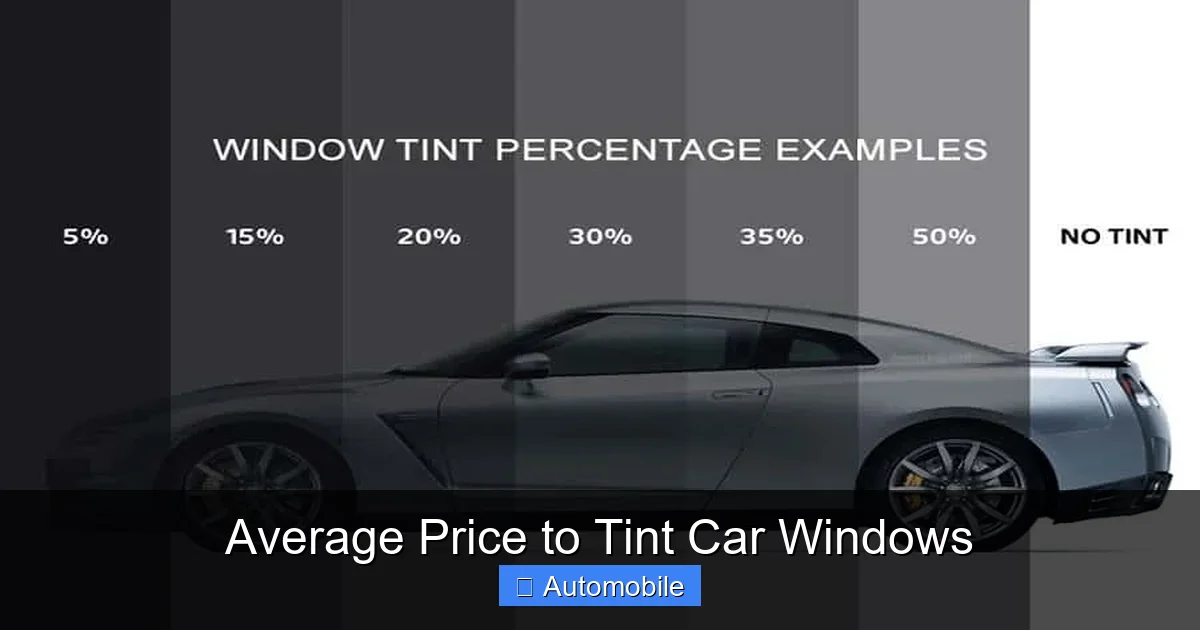
Window tint laws vary significantly by state and even county. They specify the Visible Light Transmission (VLT) percentage allowed for different windows. For example, your front side windows might have a higher VLT (lighter tint) requirement than your rear windows. A reputable installer will be knowledgeable about these laws and guide you to stay compliant. Getting tint that’s too dark can lead to fines or require you to remove it.
Don’t Always Choose the Cheapest Option
While saving money is great, remember the adage: “You get what you pay for.” An unusually low quote for the average price to tint car windows might indicate subpar film quality, inexperienced installers, or a lack of warranty. It’s often worth paying a little more for a professional job that will last for years without issues.
The Benefits Beyond Just Aesthetics
Beyond looking cool, tinted windows offer a wealth of practical benefits that make the investment worthwhile.
UV Protection
High-quality tint blocks up to 99% of harmful UV-A and UV-B rays, which are a major cause of skin cancer and premature aging. It’s like applying sunscreen to your car’s interior.
Heat Rejection
Especially with carbon or ceramic films, tint can significantly reduce the amount of solar heat entering your car. This keeps your interior cooler, reduces the strain on your air conditioning system, and improves fuel efficiency. On a hot day, this benefit alone can feel priceless.
Glare Reduction
Tint minimizes blinding glare from the sun, headlights, and reflective surfaces, making driving safer and more comfortable, especially during sunrise or sunset.
Privacy and Security
Darker windows deter prying eyes from seeing valuables inside your car, offering an added layer of privacy and security. This can be especially useful for those who carry expensive equipment or travel frequently.
Interior Protection
The UV protection also extends to your car’s interior. It helps prevent fading, cracking, and warping of your dashboard, upholstery, and other interior components, preserving your car’s resale value.
Safety in Accidents
In the event of an accident, window film can help hold shattered glass together, preventing dangerous shards from flying and potentially injuring occupants.
Conclusion
Deciding to tint your car windows is an excellent choice for a blend of style, comfort, and protection. While the average price to tint car windows can vary, typically from $100 to over $600, understanding the factors like film type, vehicle size, and installer expertise empowers you to make an informed decision. Remember that investing in a quality film and a professional installer pays dividends in durability, performance, and peace of mind. Don’t be afraid to ask questions, gather multiple quotes, and check reviews. When done right, car window tinting is a long-lasting upgrade that you’ll appreciate every time you get behind the wheel. Drive safely, and enjoy your new, cooler, and more private ride!
Key Takeaways
- Average Cost Varies Widely: The average price to tint car windows typically ranges from $100 for basic dyed film on a coupe to over $600 for premium ceramic film on an SUV, with a general average for a standard sedan often falling between $200 and $450.
- Film Type is a Major Factor: Different tint films (dyed, metalized, carbon, ceramic, crystalline) offer varying levels of performance, durability, and cost, with ceramic and crystalline being the most expensive due to superior heat rejection and UV protection.
- Vehicle Size and Number of Windows: Larger vehicles like SUVs, trucks, and vans, and those with more windows, will naturally cost more to tint than smaller sedans or coupes due to increased material and labor.
- Installer Expertise and Reputation Matter: Reputable shops with experienced technicians often charge more but provide better quality, a clean installation, and a reliable warranty, which is crucial for a lasting finish.
- Local Laws and Warranties are Key: Always check your local window tint laws regarding VLT (Visible Light Transmission) percentages. Additionally, inquire about the warranty offered on both the film and the installation for peace of mind.
- DIY is Risky: While tempting, attempting DIY window tinting often leads to poor results, bubbling, and peeling, costing more in the long run to fix or re-do professionally. Professional installation is highly recommended for optimal outcomes.
- Benefits Beyond Aesthetics: Window tinting provides significant benefits like UV protection, glare reduction, heat rejection, increased privacy, and interior preservation, making it a valuable investment for your comfort and your car’s longevity.
Quick Answers to Common Questions
What is the typical average price to tint car windows for a sedan?
For a standard sedan, the average price to tint car windows typically ranges from $200 to $450 for good quality, non-premium film. Premium ceramic or crystalline films can push this cost higher, often $350-$650+.
Does vehicle size significantly affect the average price to tint car windows?
Yes, absolutely. Larger vehicles like SUVs, trucks, and vans, which have more windows and require more film and labor, will generally cost more than smaller coupes or sedans. This can add $100-$300 or more to the total price.
What type of window tint offers the best heat rejection?
Ceramic and crystalline window tints offer the best heat rejection. These films contain ceramic particles that block infrared heat and UV rays more effectively than dyed, metalized, or carbon films, without interfering with electronic signals.
Is removing old window tint usually included in the average price to tint car windows?
No, removing old window tint is typically an additional service and not included in the base average price to tint car windows. It’s a labor-intensive process that can add $50 to $200 or more to the total cost.
How long does a professional window tint installation typically take?
A professional window tint installation for a full car usually takes between 1.5 to 4 hours, depending on the vehicle’s size, the number of windows, the complexity of the glass, and the installer’s experience. Specialty films or old tint removal can extend this time.
🎥 Related Video: How Much Does Window Tint Cost?
📺 EZ AUTO SPA
The most common factors that influence the cost of window tint are quality of tint, vehicle size, brand of film, overhead of shop, …
Frequently Asked Questions
What is VLT in window tinting, and why is it important?
VLT stands for Visible Light Transmission, indicating the percentage of visible light that passes through the window film. It’s crucial because local laws dictate the minimum VLT percentage allowed for car windows, which can vary by state and window location (e.g., front vs. rear windows).
Can window tint help protect my car’s interior?
Yes, absolutely. High-quality window tint, especially ceramic films, blocks up to 99% of harmful UV rays. This protection significantly reduces fading, cracking, and warping of your dashboard, upholstery, and other interior components, preserving your car’s appearance and resale value.
Will window tint interfere with my car’s GPS or radio signals?
Some types of window tint, specifically metalized films, can potentially interfere with GPS, radio, satellite radio, or mobile phone signals due to their metallic particles. Ceramic and carbon tints are non-metallic and do not cause such interference, making them a better choice if this is a concern.
How long does window tint last?
The lifespan of window tint varies greatly depending on the film quality and installation. High-quality professional tints (carbon, ceramic) can last 5-10 years or even a lifetime with proper care and come with warranties, whereas cheaper dyed tints might only last 1-3 years before fading or bubbling.
What are the signs of a poor window tint job?
Signs of a poor window tint job include bubbles (especially large ones that don’t disappear after a few days), peeling edges, visible dust or debris trapped under the film, creases, uneven cuts, gaps around the edges, and a hazy or distorted appearance. These issues often stem from inexperienced installers or cheap film.
Is it legal to tint my car’s windshield?
In most places, it is illegal to tint the entire front windshield with a dark film. However, many states allow a non-reflective tint strip (often called a “brow” or “visor strip”) on the top portion of the windshield, typically above the AS-1 line or within 4-6 inches from the top. Clear, high-performance films for heat/UV rejection might be legal for the full windshield depending on local regulations, but always check your specific state laws.