Exploring the price of a Lotus car reveals a spectrum from accessible performance to hypercar exclusivity. These vehicles, known for their lightweight engineering and unparalleled driving dynamics, command prices reflecting their bespoke craftsmanship and advanced technology. As Lotus transitions into an electric future, its pricing strategy continues to balance heritage with cutting-edge innovation, offering unique value for discerning enthusiasts.
Ah, the legendary Lotus. Just the name conjures images of nimble, featherlight sports cars carving through winding roads with effortless grace. For decades, Lotus has been synonymous with pure driving pleasure, a brand that dares to be different by prioritizing handling and driver involvement above all else. But for many enthusiasts, a crucial question always comes to mind: “What exactly is the price of a Lotus car?”
It’s a question that doesn’t have a simple, one-size-fits-all answer. The world of Lotus is evolving, moving from its beloved internal combustion engine (ICE) models to an exciting, all-electric future. This transition, coupled with the brand’s commitment to bespoke craftsmanship and cutting-edge technology, means the price of a Lotus car can span a surprisingly wide spectrum. Whether you’re dreaming of a track-day hero or a luxurious electric SUV, understanding the various factors that determine Lotus pricing is key.
Join us as we take a deep dive into the fascinating economics behind these iconic vehicles. We’ll explore current models, peek into future offerings, and break down what makes each Lotus a unique proposition in the automotive world. From the initial sticker shock to the long-term value, we’ll cover everything you need to know about the price of a Lotus car.
Key Takeaways
- Diverse Price Range: The price of a Lotus car varies significantly, from the mid-$80,000s for the Emira to over $2 million for the electric Evija hypercar, reflecting different segments and performance tiers.
- Legacy of Lightweight Performance: Lotus’s pricing strategy is deeply rooted in its philosophy of “simplify, then add lightness,” where engineering purity and driver engagement are paramount, often justifying a premium price.
- Transition to Electric: Lotus is embracing an all-electric future, introducing models like the Eletre SUV and Evija hypercar. These vehicles showcase advanced EV technology, which significantly influences their higher price points compared to traditional ICE models.
- Factors Influencing Cost: Key factors affecting the price of a Lotus car include bespoke customization options, limited production numbers, innovative technology, brand prestige, and the specific model’s market positioning.
- Total Cost of Ownership: Beyond the initial purchase price, potential owners should consider insurance, specialized maintenance, and depreciation. While performance cars can have higher running costs, Lotus’s strong brand appeal can mitigate severe depreciation for certain models.
- Investment in Driving Experience: For many, the price of a Lotus car represents an investment in a unique, uncompromised driving experience that prioritizes agility, handling, and connection over raw power figures alone.
- Exclusivity and Collectibility: Due to their limited production and distinctive character, certain Lotus models, especially special editions or historical vehicles, can become highly collectible, potentially appreciating in value over time.
Quick Answers to Common Questions
What is the starting price for a new Lotus Emira?
The Lotus Emira typically starts around $85,900 USD for the 2.0-liter turbocharged four-cylinder model, with the V6 version starting slightly higher.
How much does the Lotus Eletre SUV cost?
The Lotus Eletre SUV’s price varies by market but generally starts from around £89,500 (approx. $110,000 – $120,000 USD) for the base model, going up for higher trims.
Is the Lotus Evija the most expensive Lotus car?
Yes, the Lotus Evija electric hypercar is currently the most expensive Lotus, with a price tag of approximately £2 million (over $2.5 million USD).
Do Lotus cars hold their value well?
While depreciation is typical for new cars, certain limited-edition or highly sought-after Lotus models often hold their value quite well, and some may even appreciate over time due to their exclusivity and heritage.
What is Lotus’s philosophy that influences its pricing?
Lotus’s philosophy, coined by founder Colin Chapman, is “simplify, then add lightness.” This focus on lightweight engineering and pure driving dynamics is a core value that contributes to the bespoke nature and premium price of a Lotus car.
📑 Table of Contents
The Lotus Legacy and Its Price Philosophy
To truly understand the price of a Lotus car, we must first appreciate the brand’s unique philosophy. Founded by the brilliant engineer Colin Chapman, Lotus built its reputation on the principle of “simplify, then add lightness.” This isn’t just a catchy motto; it’s an engineering religion that has guided every car the company has ever made.
Engineering for Purity, Not Just Power
Unlike many performance car manufacturers who chase ever-increasing horsepower figures, Lotus focuses on achieving incredible performance through meticulous weight reduction and unparalleled chassis dynamics. This approach means that a Lotus often doesn’t need a monstrous engine to outhandle cars with twice the power. The result is a driving experience that is incredibly tactile, communicative, and utterly engaging. This pursuit of purity and the intricate engineering required to achieve it contributes significantly to the price of a Lotus car.
Think about it: designing and manufacturing ultra-lightweight components, perfecting aerodynamics, and tuning suspensions to deliver razor-sharp handling requires immense expertise and precision. It’s not about bolting on a massive engine; it’s about harmonizing every single component to create a cohesive, high-performance machine. This bespoke engineering is a premium feature you pay for.
Hand-Built Craftsmanship and Exclusivity
Lotus cars are not mass-produced vehicles rolling off an assembly line by the thousands. Each car, especially previous generations and current sports cars, involves a significant degree of hand-finishing and meticulous attention to detail. This craftsmanship, combined with relatively limited production numbers, creates a sense of exclusivity that naturally influences the price of a Lotus car. When you own a Lotus, you’re not just buying a car; you’re buying a piece of automotive art and a ticket into a niche community of driving enthusiasts.
Current Lotus Models and Their Price Points
Lotus is currently in an exciting phase of transformation, offering a mix of its traditional ICE sports cars and groundbreaking electric vehicles. Let’s look at the price of a Lotus car across its diverse modern lineup.
Visual guide about Price of Lotus Car
Image source: i.pinimg.com
Lotus Emira: The ICE Swan Song
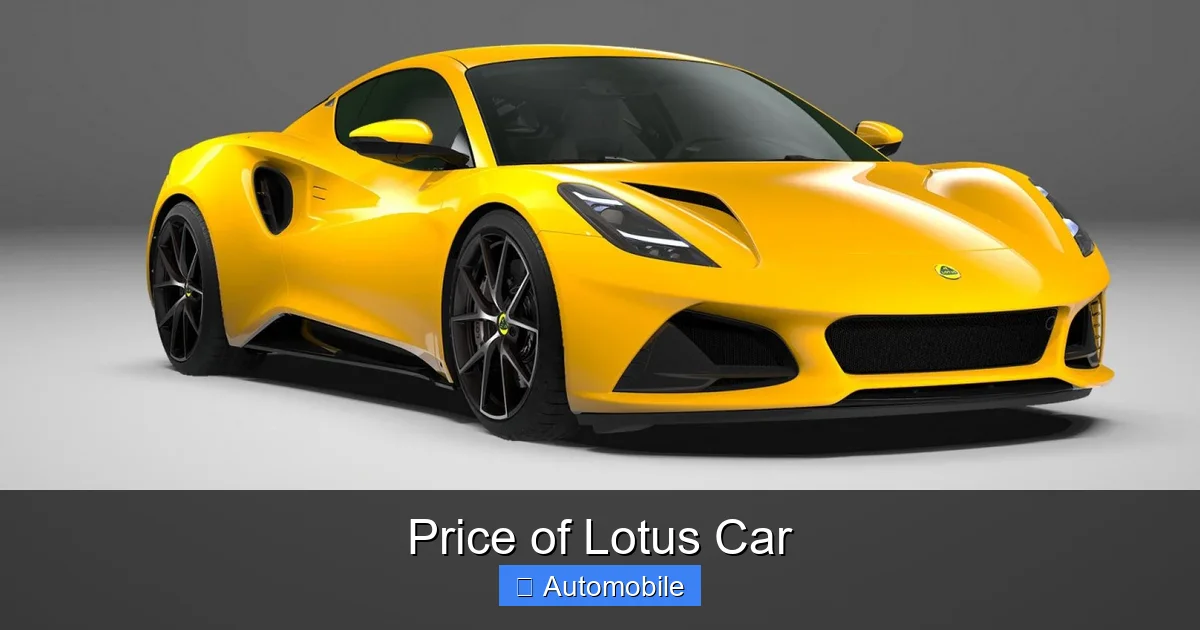
The Emira is Lotus’s final internal combustion engine sports car, a fitting farewell to an era. It’s designed to be a more refined, comfortable, and technologically advanced daily driver than its predecessors like the Elise and Exige, while still delivering that unmistakable Lotus handling. The price of a Lotus car in the Emira range starts at around $85,900 USD for the 2.0-liter turbocharged four-cylinder model (Mercedes-AMG derived engine). The more powerful 3.5-liter supercharged V6 version, known for its thrilling exhaust note, typically starts a bit higher, around $96,900 USD. These prices are for the base models; adding options and packages will naturally increase the final cost.
Lotus Eletre: The Electric Hyper-SUV
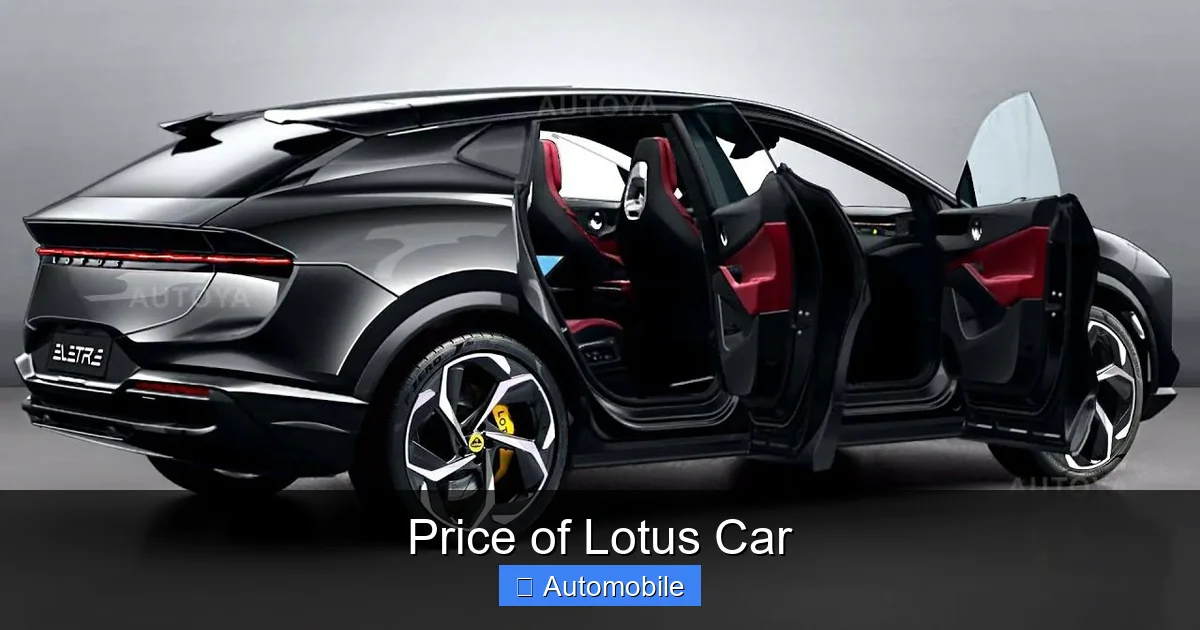
The Eletre marks a radical departure for Lotus – a fully electric, luxurious, and high-performance SUV. This vehicle showcases Lotus’s future direction, combining utility with blistering speed and advanced technology. The price of a Lotus Eletre car is significantly higher, reflecting its larger size, electric powertrain, and premium features. In some markets, the starting price for the Eletre can be around £89,500 (approx. $110,000 – $120,000 USD, depending on exchange rates and market specifics) for the base Eletre, climbing to over £120,000 (approx. $150,000 – $160,000 USD) for the top-tier Eletre R, which boasts over 900 horsepower. This demonstrates how the brand is expanding its appeal and its price points.
Lotus Evija: The Electric Hypercar Apex
At the absolute pinnacle of Lotus’s current offerings is the Evija, an all-electric hypercar. This car is an engineering marvel, boasting nearly 2,000 horsepower and an ultra-exclusive production run of only 130 units worldwide. The price of a Lotus Evija car is staggering, starting at approximately £2 million (over $2.5 million USD). This isn’t just a car; it’s a collector’s item, a statement of extreme performance and exclusivity, pushing the boundaries of what an electric vehicle can be.
Future Models and Price Trajectories
Lotus has ambitious plans for its electric future. Following the Eletre, expect to see the “Type 133” (a four-door GT sedan) and the “Type 134” (a smaller electric SUV). While specific pricing isn’t available yet, it’s safe to assume these models will slot into price brackets similar to or slightly above the Eletre, further diversifying the range of the price of a Lotus car and appealing to a broader luxury EV market.
Factors Influencing the Price of a Lotus Car
Beyond the model itself, several factors contribute to the final price tag you see on a Lotus.
Bespoke Options and Customization
Lotus offers a range of customization options, from unique paint finishes and interior trims to performance packages and lightweight components. Opting for bespoke leather, carbon fiber accents, upgraded brakes, or specialized wheels can quickly add tens of thousands to the price of a Lotus car. For instance, the Emira might offer track packs or Black Pack options that enhance both aesthetics and performance, increasing the cost.
Limited Production Runs
Exclusivity often comes with a premium. Many Lotus models, especially special editions or hypercars like the Evija, are produced in very limited numbers. This scarcity drives up demand and, consequently, the price of a Lotus car. It’s not just about the cost of materials; it’s about owning something truly rare.
Technology and Innovation
Modern Lotus cars, especially the electric models, are packed with cutting-edge technology. Advanced battery systems, powerful electric motors, sophisticated infotainment systems, and driver-assistance features all contribute to the development and manufacturing costs, which are then reflected in the retail price. The Eletre’s complex sensor suite for autonomous driving capabilities is a prime example of such technological investment increasing the price of a Lotus car.
Market Demand and Brand Prestige
Lotus has a rich heritage and a fiercely loyal following. This strong brand prestige allows the company to command premium prices, particularly for models that are highly anticipated or represent a significant milestone. Strong market demand for a particular model can also influence pricing, especially on the used car market where desirable examples can hold their value exceptionally well.
Beyond the Sticker Price: Total Cost of Ownership
When considering the price of a Lotus car, it’s crucial to look beyond the initial purchase price and factor in the total cost of ownership. This gives a more realistic picture of what it truly costs to live with one of these magnificent machines.
Insurance and Maintenance Considerations
As high-performance, often rare vehicles, Lotus cars typically come with higher insurance premiums. Maintenance can also be more specialized and costly than for a regular car. Lotus dealers and certified service centers have specific expertise, and replacement parts can be premium-priced. For example, performance tires or specialized fluids needed for track use will add to the ongoing expense. For the electric models, while traditional engine maintenance is reduced, battery health and advanced electronics servicing will be considerations.
Depreciation and Resale Value
Like most cars, a Lotus will depreciate over time. However, certain models, especially limited editions or highly sought-after variants, can hold their value remarkably well, and some even appreciate, especially if they are well-maintained and have low mileage. The initial depreciation hit is often steep for any new performance car, but the long-term price of a Lotus car in the used market can be quite resilient for the right models. The Emira, being the last ICE Lotus, is anticipated to have strong resale potential.
Fuel/Charging Costs
For the Emira, expect premium fuel costs typical of a high-performance sports car. For electric models like the Eletre and Evija, charging costs will vary depending on local electricity rates and whether you mostly charge at home or use public fast chargers. While the upfront price of a Lotus car with an electric powertrain might be higher, the running costs for “fuel” can be significantly lower.
Is a Lotus Car Worth the Price?
Ultimately, the question of whether the price of a Lotus car is “worth it” comes down to individual priorities and what you seek in an automotive experience.
The Driving Experience
For dedicated driving enthusiasts, a Lotus offers an unparalleled connection to the road. The precision steering, perfectly balanced chassis, and feedback-rich controls create an immersive experience that few other cars can match, regardless of their price. If the pure joy of driving is your top priority, then the price of a Lotus car can be seen as an investment in that passion.
Investment and Collectibility
While not every Lotus will become a collector’s item, many models, particularly the limited-run versions or those representing significant milestones (like the Emira as the last ICE car), have a strong potential for collectibility. For some buyers, the price of a Lotus car isn’t just an expenditure; it’s a potential long-term investment, though like all investments, it comes with risks.
Exclusivity and Community
Owning a Lotus means joining an exclusive club. There’s a strong community of Lotus owners who appreciate the brand’s unique ethos. The exclusivity and camaraderie that come with owning such a distinctive vehicle add an intangible value that goes beyond the monetary price of a Lotus car.
So, there you have it – a comprehensive look at the price of a Lotus car. From the accessible thrill of the Emira to the stratospheric cost of the Evija hypercar, Lotus offers a range of vehicles catering to different budgets and desires. What unites them all is the unwavering commitment to lightweight performance, driver engagement, and bespoke quality. Whether you’re considering a new purchase or simply admiring from afar, understanding the value proposition behind each Lotus helps appreciate why these cars command the prices they do. They are more than just vehicles; they are rolling testaments to a legendary engineering philosophy and an exhilarating driving experience.
🎥 Related Video: Would you pick this Lotus Emira over a Porsche? 🤔
📺 Forrest’s Auto Reviews
Frequently Asked Questions
What factors contribute to the high price of a Lotus car like the Evija?
The high price of a Lotus Evija is primarily due to its extreme performance as an all-electric hypercar, its limited production run of only 130 units worldwide, and the cutting-edge technology and bespoke craftsmanship involved in its creation. It represents the pinnacle of Lotus engineering.
Are older, classic Lotus models more affordable?
Older classic Lotus models can vary significantly in price. Some, like well-maintained examples of the original Elan or early Europa, can be quite sought after and command premium prices, especially if they are rare or in pristine condition. However, more common or less well-preserved examples might be more affordable, though they could require substantial restoration investment.
Does the transition to electric vehicles affect the price of Lotus cars?
Yes, the transition to electric vehicles (EVs) significantly affects the price of Lotus cars. New electric models like the Eletre and Evija often feature advanced battery technology, powerful electric motors, and sophisticated electronics, which are inherently more expensive to develop and produce, leading to higher retail prices compared to traditional ICE sports cars.
What are the primary differences in the price of a Lotus car for a base model versus a fully optioned one?
The difference in the price of a Lotus car between a base model and a fully optioned one can be substantial. Options like bespoke paint finishes, unique interior materials, carbon fiber components, performance packs, and advanced driver-assistance systems can easily add tens of thousands of dollars to the final cost, reflecting the high level of customization available.
How does the price of a Lotus Emira compare to its direct competitors?
The Lotus Emira is positioned to compete with premium sports cars like the Porsche Cayman, Alpine A110, and certain variants of the Corvette. While the starting price of a Lotus car like the Emira is competitive within this segment, its unique focus on lightweight, driver-centric dynamics and analogue feel often positions it as a distinctive choice that justifies its price for purists.
Is maintenance more expensive for a Lotus car compared to other sports car brands?
Maintenance costs for a Lotus car can be comparable to or slightly higher than other specialist sports car brands. This is due to the need for specialized parts, expert technicians, and the performance-oriented nature of the components. However, specific costs will depend on the model, age, and whether you opt for official dealership servicing versus independent specialists.