Getting your car windows tinted offers numerous benefits, from enhanced privacy and style to improved UV protection and interior cooling. The car window tint price can vary significantly based on several key factors, including the type of film chosen, the number of windows, the vehicle’s make and model, and whether you opt for DIY or professional installation. Understanding these variables and state-specific laws is crucial to making an informed decision and ensuring you get a quality tint that meets your needs and budget.
Dreaming of a cooler car interior, enhanced privacy, and a sleek, sophisticated look for your ride? Car window tinting delivers all this and more. It’s not just about aesthetics; tinting provides significant benefits, including blocking harmful UV rays, reducing glare, and improving the efficiency of your car’s air conditioning system by rejecting heat. For many, it’s a wise investment in comfort, protection, and style.
However, before you dive headfirst into the world of automotive tint, one of the most common questions that comes to mind is, “What will this cost me?” The truth is, the car window tint price isn’t a fixed figure. It’s a spectrum, influenced by a variety of factors that can make the difference between a minor spend and a significant investment. Understanding these variables is key to setting a realistic budget and choosing the right option for your vehicle and your wallet.
In this comprehensive guide, we’ll peel back the layers of car window tint pricing. We’ll explore the different types of tint films available, delve into the factors that drive costs up or down, and offer practical tips to help you get the best value for your money. Whether you’re considering a subtle shade or a complete blackout, you’ll walk away with the knowledge you need to make an informed decision about your car window tint price.
Key Takeaways
- Price Varies Widely: The car window tint price can range from under $100 for DIY kits to over $800 for premium films and professional installation, depending on many factors.
- Film Type is Key: Different tint films (dyed, metalized, carbon, ceramic, crystalline) offer varying benefits in terms of heat rejection, UV protection, durability, and cost. Ceramic and crystalline films are generally the most expensive but offer superior performance.
- Professional vs. DIY: While DIY tinting is cheaper, professional installation ensures a flawless, bubble-free finish and often comes with a warranty. DIY attempts can lead to wasted materials and poor results for beginners.
- Vehicle Specifics Matter: The size, curvature, and number of windows on your car, along with its make and model (e.g., luxury vehicles or those with complex window shapes), can significantly influence the labor costs and thus the overall car window tint price.
- Location and Installer Reputation: Prices can differ geographically due to varying labor costs and local market competition. Reputable installers with extensive experience may charge more, but their quality and warranty often justify the higher investment.
- Legal Compliance is Crucial: Each state has specific laws regarding Visible Light Transmission (VLT) for car windows. Understanding these laws before choosing a tint shade is essential to avoid fines and ensure legal compliance.
- Warranty and Aftercare: Always inquire about the warranty provided on both the film and the installation. A good warranty offers peace of mind and protection against bubbling, peeling, or fading.
Quick Answers to Common Questions
What is the average car window tint price?
The average car window tint price for professional installation on a standard sedan typically ranges from $200 to $450, but can go much higher for premium films like ceramic or crystalline.
Does the type of car affect the car window tint price?
Yes, the make and model of your car significantly affect the car window tint price. Larger vehicles like SUVs or trucks, or cars with complex window curves, often cost more due to increased material and labor time.
Is DIY tinting cheaper than professional tinting?
DIY tinting kits are considerably cheaper upfront, often costing $30-$100. However, the risk of errors and wasted materials, along with the lack of warranty and professional finish, often makes professional installation a better long-term value.
Will car window tint affect my GPS or radio?
Metalized tint films can sometimes interfere with GPS, cell phone, or radio signals. To avoid this, opt for non-metallic films like carbon, ceramic, or crystalline tints.
How long does car window tint last?
The lifespan of car window tint varies by film type and quality. Basic dyed tints might last 1-3 years before fading, while high-quality carbon or ceramic films, professionally installed, can last 5-10 years or even the lifetime of the vehicle.
📑 Table of Contents
Factors Influencing Car Window Tint Price
The car window tint price is rarely a simple, flat fee. Instead, it’s a dynamic figure shaped by several interconnected elements. Understanding these factors will help you anticipate costs and choose wisely.
Type of Tint Film
This is perhaps the biggest determinant of the overall cost. Just like paint or tires, not all tint films are created equal. You have a spectrum of options, from basic dyed films to advanced ceramic and crystalline technologies, each offering different levels of performance and durability, which naturally impacts their price. We’ll delve deeper into specific film types and their costs shortly.
Number of Windows to Be Tinted
Logically, tinting more windows will increase the total car window tint price. A typical car has between 5 and 7 windows that are commonly tinted (two front doors, two rear doors, two small quarter windows, and the rear windshield). Some owners opt to tint all windows, while others may only do the rear windows for privacy or the front windows for glare reduction, assuming state laws permit. The more surfaces needing film, the more material and labor are involved.
Vehicle Make and Model
The specific car you drive plays a crucial role.
- Size: Larger vehicles like SUVs, trucks, or vans have more expansive windows, requiring more film and potentially more time for installation.
- Window Curvature: Vehicles with highly curved or complex window shapes (e.g., some sports cars or older models) are more challenging to tint. Installers may charge more for the increased skill and time required to perfectly shrink and apply the film without creases or bubbles.
- Luxury Vehicles: High-end or luxury cars often come with a higher installation cost. This can be due to the need for extra precision, specialized tools, or simply the perceived value of working on such a vehicle.
Geographic Location
Where you live can significantly impact the car window tint price. Just like real estate or basic services, labor costs and overheads vary by region. A tint job in a major metropolitan area with a high cost of living will generally be more expensive than the same job performed in a rural town. Competition among installers in a given area can also drive prices up or down.
Installer’s Experience and Reputation
You get what you pay for, especially in services like window tinting. Highly experienced and reputable installers who have been in business for years, boast a strong portfolio, and offer guarantees often charge more. This premium covers their expertise, quality workmanship, use of superior tools, and dedicated customer service. Opting for a cheaper, less experienced installer might save you money upfront, but it could lead to subpar results like bubbles, peeling, or a messy cut line, which ultimately requires costly re-tinting.
Warranty and Aftercare
A good warranty offers peace of mind. Quality tint films often come with a manufacturer’s warranty against defects like fading, peeling, or bubbling, sometimes for a lifetime. Professional installers also typically offer a labor warranty, covering any issues arising from the installation itself. Shops that provide comprehensive warranties and aftercare advice (like cleaning instructions) usually reflect these assurances in their car window tint price. Always clarify what is covered before committing.
Preparation and Removal of Old Tint (if applicable)
If your car already has old, faded, or bubbling tint that needs to be removed, this will add to the overall cost. Old tint removal is a meticulous process that can be time-consuming and often requires special solutions to avoid damaging the window defrost lines or the glass itself. Factor this additional service into your budget if your vehicle isn’t starting with clean, untinted windows.
Types of Car Window Tint Film and Their Costs
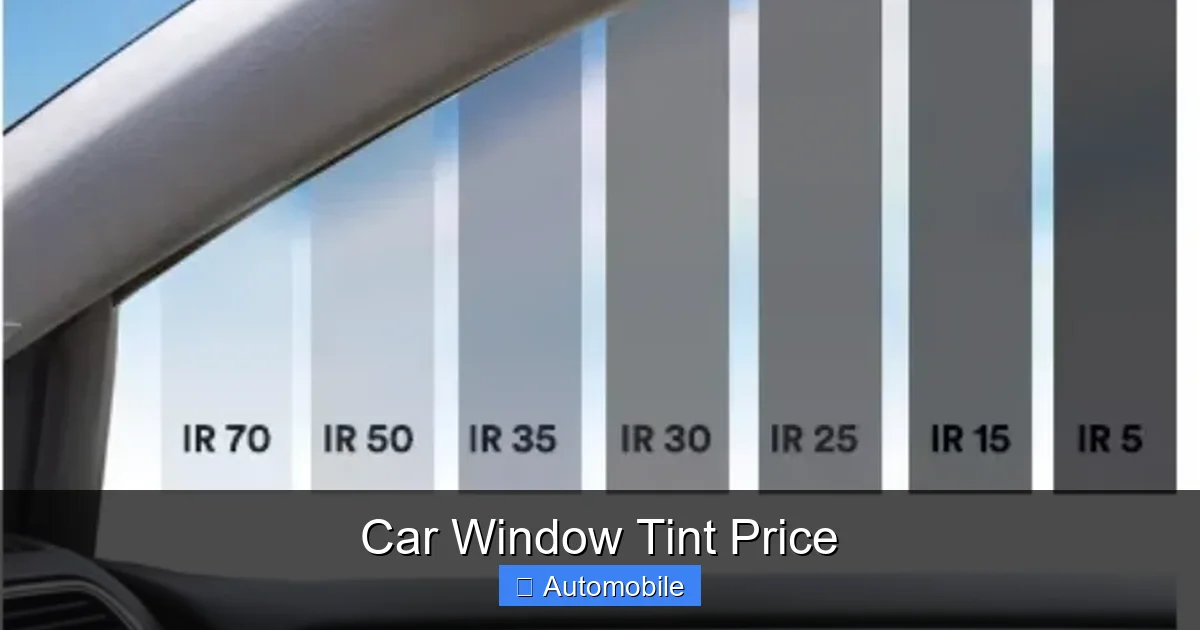
Visual guide about Car Window Tint Price
Image source: tnwindowfilms.com
The type of film you choose is arguably the most significant factor in determining the car window tint price. Each film offers a different balance of performance, durability, and aesthetic appeal.
Dyed Tint Film
- Description: This is the most basic and affordable type of tint. It involves a layer of dye that absorbs solar heat and provides privacy.
- Pros: Inexpensive, good privacy, dark appearance.
- Cons: Tends to fade over time (turning purplish), poor heat rejection compared to other types, and generally less durable.
- Typical Car Window Tint Price: $99 – $200 for a full car.
Metalized Tint Film
- Description: These films embed tiny metallic particles within the film layers. The metal reflects solar heat and UV rays, providing better performance than dyed films.
- Pros: Excellent heat rejection, good UV protection, scratch-resistant.
- Cons: Can interfere with electronic signals (GPS, radio, cell phone reception) due to the metal content.
- Typical Car Window Tint Price: $150 – $350 for a full car.
Carbon Tint Film
- Description: Carbon tint films use carbon particles in their composition. They offer a non-reflective, matte finish that looks great and performs well.
- Pros: Superior heat rejection (better than dyed or metalized), excellent UV protection, won’t fade or interfere with electronics, durable.
- Cons: Slightly more expensive than metalized.
- Typical Car Window Tint Price: $250 – $450 for a full car.
Ceramic Tint Film
- Description: Ceramic tint is considered a premium film. It contains ceramic particles that are non-conductive and non-metallic. These films are incredibly effective at blocking UV rays and infrared light (heat) without blocking electronic signals.
- Pros: Top-tier heat rejection, exceptional UV protection, no electronic interference, superb glare reduction, high durability, excellent clarity.
- Cons: This advanced technology comes at a higher car window tint price.
- Typical Car Window Tint Price: $400 – $800+ for a full car.
Crystalline/IR Reflecting Tint Film
- Description: Often grouped with ceramic or considered a subset, these films are designed for maximum infrared (IR) heat rejection, even in very light shades. They are almost invisible but provide incredible thermal performance.
- Pros: Highest heat rejection, virtually clear appearance (great for windshields or when dark tint is not desired/legal), top-tier UV protection, no electronic interference.
- Cons: The most expensive option.
- Typical Car Window Tint Price: $600 – $1000+ for a full car, and often priced per window for a windshield.
Hybrid Tint Film
- Description: Hybrid films combine elements of dyed and metalized tints. They offer a balance of performance and aesthetics without the heavy metallic look or signal interference of full metalized films.
- Pros: Better heat rejection and durability than dyed films, less electronic interference than full metalized films, middle-ground pricing.
- Cons: Performance may not match dedicated carbon or ceramic films.
- Typical Car Window Tint Price: $200 – $400 for a full car.
DIY vs. Professional Installation: Weighing the Car Window Tint Price
When considering the car window tint price, one of the biggest decisions is whether to tackle the job yourself or hire a professional.
DIY Tinting: Pros and Cons
- Pros:
- Lower Upfront Cost: A DIY tint kit for a full car can cost as little as $30 – $100. This is the main draw for those on a tight budget.
- Flexibility: You can work on your own schedule.
- Cons:
- High Skill Requirement: Applying tint film perfectly is extremely difficult for beginners. It requires patience, precision, and specific tools.
- Potential for Errors: Bubbles, creases, dust specks, peeling edges, and crooked cuts are common amateur mistakes. This means wasted film and frustration.
- No Warranty: If you mess up, you’re out the cost of the film and your time.
- Time-Consuming: It can take hours, even days, to get a decent result for a beginner.
- Limited Film Quality: DIY kits typically offer basic dyed or entry-level films, lacking the performance of professional-grade options.
Professional Installation: Pros and Cons
- Pros:
- Flawless Finish: Professionals have the expertise, specialized tools, and controlled environment (dust-free bays) to ensure a perfect, bubble-free, seamless application.
- Quality Films: Installers often have access to higher-grade, more durable films (carbon, ceramic) that offer superior performance.
- Warranty: Most reputable shops offer a warranty on both the film and their workmanship, providing peace of mind.
- Time-Saving: The job is typically completed in a few hours, freeing up your time.
- Legal Compliance: Professionals are knowledgeable about local tint laws and can guide you to legally compliant options.
- Cons:
- Higher Car Window Tint Price: This is the primary drawback, as you’re paying for their skill, experience, and the quality materials.
- Less Flexibility: You’ll need to schedule an appointment.
For most people, especially those seeking a durable, high-performance tint and a professional finish, investing in a reputable installer is usually worth the higher car window tint price.
Understanding Legal Tint Laws and What They Mean for Price
Before you even think about the car window tint price, you absolutely must consider your state’s specific tint laws. These laws dictate the Visible Light Transmission (VLT) percentage allowed on different windows of your vehicle.
What is VLT?
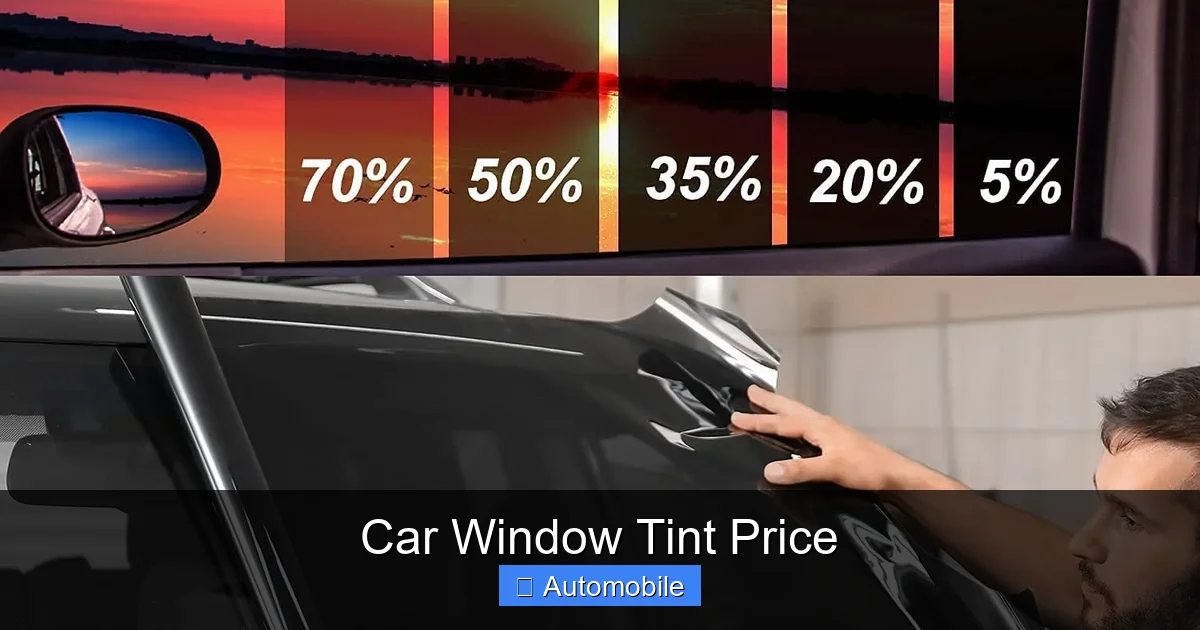
VLT refers to the percentage of visible light that passes through your car windows.
- A lower VLT percentage means a darker tint (e.g., 5% VLT is very dark, often called “limo tint”).
- A higher VLT percentage means a lighter tint (e.g., 70% VLT is nearly clear).
State-Specific Regulations
Tint laws vary significantly from state to state. Some states allow very dark tints on rear windows but restrict front side windows to much lighter shades (e.g., 35% or 50% VLT). Other states might permit the same VLT on all windows behind the driver, while still others might have strict rules for front windshields (often only allowing a tint strip at the very top).
- Front vs. Rear Windows: It’s common for states to have different VLT limits for front side windows (driver and passenger) compared to rear side windows and the rear windshield.
- Windshield: Most states only allow a non-reflective tint strip on the top 4-6 inches of the windshield. Some states might allow a very light, nearly clear film (like 70-80% VLT) on the entire windshield, primarily for UV and heat rejection.
- Color and Reflectivity: Some states also have restrictions on tint colors (e.g., red, amber, blue tints might be prohibited) or how reflective the film can be.
Ignoring these laws can lead to fines, required tint removal, and repeated tickets, making your initial car window tint price much higher in the long run. A professional installer will be well-versed in local laws and can guide you to compliant options.
Tips for Getting the Best Value for Your Car Window Tint Price
Now that you understand the factors influencing the car window tint price, here are some practical tips to ensure you get a great deal and a quality product.
1. Get Multiple Quotes
Don’t settle for the first quote you receive. Contact at least 3-5 different reputable tint shops in your area. Provide them with the exact details: your car’s make, model, year, the number of windows you want tinted, and your desired tint type (e.g., “carbon tint, all side and rear windows”). Compare their prices, what’s included (film type, warranty, removal of old tint), and their availability.
2. Understand the Film Being Offered
When comparing quotes, make sure you’re comparing apples to apples. A cheaper quote might be for a basic dyed film, while a higher one could be for premium ceramic. Ask specific questions:
- What brand and type of film do you use?
- What are its heat rejection and UV protection properties?
- What is the film’s expected lifespan?
Don’t be afraid to ask for samples or brochures.
3. Check Reviews and Portfolios
A low car window tint price means nothing if the quality is poor. Look up potential installers on Google Reviews, Yelp, and social media. Pay attention to comments about the finish quality, customer service, and longevity of the tint. Ask to see examples of their work, either in person or through online portfolios. A good installer will be proud to show off their flawless work.
4. Inquire About Warranties
As mentioned, a good warranty is invaluable. Confirm if the warranty covers just the film or also the installation. What specific issues are covered (bubbling, peeling, fading)? How long does it last? A lifetime warranty on both film and labor from a reputable shop is ideal and offers the best long-term value, even if the initial car window tint price is slightly higher.
5. Ask About Specials or Packages
Some shops offer seasonal discounts, package deals (e.g., full car tinting at a reduced rate), or promotions. It never hurts to ask if there are any current specials that could lower your car window tint price.
6. Don’t Neglect Preparation and Aftercare
If you are replacing old tint, factor in the removal cost. Discuss how the installer preps the windows (cleaning, dust removal). After installation, ask for specific aftercare instructions, especially regarding cleaning, to ensure the longevity of your new tint. Proper maintenance can extend the life of your tint and protect your investment.
Conclusion
Choosing to tint your car windows is a decision that brings numerous benefits, from enhanced aesthetics and privacy to crucial protection against heat and harmful UV rays. While the initial car window tint price can seem like a daunting variable, by understanding the factors that influence it—such as film type, vehicle specifics, installer expertise, and local laws—you can navigate the market with confidence.
Remember that investing in quality tint and professional installation often pays off in the long run through superior performance, durability, and a flawless finish. By getting multiple quotes, researching thoroughly, and prioritizing reputable installers who offer robust warranties, you can secure a tint job that not only meets your budget but also exceeds your expectations for years to come. Drive comfortably and in style, knowing you’ve made a smart, informed choice for your vehicle.
🎥 Related Video: Learn Tint in 60 seconds #windowtint #tint #tintingwindows #glass #cars #diy #diycrafts #walmart
📺 Tint Studio
Frequently Asked Questions
What is the darkest legal tint I can get?
The darkest legal tint varies significantly by state and even by which window is being tinted. For example, many states allow 20% or 35% VLT on rear windows, but only 50% or even 70% on front side windows. Always check your specific state’s laws before choosing a tint percentage to avoid legal issues.
Can I put tint on my front windshield?
In most U.S. states, applying full tint to the entire front windshield is illegal. Typically, only a non-reflective tint strip is allowed on the top 4-6 inches of the windshield, often above the AS-1 line. Some states may permit a very light, nearly clear film (like 70-80% VLT) on the entire windshield for UV and heat protection.
How long does it take to tint car windows professionally?
Professional car window tinting for a standard sedan typically takes between 2 to 4 hours. This can vary based on the number of windows, the vehicle’s complexity, whether old tint needs to be removed, and the specific installer’s process. High-quality shops prioritize precision over speed.
What are the benefits of ceramic window tint?
Ceramic window tint offers superior benefits including excellent heat rejection (blocking up to 90% of infrared heat), high UV protection (blocking 99% of harmful UV rays), reduced glare, enhanced clarity, and no interference with electronic signals like GPS or cell phones. It’s highly durable and resistant to fading, making it a premium choice.
Will tinting my car windows void my vehicle’s warranty?
Generally, tinting your car windows will not void your vehicle’s overall manufacturer warranty. However, if the installation process causes damage to window components (like defroster lines or electronic sensors) or if a specific part fails due to the tint installation, that specific repair might not be covered. It’s always best to use a reputable installer to minimize risks.
What is the “curing time” for car window tint?
Curing time refers to the period after installation during which the remaining water trapped between the film and the glass evaporates. This typically takes 3-5 days, but can extend to a few weeks in colder or humid climates. During this time, it’s crucial not to roll down your windows, clean the tinted surfaces, or poke at any small bubbles or haziness, as these will usually disappear as the tint cures.