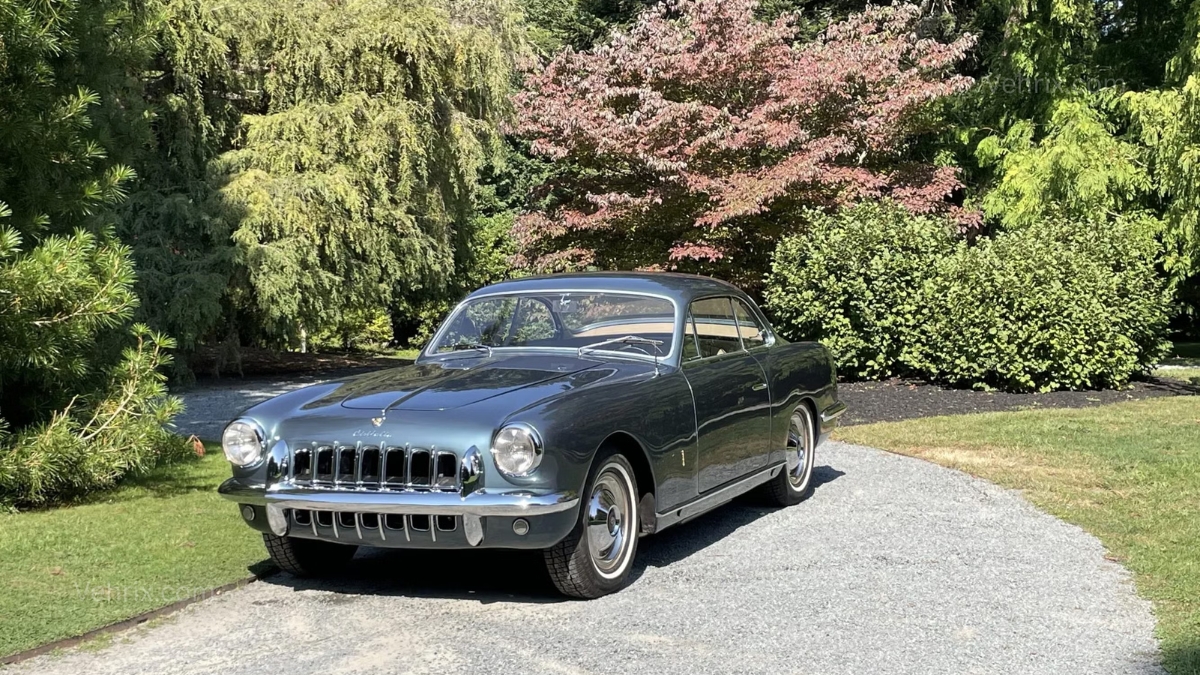
This 1953 Cisitalia Concept is one of those cars that immediately catches attention because it looks like it stepped out of an alternate timeline. On one side, it carries the elegance and coachbuilt style of Italian design; on the other, it hides solid American V8 power underneath, pointing straight at what could have been Ford’s first true sports or grand touring car.
Many enthusiasts are familiar with Ford for its iconic models, such as the Thunderbird, Mustang, and GT40. Still, the story of the 1953 Cisitalia concept car shows that the idea of a stylish, performance-oriented Ford with a European flavour was alive even earlier. Understanding this car means looking not only at its specs, but also at the business decisions, design culture, and experimental spirit of the early 1950s.
Background of Cisitalia and Ford’s Ambitions
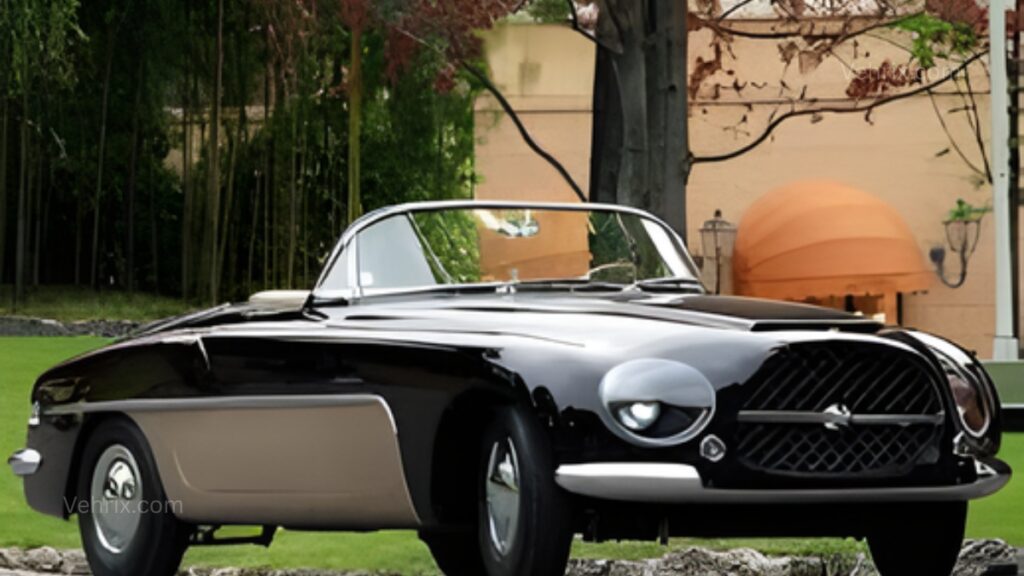
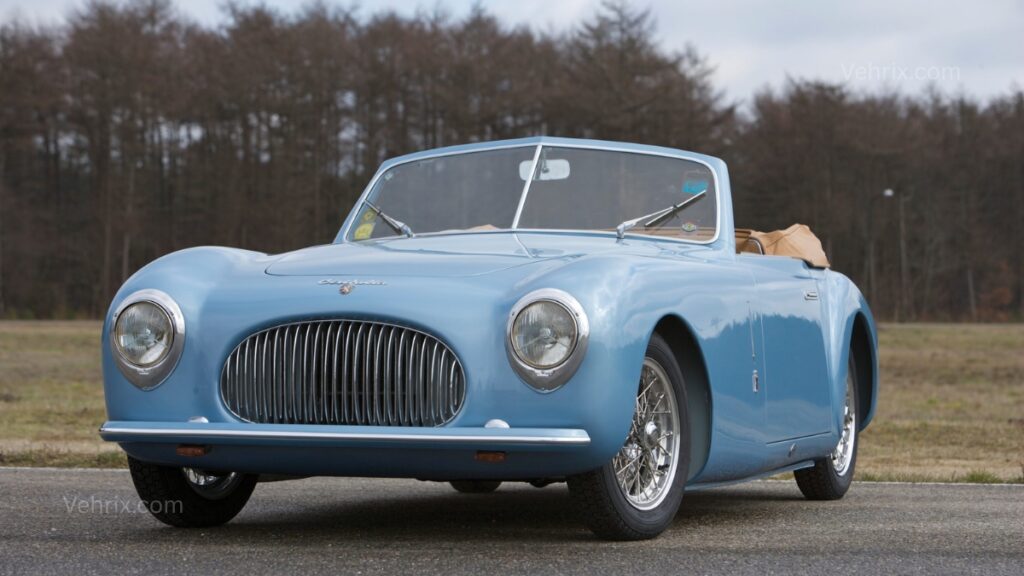
Cisitalia was a small Italian manufacturer that gained respect in the late 1940s and early 1950s for building light, elegant sports cars and racing machines. The company worked closely with talented designers and engineers, and some of its creations became design references for future generations, even if the brand itself remained relatively niche outside enthusiast circles.
Ford, meanwhile, was one of the giants of the American automobile industry, best known at the time for practical, mass‑market cars. However, leadership within Ford understood that style and performance were becoming increasingly important to buyers, and there was interest in exploring a more emotional and aspirational model that could change how people perceived the brand. This 1953 Cisitalia concept emerged from that window of curiosity and ambition.
Why Ford Looked Toward Italy
During the early 1950s, Italy had a reputation for producing some of the world’s most attractive sports and grand touring cars, even if they were built in smaller numbers. Italian designers were known for flowing lines, balanced proportions, and bold ideas that contrasted sharply with the heavier, chrome‑rich look of many American models.
For a company like Ford, partnering with a firm such as Cisitalia offered a shortcut into that world of style without starting from zero. By testing a 1953 Cisitalia concept car that combined Italian bodywork with familiar American power, Ford could judge whether a European‑influenced sports car made sense for its future lineup.
Design and Styling of This 1953 Cisitalia Concept
The design of the 1953 Cisitalia Concept is a significant reason why it continues to attract attention at auctions and concours events today. The car features classic grand tourer proportions, characterised by a long hood, a compact cabin positioned slightly rearward, and a short, tidy rear deck. This gives the 1953 Cisitalia concept car a dynamic stance even at rest, suggesting both speed and elegance.
The roofline flows gently into the rear fenders in a smooth arc, which softens the overall shape and makes the car look cohesive from every angle. Instead of heavy chrome bars and exaggerated fins, the body relies on subtle curves and simple, rounded surfaces, reflecting the Italian preference for clean, aerodynamic forms. For readers accustomed to seeing bulky early-1950s American coupes, this 1953 Cisitalia Concept feels surprisingly light and modern.
Visual Highlights That Stand Out
The side profile of this 1953 Cisitalia concept car is especially striking because it avoids visual clutter, allowing the basic form to do the work. The front and rear overhangs are well balanced, and the car appears to sit low to the ground, which adds to the impression of agility.
Details such as the grille, headlamps, and trim pieces follow the same restrained philosophy. Instead of shouting for attention, they support the overall design, allowing the proportions and surfaces to take centre stage. This is a key reason why the 1953 Cisitalia Concept still looks refined and timeless decades after it was built.
Interior Character and Grand Touring Focus
The cabin of this 1953 Cisitalia Concept was conceived more as a grand touring environment than as a stripped‑out race cockpit. The layout focuses on two occupants who want to travel at speed in comfort, with a driving position that feels sporty yet practical for daily use. The 1953 Cisitalia concept car blends the intimacy of a small coupe with the comfort expected from a long‑distance machine.
Instrumentation and dashboard design follow a simple, functional approach consistent with European sports cars of the era. Gauges are positioned clearly in front of the driver, and controls are arranged logically, making the interior feel purposeful rather than flashy. This approach ensures that the inside of this 1953 Cisitalia Concept matches the elegance of its exterior without sacrificing practicality.
Checkout: Lamborghini Temerario Took 320 Hours to Paint: The Art of Custom Supercars
Driver‑Focused Yet Comfortable Details
Seats in a car like this, the 1953 Cisitalia concept car, are typically shaped to provide support during spirited driving, while remaining comfortable for longer trips. The steering wheel, shifter, and pedal placement are designed to give the driver a natural and confident connection to the car.
Together, these elements support the grand touring role of this 1953 Cisitalia Concept, where the experience is not only about raw speed but also about the pleasure of covering distance in style. That blend of comfort and control is a big part of its enduring appeal.
American Power Under Italian Skin
Under the sleek body of this 1953 Cisitalia Concept beats the heart of an American V8, drawing from the Ford–Mercury family of engines. Rather than using a small displacement four‑cylinder typical of many European sports cars of the time, this 1953 Cisitalia concept car employs a flathead‑style V8, emphasising smooth torque and strong real‑world performance.
This powertrain choice highlights the main idea behind the project: combine the reliability and punch of American mechanicals with the sophistication of Italian design. The result is a car that, on paper, offers the best of both worlds—robust, familiar components for maintenance and a body that looks like a high‑end coachbuilt coupe.
Mechanical Highlights
Suspension components for the 1953 Cisitalia Concept would have been chosen to balance comfort and handling, fitting its role as a grand touring car. The car needed to manage the weight and torque of a V8 while still feeling agile enough to justify its sporty appearance.
Braking and chassis tuning deliver confident control without compromising the ride’s comfort. In this way, the 1953 Cisitalia concept car aligns more with a refined GT than a pure competition machine, making it suitable for both relaxed cruising and spirited driving.
Why This 1953 Cisitalia Concept Never Reached Mass Production
Given its attractive design and strong technical concept, it is natural to wonder why this 1953 Cisitalia Concept never became a production Ford sports car. The main barriers were cost and practicality. Building Italian coachbuilt bodies in large numbers would have required time‑consuming craftsmanship, making each unit far more expensive than a typical mass‑produced American coupe.
For a company like Ford, which built its success on high‑volume, efficient manufacturing, turning this 1953 Cisitalia concept car into a showroom model would have involved a risky pricing strategy. A high sticker price, combined with limited capacity from an Italian coachbuilder, made the project difficult to justify on a large scale. As a result, Ford eventually focused on in-house designs for its later sports and personal luxury vehicles.
Strategic “What If” Factors
Support and parts for an Italian‑bodied Ford would also have been challenging across a broad dealer network. Training technicians, managing body repair, and stocking unique components would add complexity to a system built around standardisation.
These realities meant that this 1953 Cisitalia Concept remained a fascinating experiment rather than a complete production program. The decision to step back from this direction opened the door for more conventional projects that better fit Ford’s manufacturing strengths.
Quick Specification Snapshot of This 1953 Cisitalia Concept
To make the key ideas easier to grasp at a glance, the table below summarises the core aspects of this 1953 Cisitalia concept car.
Core Concept Details
| Aspect | Details |
|---|---|
| Model | This 1953 Cisitalia Concept |
| Body style | Italian‑designed 2‑door grand tourer coupe |
| Engine layout | Ford/Mercury V8, flathead‑style configuration |
| Design origin | Italian coachbuilt body with American influence |
| Intended role | Stylish GT, potential Ford sports car candidate |
Each row highlights how the project aimed to blend two automotive cultures into a single, unique prototype. This overview enables readers to quickly understand why the car stands out from typical models of its time.
Italian vs American Identity in One Car
The 1953 Cisitalia Concept occupies a unique position between Italian sports cars and American grand touring machines. Rather than choosing one identity, it combines attributes from both sides: the visual lightness and proportion control of Italian design, with the relaxed, torque-rich character of an American V8.
In the broader history of sports and GT cars, the 1953 Cisitalia concept car can be seen as a bridge. It links the world of small‑scale European coachbuilders with the ambitions of a prominent Detroit manufacturer, hinting at future global collaborations that would become more common decades later.
Identity Comparison Table
| Feature | Italian Side (Cisitalia) | American Side (Ford/Mercury) |
|---|---|---|
| Design language | Smooth, flowing, coachbuilt styling | Strong stance, emphasis on road presence |
| Typical engine philosophy | Smaller, revvier powerplants | Larger V8s with strong low‑end torque |
| Driving character | Agile, precise, driver‑centric | Relaxed power, long‑distance comfort |
| This 1953 Cisitalia Concept | Italian body with American V8 blend | GT‑style comfort with sports image |
Explore More: BMW F 450 GS India Launch 2026 Price Specs Features
This comparison illustrates how the prototype attempted to unite two distinct design and engineering schools into one elegant package. That unique mix is a significant reason why collectors and historians continue to discuss it.
Collector Appeal and Rarity
Because it never entered full production, the 1953 Cisitalia Concept is extremely rare, far more so than mainstream classic sports cars. Instead of hundreds or thousands of units, enthusiasts refer to a single prototype or a minimal number of examples, making the 1953 Cisitalia concept car closer to a one‑off art object than a typical road car.
When it appears at high‑end auctions or prestigious concours events, this car attracts serious attention from collectors who understand its significance. They value not just its beauty, but also the story it carries about cross‑border collaboration and abandoned possibilities in automotive history.
Enthusiast Perspective and Ongoing Legacy
From an enthusiast’s point of view, this 1953 Cisitalia Concept is a lesson in how bold ideas can shape the culture of cars, even if they never reach showrooms. It proves that prototypes and design studies deserve as much attention as production icons, because they reveal what manufacturers were thinking and how far they were willing to push the boundaries of experimentation.
Today, learning about the 1953 Cisitalia concept car provides readers with a deeper understanding of how sports and GT models evolved on both sides of the Atlantic. It stands as a reminder that the automotive world is full of near‑miss projects and forgotten prototypes that still influence design discussions and collector tastes, long after the original business plans have faded.